Phytochemical Diversity – Color-Based Eating Guide
Introduction
In recent years, the growing field of **nutritional science** has spurred a renewed interest in how **natural compounds** in foods impact **health**. Among these compounds, **phytochemicals**—**chemicals naturally produced by plants**—stand out for their myriad **health benefits**. These substances are often responsible for the vibrant colors of **fruits and vegetables**, offering not only aesthetic appeal but also functional benefits. The concept of **”eating the rainbow”** is more than just an enticing visual; it’s a scientifically backed strategy to ensure a diverse intake of beneficial phytochemicals.
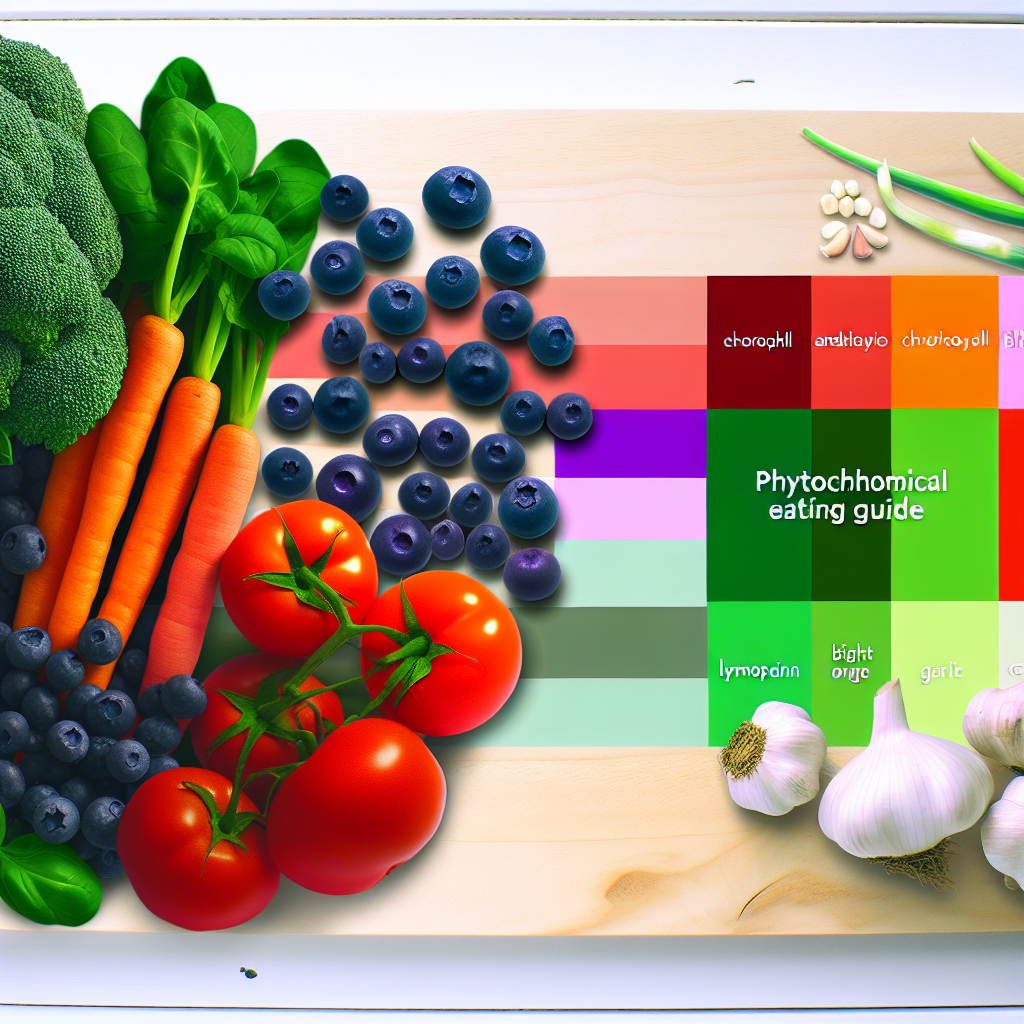
Phytochemicals such as **flavonoids**, **carotenoids**, and **glucosinolates** are akin to nature’s medicine cabinet. These compounds have been studied for their roles in **disease prevention**, particularly in reducing the risk of chronic illnesses like heart disease, cancer, and diabetes. The spectrum of colors found in natural foods reflects this diversity: reds, in foods like **tomatoes** and **strawberries**, are rich in **lycopene** and **anthocyanins** with strong **antioxidant properties**. Orange and yellow foods, such as **carrots** and **bell peppers**, typically contain carotenoids, known for supporting **vision** and **immune function**. Greens, including **kale** and **spinach**, are packed with **chlorophyll** and **isothiocyanates**, which have been noted for their detoxifying qualities. Lastly, the blue and purple foods, such as **blueberries** and **eggplants**, contain anthocyanins, key players in promoting brain health.
The beauty of a color-based eating approach is its simplicity and inclusivity, enabling easy personalization based on individual dietary needs and preferences. Consuming a variety of colors can help optimize the diet by ensuring no single nutrient is neglected. This approach is not only beneficial for **physical health**, but it can also enhance **mental wellbeing** by encouraging mindful eating and introducing a rich variety of textures and flavors to meals. As consumers become increasingly conscious of the complex interplay between diet and health, the color-based eating guide serves as a practical and accessible strategy for those seeking **natural cures** and holistic health benefits through diet.
Features
A growing body of professional and medical research underscores the utility of phytochemicals in clinical nutrition and holistic health. A study published in the [Journal of Nutrition](https://academic.oup.com/jn/article/143/10/1643/4571173) highlights the role of flavonoids, a class of phytochemicals found in high concentrations in red, blue, and purple foods, in supporting **cardiovascular health** by improving **endothelial function** and reducing **inflammation**. Additionally, the [American Institute for Cancer Research](https://www.aicr.org/cancer-prevention/food-facts/) emphasizes the cancer-fighting properties of antioxidants like carotenoids, found abundantly in orange and yellow produce, which help neutralize free radicals and protect cellular DNA from damage.
Furthermore, specific studies focus on the health impacts of isothiocyanates, phytochemicals in cruciferous vegetables like **broccoli** and **Brussels sprouts**. Research indicates these substances activate cancer-protective enzymes that help detoxify carcinogens in the liver ([National Cancer Institute](https://www.cancer.gov/about-cancer/causes-prevention/risk/diet/cruciferous-vegetables-fact-sheet)). This supports the broader concept of consuming a plant-based, diverse-color diet as a means to circulate disease-fighting compounds throughout the body.
Moreover, a study from the [European Journal of Clinical Nutrition](https://www.nature.com/articles/ejcn2010222) points out the **neuroprotective benefits** of anthocyanins found in blue and purple foods. Their role in **cognitive function** helps delay the onset of **neurodegenerative diseases** by reducing **oxidative stress** and improving **neuronal communication**. This illustrates the profound effect that incorporating colored foods into the daily diet can have on **mental health** and **brain longevity**.
These scientific findings collectively demonstrate the importance of diversity in our daily intake of fruits and vegetables, stressing not just the need to meet nutritional guidelines, but also to utilize these foods as **preventive healthcare measures**. In embracing color-based eating, individuals can seamlessly integrate an innovative dietary strategy that aligns with holistic and **homeopathic treatment philosophies**.
Conclusion
Incorporating a color-based eating guide into daily life offers a multifaceted approach to optimizing health through natural, plant-based foods. Not only does it emphasize the aesthetic and culinary diversity of meals, but it’s firmly rooted in scientific evidence linking phytochemicals with substantial health benefits. This approach is a promising strategy for those keen on exploring natural cures and preventive healthcare. As the body thrives on nutrient diversity, the introduction of a rainbow of colors provides a simple and effective means to harness the power of phytochemicals in daily routines. By embracing this guide, individuals can enjoy both the immediate joy of flavorful meals and the long-term benefits of robust health. Embracing the colors of nature is not only a delightful journey for the palate but a substantial investment in one’s future well-being.
Concise Summary
The **Phytochemical Diversity – Color-Based Eating Guide** promotes health through the consumption of diverse, colorful fruits and vegetables, rich in phytochemicals like flavonoids, carotenoids, and glucosinolates. These compounds, responsible for the vibrant hues of food, offer significant health benefits such as reducing the risk of chronic diseases and supporting mental wellbeing. Backed by extensive scientific research, this guide encourages mindful eating and dietary variety, providing a simple, inclusive strategy to harness the preventive, holistic power of natural foods for physical and mental health enhancement.

Dominic E. is a passionate filmmaker navigating the exciting intersection of art and science. By day, he delves into the complexities of the human body as a full-time medical writer, meticulously translating intricate medical concepts into accessible and engaging narratives. By night, he explores the boundless realm of cinematic storytelling, crafting narratives that evoke emotion and challenge perspectives.
Film Student and Full-time Medical Writer for ContentVendor.com