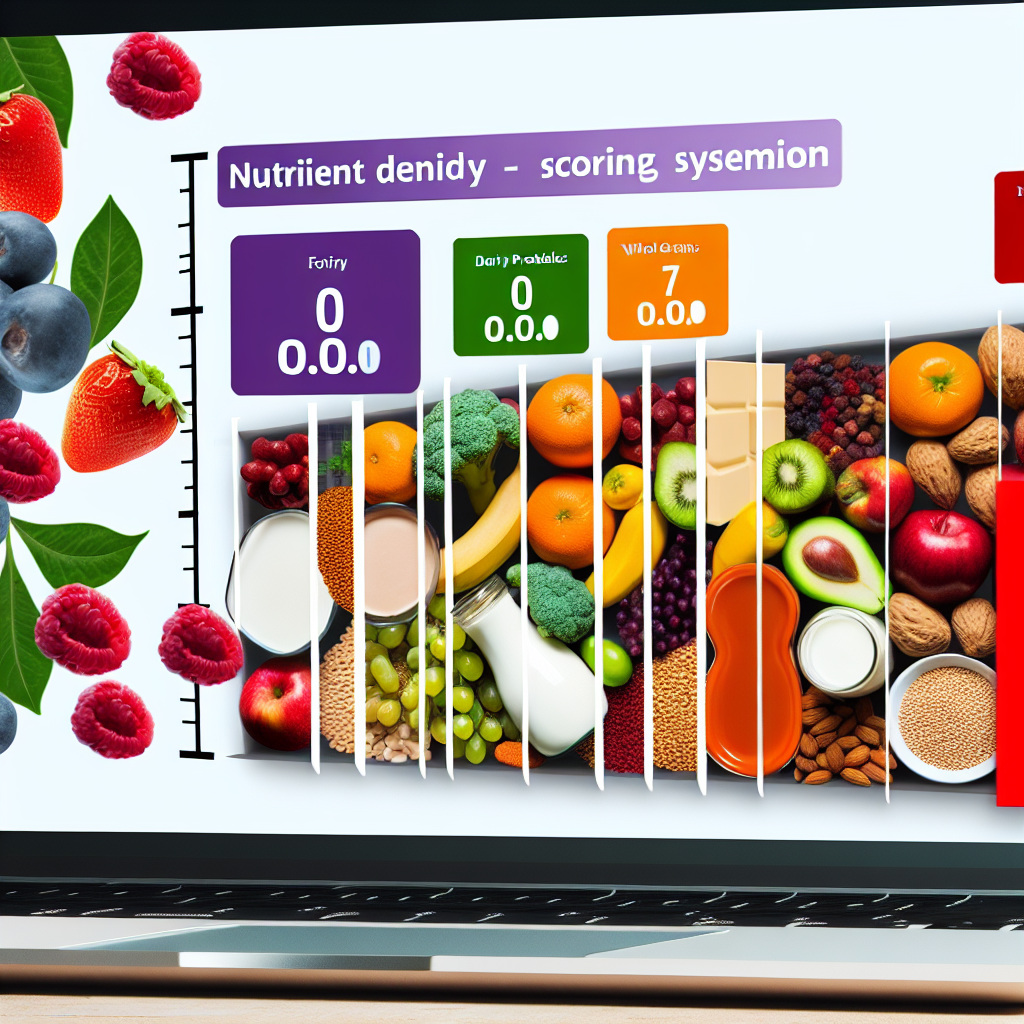
Nutrient Density – Scoring System Explanation
Introduction
In an era where chronic diseases such as obesity, diabetes, and cardiovascular disease continue to dominate public health concerns, the importance of eating nutrient-dense foods has never been clearer. Nutrient density refers to the concentration of essential nutrients per calorie in a given food. But how can consumers accurately judge which foods deliver the most nutrition for the calorie cost? This is where nutrient density scoring systems come into play.
Nutrient density scoring systems offer an objective method for evaluating the nutritional quality of foods. These systems rate foods based on the levels of vitamins, minerals, antioxidants, phytonutrients, and other bioavailable compounds they contain in relation to their calorie content. Foods with higher scores are considered more nutrient-dense, offering excellent value in terms of improving health with each bite. This is especially critical for individuals following natural cures, homeopathic therapies, and herbal treatments, as nutrient-rich diets support the body’s natural healing mechanisms—a core principle in holistic health.
By integrating both modern clinical research and ancient dietary wisdom, these scoring systems enable users to build a diet aligned with functional nutrition—where food not only fuels the body but also contributes directly to healing and wellness. For those managing inflammation through a plant-based diet, boosting immunity with culinary herbs, or seeking recovery support through homeopathy, nutrient-dense foods lay a vital foundation for long-term success and vitality.
For instance, leafy greens such as kale and watercress, which score exceptionally high on multiple nutrient scales, contain compounds that help combat oxidative stress, reduce inflammation, and support detoxification. Similarly, herbs like parsley, cilantro, and basil are rich in antioxidants, natural antiseptics, and immune-supporting compounds that not only flavor meals but also support systemic functions.
In summary, an understanding of nutrient density and its related scoring mechanisms is key for anyone interested in adopting a disease-resistant, energy-enhancing, and inflammation-lowering diet, especially when aligned with natural and holistic wellness practices.
Features: Professional and Medical Studies
Many clinical and academic initiatives have validated the significance of nutrient density and helped shape robust scoring systems to guide food choices.
One of the most well-known systems is the ANDI (Aggregate Nutrient Density Index), developed by Dr. Joel Fuhrman. This scoring method assigns foods a value ranging from 1 to 1000 based on their concentration of micronutrients relative to caloric content. Foods like collard greens, Swiss chard, and mustard greens often receive top scores, highlighting their exceptional health benefits. Dr. Fuhrman advocates nutrient-dense diets as preventative and even rehabilitative tools against obesity, heart disease, and type 2 diabetes ([source](https://www.drfuhrman.com)).
The official Dietary Guidelines for Americans 2020–2025 also stress the importance of nutrient density, recommending that individuals choose foods packed with vitamins and minerals across all food groups, while minimizing intake of ultra-processed, calorie-dense items ([source](https://www.dietaryguidelines.gov)).
Additionally, a 2014 study published in the journal Nutrients evaluated various dietary patterns and found that nutrient-rich diets are linked with lower all-cause mortality and dramatically reduced chronic disease incidence ([source](https://www.mdpi.com/2072-6643/6/6/2240)).
Another innovative scoring system is the Food Compass, developed by Tufts University. Unlike older systems, Food Compass scores items based on more detailed domains such as nutrient ratios, food-based bioactives, and links to chronic diseases. It even accounts for negative factors like added sugars and refined grains, offering a much broader lens for evaluation ([source](https://friedman.school.tufts.edu/research/food-compass)).
Nutrition professionals, including integrative medicine doctors and clinical dietitians, are increasingly using nutrient density scores in treatment planning. By recommending foods that score highly across these systems, they help patients undergo faster detoxification, improve immune resilience, and restore hormonal balance. High-scoring foods complement holistic and natural treatments beautifully by supporting cell repair, enzymatic activity, and organ functions without introducing toxic or inflammatory burdens.
The scientific and medical consensus is clear: prioritizing nutrient-dense foods maximizes the impact of any health intervention—whether it’s nutritional, herbal, or homeopathic.
Conclusion
Understanding the value of nutrient density and the varied scoring systems that assess it allows individuals to transform everyday food choices into powerful strategies for healing, energy, and long-term wellness. For those engaged in natural health practices such as homeopathy, herbal medicine, or functional nutrition, high-density whole foods offer vital components for bodily renewal and disease prevention.
These scoring systems are much more than reference tools; they are roadmaps to better nutrition and better living. Whether your goal is to reduce systemic inflammation, enhance immune function, support liver detoxification, or mitigate the damage inflicted by a highly processed diet, including high-scoring foods like leafy greens, berries, and high-antioxidant herbs constitutes a fundamental pillar of health.
While modern pharmaceuticals address symptoms, truly dense foods serve as the biological and energetic raw materials that support recovery and enhance vitality. The ancient nutrition axiom, “Let food be thy medicine,” continues to ring true when backed by tools like the ANDI score, Food Compass, and findings from peer-reviewed metabolic and nutritional science.
As dietary trends continue to evolve and health fads ebb and flow, nutrient density offers a grounded and scientifically endorsed way forward. By adopting a nutrient-rich approach, individuals align more closely with nature’s blueprint for healing—from the inside out.
Concise Summary
Nutrient density scoring systems, such as the ANDI and Food Compass, offer a science-based approach to identifying the most nutritious foods per calorie. These scores guide individuals—especially those pursuing natural cures or holistic health—in building diets that reduce inflammation, support detox, and improve immune function. With a growing body of medical and clinical research endorsing the power of high-density foods, these scoring systems allow for informed, impactful food choices that contribute meaningfully to disease prevention and natural healing.
References
1. Dr. Fuhrman’s Aggregate Nutrient Density Index (ANDI) Score
2. Dietary Guidelines for Americans 2020–2025
3. A Nutrient Density Standard for Vegetables and Fruits – MDPI
4. Tufts University Food Compass Scoring System
5. American Journal of Clinical Nutrition
For more nutritional tips and holistic dietary strategies, visit foodade.com.

Dominic E. is a passionate filmmaker navigating the exciting intersection of art and science. By day, he delves into the complexities of the human body as a full-time medical writer, meticulously translating intricate medical concepts into accessible and engaging narratives. By night, he explores the boundless realm of cinematic storytelling, crafting narratives that evoke emotion and challenge perspectives.
Film Student and Full-time Medical Writer for ContentVendor.com