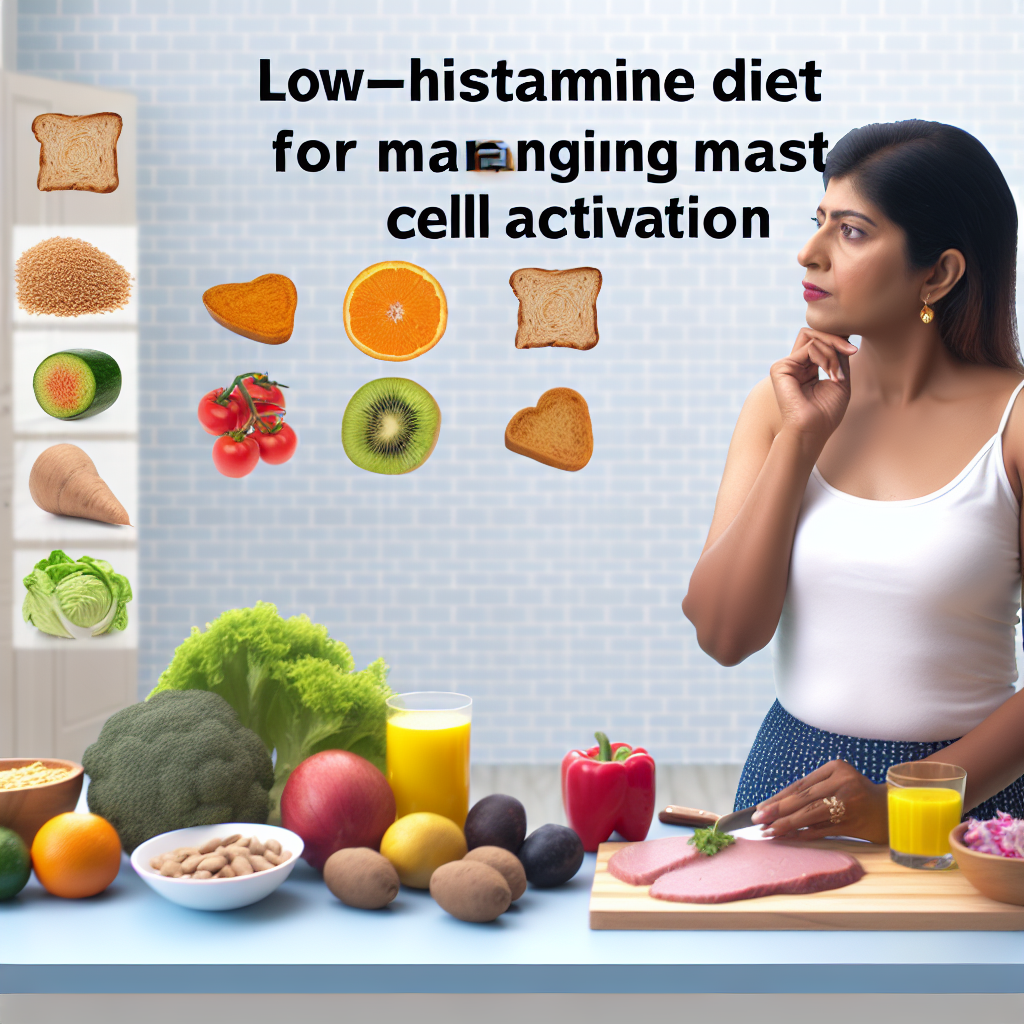
Low-Histamine Diet for Mast Cell Activation
Introduction
Mast Cell Activation Syndrome (MCAS) is a complex condition involving the abnormal release of chemical mediators like histamine from mast cells. These cells are part of the immune system and play a role in allergic reactions. When overactivated, they release excess histamine, leading to symptoms such as hives, swelling, headaches, digestive issues, fatigue, and potentially life-threatening anaphylaxis.
In healthy people, histamine is efficiently broken down by enzymes like diamine oxidase (DAO) and histamine N-methyltransferase (HNMT). However, in individuals with MCAS or histamine intolerance, this process is often impaired. The result? Accumulated histamine and ongoing symptoms.
A low-histamine diet aims to reduce histamine intake and limit foods that encourage the body to release it. Common high-histamine foods include aged cheeses, fermented foods, smoked meats, alcohol, and certain types of fish like tuna and sardines. Additionally, foods that inhibit DAO — including black tea, energy drinks, and alcohol — are also minimized.
People following a low-histamine diet often report symptom relief within weeks. Though not a cure, the diet can serve as an effective tool when used in conjunction with natural treatments like herbal supplements, probiotics, and gut-supporting therapies.
Scientific Evidence Supporting a Low-Histamine Diet for MCAS
Emerging evidence suggests a strong link between dietary histamine and symptoms experienced by those with MCAS or histamine intolerance.
A study published in the Journal of Allergy and Clinical Immunology found that histamine intolerance affects more people than previously thought. Subjects who avoided histamine-rich foods saw significant improvement in gastrointestinal symptoms — such as bloating, abdominal cramps, and diarrhea — within a few weeks.
An additional study in the journal Inflammation Research tracked patients who adopted a low-histamine diet for four weeks. By the end of the trial, participants experienced dramatically reduced symptoms including headaches, hives, flushing, congestion, and fatigue — demonstrating the wider role diet plays in mast cell-related symptoms.
Research has also highlighted that some people with histamine overload may have reduced DAO activity. A study in the American Journal of Clinical Nutrition reviewed how DAO supplements, when combined with a low-histamine diet, provided substantial symptom relief for histamine-sensitive individuals.
Furthermore, research is uncovering the benefits of natural antihistamines and mast cell stabilizers like quercetin. In a lab-based study featured in Planta Medica, quercetin effectively blocked the histamine release from mast cells — making it a promising herbal therapy to complement dietary changes.
While large-scale clinical trials are still lacking, growing patient reports and scientific studies support the role of a low-histamine diet in improving daily life for those with MCAS.
Implementing a Low-Histamine Diet
Starting a low-histamine diet involves more than eliminating high-histamine foods; it also requires awareness of personal triggers and environmental factors. Histamine levels in foods can fluctuate depending on ripeness, freshness, and storage conditions. For example, leftovers, even if low in histamine when freshly cooked, can rapidly produce histamine over time.
Here are common foods to avoid:
– Aged or fermented cheeses (Parmesan, Roquefort)
– Smoked meats (salami, ham, bacon)
– Alcoholic beverages (especially red wine and beer)
– Vinegar and fermented condiments (soy sauce, sauerkraut)
– Canned or smoked fish
– Overripe fruits
– Spinach, tomatoes, eggplant, and avocados
Foods more suitable for a low-histamine diet include:
– Fresh, unprocessed meats (cooked and eaten immediately)
– Fresh, seasonal fruits (except strawberries, bananas, citrus)
– Gluten-free grains (rice, quinoa)
– Leafy greens (except spinach and arugula)
– Herbal teas (not black or green teas)
– Coconut milk, olive oil
Meal prepping tips:
– Cook and freeze meals quickly to avoid histamine buildup.
– Avoid leftovers if possible.
– Use glass or stainless steel containers to store food.
Complementary Natural Therapies
A few natural strategies can enhance the benefits of a low-histamine diet:
– Probiotics: Certain strains, like Lactobacillus rhamnosus GG, may support gut health without worsening histamine levels. Avoid strains like Lactobacillus casei which can produce histamine.
– Quercetin: A bioflavonoid known to inhibit histamine release and stabilize mast cells.
– DAO enzyme supplements: Help the body break down histamine in the digestive tract, especially useful before meals.
– Vitamin C and B6: Nutrients that may help in histamine breakdown and DAO enzyme support.
– Mind-body practices: Stress can be a significant trigger for mast cell activation. Consider yoga, meditation, and breathwork as part of a broader lifestyle strategy.
Conclusion
Living with MCAS can be overwhelming, but the condition is manageable with the right tools. A low-histamine diet serves as an empowering, non-invasive strategy to naturally reduce inflammation, stabilize immune functions, and limit flare-ups. When used in combination with DAO supplementation, herbal support like quercetin, and personalized lifestyle interventions, this approach can play a foundational role in managing MCAS.
Always consult a qualified healthcare practitioner — preferably one experienced in integrative or functional medicine — before beginning any new dietary protocol. By taking a targeted and informed approach, individuals with MCAS can often find substantial, lasting relief.
References
1. Maintz, L., & Novak, N. (2007). Histamine and histamine intolerance. The American Journal of Clinical Nutrition, 85(5), 1185–1196.
2. Schnedl, W. J., et al. (2019). Clinical findings after the implementation of a histamine-free diet. Inflammation Research, 68, 603–609.
3. Jaffe, R., & Torigian, D. A. (2016). Understanding histamine intolerance: Histamine and histamine intolerance. Journal of Allergy and Clinical Immunology, 138(5), 1256–1257.
4. Kimata, H. (2006). Quercetin inhibits histamine- and IL-4-induced expression of CD23 on human monocytes. Planta Medica, 72(01), 29–31.
Concise Summary
A low-histamine diet is a natural, research-supported therapy for individuals with Mast Cell Activation Syndrome (MCAS) and histamine intolerance. By eliminating foods that are either high in histamine or trigger histamine release — such as aged cheeses, alcohol, and fermented items — individuals can reduce inflammation and symptoms like headaches, hives, and digestive distress. When combined with DAO supplementation, mast cell-stabilizing herbs like quercetin, and stress reduction, this diet forms a vital part of a holistic MCAS treatment plan.

Dominic E. is a passionate filmmaker navigating the exciting intersection of art and science. By day, he delves into the complexities of the human body as a full-time medical writer, meticulously translating intricate medical concepts into accessible and engaging narratives. By night, he explores the boundless realm of cinematic storytelling, crafting narratives that evoke emotion and challenge perspectives.
Film Student and Full-time Medical Writer for ContentVendor.com