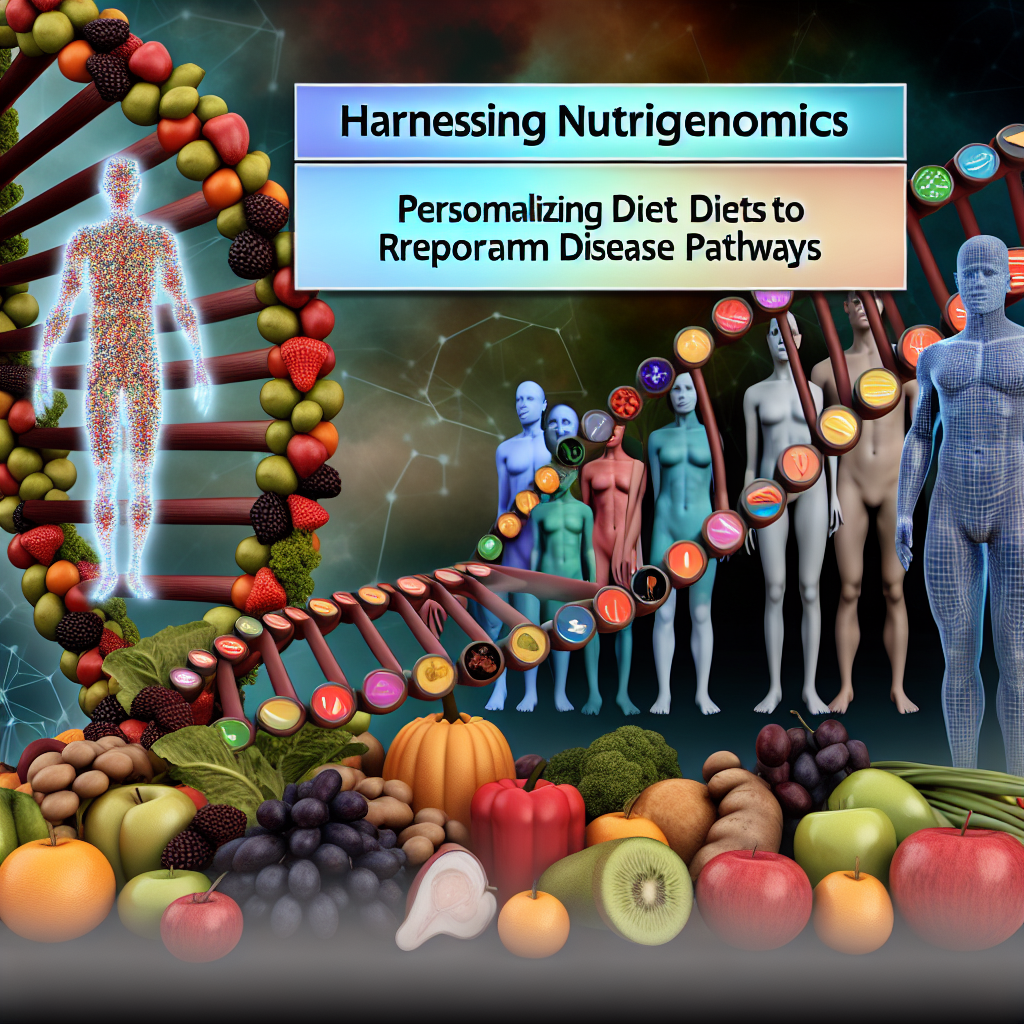
Harnessing Nutrigenomics: Personalizing Diets to Reprogram Disease Pathways
In today’s fast-paced world, the intersection of **genomics** and **nutrition**, termed **nutrigenomics**, is steadily redefining how we view **food** and its profound impact on **health**. Nutrigenomics is the scientific study of how the food we consume interacts with our **genes** to influence our health. This emerging field brings forth a novel understanding of how individual **dietary choices** can reprogram disease pathways, potentially averting conditions such as **obesity**, **diabetes**, **cardiovascular diseases**, and even some **cancers**.
At the heart of nutrigenomics is the concept that while our **genetic makeup** is an unchangeable blueprint, how our **genes express** themselves can be influenced by our diets. This biological dialogue between food and genes implies that by personalizing dietary decisions, individuals can optimize their health by mitigating genetic predispositions to certain diseases.
Consider, for example, how specific nutrients can activate or silence gene expressions. **Omega-3 fatty acids**, found in fish oil, are known to play a role in down-regulating inflammatory processes at the genetic level, which can be particularly beneficial for managing chronic inflammatory diseases. Similarly, **flavonoids**, abundant in fruits and vegetables, have been linked to the upregulation of genes that offer protective benefits against cardiovascular diseases.
What sets nutrigenomics apart from mere diet advice is its reliance on personalized data. Advances in technology now allow for **genetic testing** that provides insights into how an individual’s body might respond to different nutrients. With this information, dietitians and healthcare providers can craft tailored nutritional plans that cater to the unique genetic profile of each person. This approach not only enhances the effectiveness of dietary interventions but also empowers individuals with the knowledge to make informed choices for their health.
The potential of nutrigenomics extends beyond the individual to public health on a larger scale. By understanding **genetic susceptibilities** within populations, we can design community-specific dietary recommendations to prevent the onset of chronic diseases, ultimately reducing healthcare costs and improving quality of life. As research unfolds, nutrigenomics may become a cornerstone in the fight against global health challenges.
Features
Evidence continues to mount regarding the efficacy of nutrigenomics in personalizing diets to influence disease pathways. A significant study published in “Nature” highlighted how **gene-nutrient interactions** impact metabolic pathways. Researchers found that personalized diets based on genetic data significantly improved biomarkers related to metabolic disorders compared to standard diets.
Another key study in “The American Journal of Clinical Nutrition” explored how individual responses to carbohydrates vary significantly depending on genetic factors. Researchers developed a predictive algorithm using genetic data to foresee blood glucose responses, helping individuals with a predisposition toward **diabetes** choose more suitable carbohydrate sources. This highlighted the potential for nutrigenomics to tailor dietary interventions that are not only preventive but also therapeutic.
Furthermore, the “Journal of Nutrigenetics and Nutrigenomics” dedicates its pages to exploring how specific gene variants influence an individual’s response to nutrients such as **vitamins**, **lipids**, and **antioxidants**. These studies collectively emphasize the potential of nutrigenomics in guiding precise dietary recommendations, paving the way for personalized nutrition as an effective tool in disease management and prevention.
Moreover, ongoing clinical trials continue to assess the impacts of personalized dietary plans on various health outcomes. These studies underscore the transformative potential of integrating genetic data with nutrition science to redefine traditional dietary guidelines into practical, actionable strategies tailored to individual needs.
Conclusion
Nutrigenomics holds the promise of a paradigm shift in how we approach health and disease prevention. By embracing the insights gleaned from genetic data, we can develop personalized dietary strategies that empower individuals to take charge of their health and mitigate genetic risks. As research continues to advance, the integration of nutrition and genomics will likely become a mainstay in medical practice, promoting sustainable health outcomes on both individual and population levels. For those interested in exploring this innovative approach, consulting with a healthcare provider or a registered dietitian trained in nutrigenomics is a recommended first step towards creating a personalized dietary roadmap designed to optimize health.
With nutrigenomics on the horizon, the future of nutrition science is not only personalized but precise, marking a new era in the way we understand and harness the power of food to maintain and restore our well-being. As we delve deeper into this cross-disciplinary field, the potential to reprogram disease pathways through diet promises great advancements in preventive health care.
Concise Summary:
Nutrigenomics explores the interaction between diet and genes, influencing health and disease outcomes. This field emphasizes personalized nutrition, using genetic data to tailor diets that prevent diseases like obesity, diabetes, and cardiovascular disorders. Significant studies underscore nutigenomics’ benefits, revealing how genetic-specific diets improve metabolic biomarkers and glucose control. Future advancements promise refined dietary guidelines that mitigate genetic risks, with personalized nutrition emerging as a crucial component in disease prevention and health management globally. Embracing nutrigenomics means creating individual dietary strategies that empower personal and public health outcomes sustainably.

Dominic E. is a passionate filmmaker navigating the exciting intersection of art and science. By day, he delves into the complexities of the human body as a full-time medical writer, meticulously translating intricate medical concepts into accessible and engaging narratives. By night, he explores the boundless realm of cinematic storytelling, crafting narratives that evoke emotion and challenge perspectives.
Film Student and Full-time Medical Writer for ContentVendor.com