Cooking Methods: Nutrient Preservation Rules
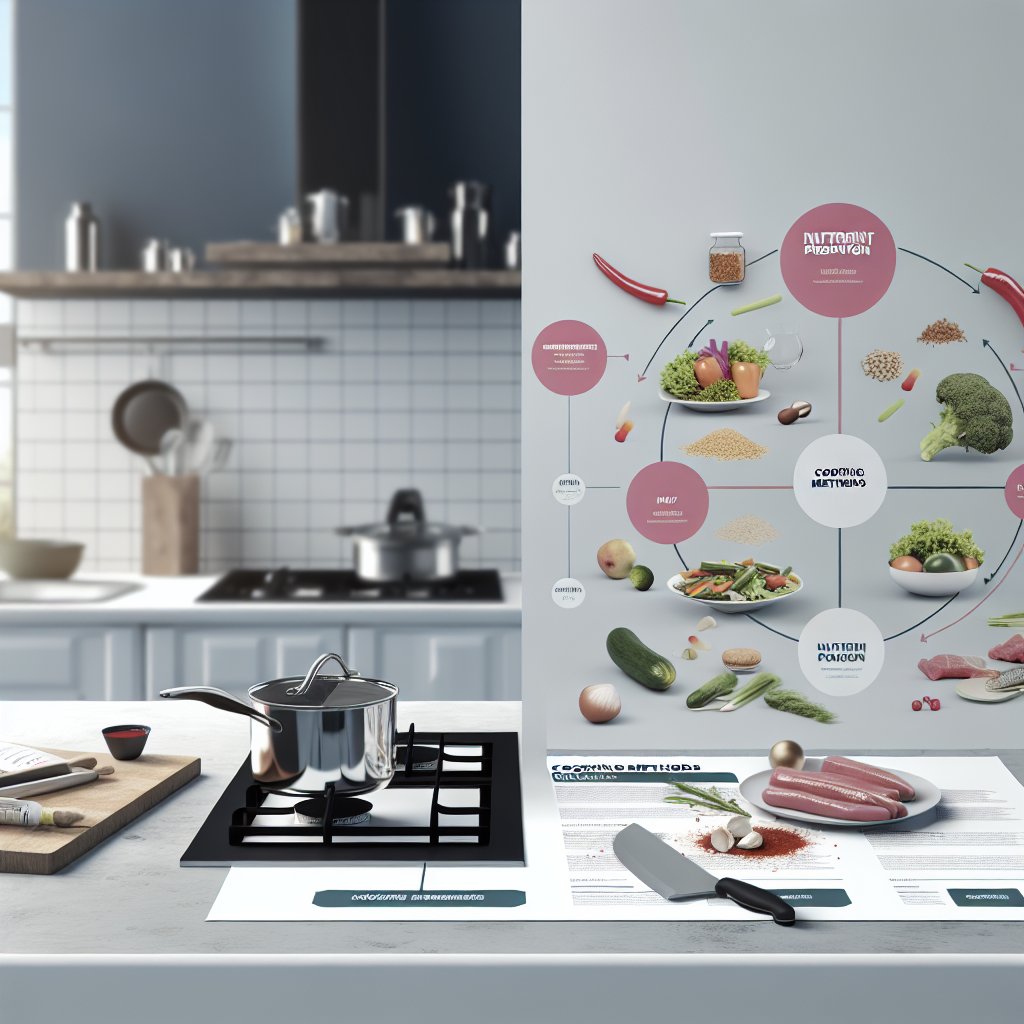
In today’s health-conscious world, there’s increasing interest in not only what we eat but also how we prepare our food. **Cooking methods** significantly impact the **nutrient retention** of foods. While fresh produce is often considered the gold standard for nutrition, the way we cook these foods can either preserve or deplete their potential health benefits. For anyone interested in maximizing the health benefits derived from foods, understanding the intersection of cooking techniques and nutrient preservation is essential.
Cooking, an ancient practice enabling humans to develop flavors and textures that are both palatable and safe, has evolved significantly. Yet, what remains key to its process is how it affects the nutritional integrity of ingredients. **Nutrient preservation** isn’t just about maintaining mineral and vitamin content; it also involves retaining **antioxidants** and other **bioactive compounds** that promote health. These factors are crucial for those seeking **natural cures**, homeopathic, and herbal treatments as they rely on the nutritional quality of food as complementary support for health management.
Common nutrient-sensitive vitamins, like **Vitamin C** and certain **B vitamins**, are **water-soluble** and easily leach out during certain cooking processes, especially boiling. Minerals such as **potassium** and **calcium** are also susceptible to loss, often dissolving into water or breaking down when exposed to excessive heat. Additionally, **phytonutrients**, which are paramount for their **antioxidant properties**, also degrade when exposed to high temperatures or prolonged cooking times. It is thus pivotal not only to select the right foods but also to apply the appropriate cooking methodologies to maintain their health potentials.
A carefully chosen cooking method doesn’t just preserve nutrients; it also enhances certain food compounds, making them more bioavailable. For instance, light steaming of vegetables can help aid greater absorption of specific nutrients like **beta-carotene** and **lycopene**. Similarly, techniques like sautéing or stir-frying with a touch of healthy oil can aid in nutrient preservation and improve absorption by providing the required fats for fat-soluble vitamins. As consumers become more educated about **holistic health** and natural treatments, such insights become indispensable. The focus shifts to more than just the ingredients; it’s about conscious preparation that supports wellbeing.
Features: Scientific Insights on Nutrient Retention
**Scientific studies** have critically analyzed how different cooking methods impact nutritional content. A comprehensive review published in the **[Journal of Food Science](https://onlinelibrary.wiley.com/journal/jfds)** highlighted that steaming is one of the most effective methods for preserving antioxidants such as **flavonoids** and **carotenoids** in vegetables. This method uses less water and mild heat, which minimizes nutrient leaching and degradation across food items.
Furthermore, the **[Journal of Nutritional Science and Vitaminology](https://pubmed.ncbi.nlm.nih.gov/journal-j-nutritional-sci-and-vit)** examined the effects of different cooking methods on the oxidation of essential nutrients, indicating that boiling causes the greatest loss of vitamins. The research underscores that up to 50% of **vitamin C** could be lost through boiling. Conversely, shorter cooking times like those found in **microwaving** use minimal water, resulting in better nutrient retention.
**Roasting** and **grilling**, although increasing the palatability of certain foods, have shown a mixed balance of nutrient retention through **Maillard reactions**. While they can maintain mineral content, high temperatures may destroy heat-sensitive vitamins. A study from the **[American Journal of Lifestyle Medicine](https://journals.sagepub.com/toc/jlf/current)** points out the importance of balancing temperature and time to prevent nutrient degradation during these processes.
Moreover, contemporary cooking devices like **air fryers** and **pressure cookers** are gaining popularity for their efficiency in cooking while retaining nutrients. Studies suggest that **pressure cooking** can retain nutrients effectively because of the shorter cooking times involved. According to research published in the **[Journal of Nutrition and Food Sciences](https://www.longdom.org/nutrition-food-sciences.html)**, pressure cooking conserves more **folate** in comparison to traditional boiling methods.
Collectively, these scientific insights reveal the nuanced impact various cooking techniques have on nutritional integrity, supporting a growing trend towards more mindful food preparation that complements dietary treatments often employed in natural and homeopathic medicine.
Conclusion
The preservation of nutrients during cooking is crucial for any individual striving for optimal health, particularly those interested in **natural cures** and dietary treatments. By understanding the science of nutrient retention, we can make informed decisions that enhance the nutritional profiles of our meals. Methods such as **steaming**, **microwaving**, and **pressure cooking** provide the best outcomes for nutrient retention, offering a way to enjoy healthful, delicious meals that support overall well-being. As lifestyle choices continue to converge towards more holistic approaches, preserving food’s nutritional quality through mindful methods becomes an empowering strategy in any health-focused diet.
References
1. **Journal of Food Science** – [Link to study on nutrient retention via cooking methods](https://onlinelibrary.wiley.com/journal/jfds)
2. **Journal of Nutritional Science and Vitaminology** – [Link to study on vitamin retention in vegetables](https://pubmed.ncbi.nlm.nih.gov/journal-j-nutritional-sci-and-vit)
3. **American Journal of Lifestyle Medicine** – [Link to study on effects of grilling and roasting](https://journals.sagepub.com/toc/jlf/current)
4. **Journal of Nutrition and Food Sciences** – [Link to study on pressure cooking and nutrient retention](https://www.longdom.org/nutrition-food-sciences.html)
By keeping these insights in mind, individuals can bring their health pursuits into the kitchen, ensuring that every meal is a step towards better nutrition and wellness.
Concise Summary:
Choosing the appropriate cooking methods is critical for preserving nutrients in foods, crucial for those focusing on holistic health and natural treatments. Scientific studies highlight the effectiveness of methods like steaming and pressure cooking in retaining antioxidants and vitamins. These methods, along with microwaving, minimize nutrient loss compared to others like boiling. Techniques like sautéing and grilling may help with palatability but can degrade heat-sensitive vitamins. Understanding these nuances empowers consumers to make informed dietary choices, optimizing the health benefits of the food they consume.

Dominic E. is a passionate filmmaker navigating the exciting intersection of art and science. By day, he delves into the complexities of the human body as a full-time medical writer, meticulously translating intricate medical concepts into accessible and engaging narratives. By night, he explores the boundless realm of cinematic storytelling, crafting narratives that evoke emotion and challenge perspectives.
Film Student and Full-time Medical Writer for ContentVendor.com