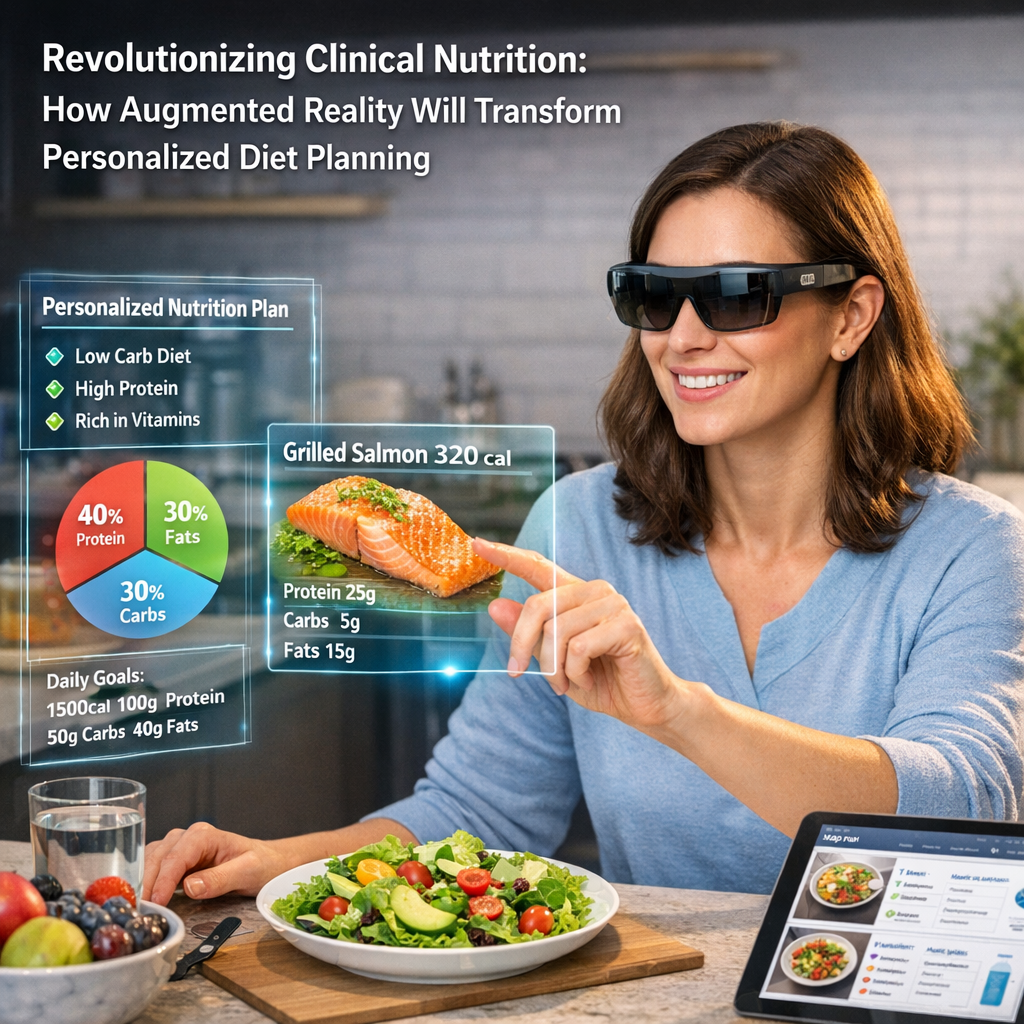
Revolutionizing Clinical Nutrition: How Augmented Reality Will Transform Personalized Diet Planning
Introduction
In the realm of healthcare and wellness, technological advancements are unfolding rapidly, constantly pushing the boundaries of what we previously thought attainable. One such trailblazer is Augmented Reality (AR), a sophisticated technology that overlays digital information onto the real world. While AR has gained notable attention in the gaming industry and architectural design, its potential impact on clinical nutrition is now becoming increasingly evident. As individuals grow more health-conscious and seek personalized solutions, the integration of AR into diet planning could revolutionize how we approach nutrition.
Clinical nutrition traditionally involves standard procedures of consultations with dietitians or nutritionists, where dietary needs are assessed and meal plans are painstakingly tailored. However, this conventional model often contends with limitations such as time constraints, accessibility, and real-time adaptability. Augmented Reality has the unique potential to troubleshoot these challenges, offering a dynamic interface that brings dietary information directly into the user’s environment, thus enhancing both understanding and engagement.
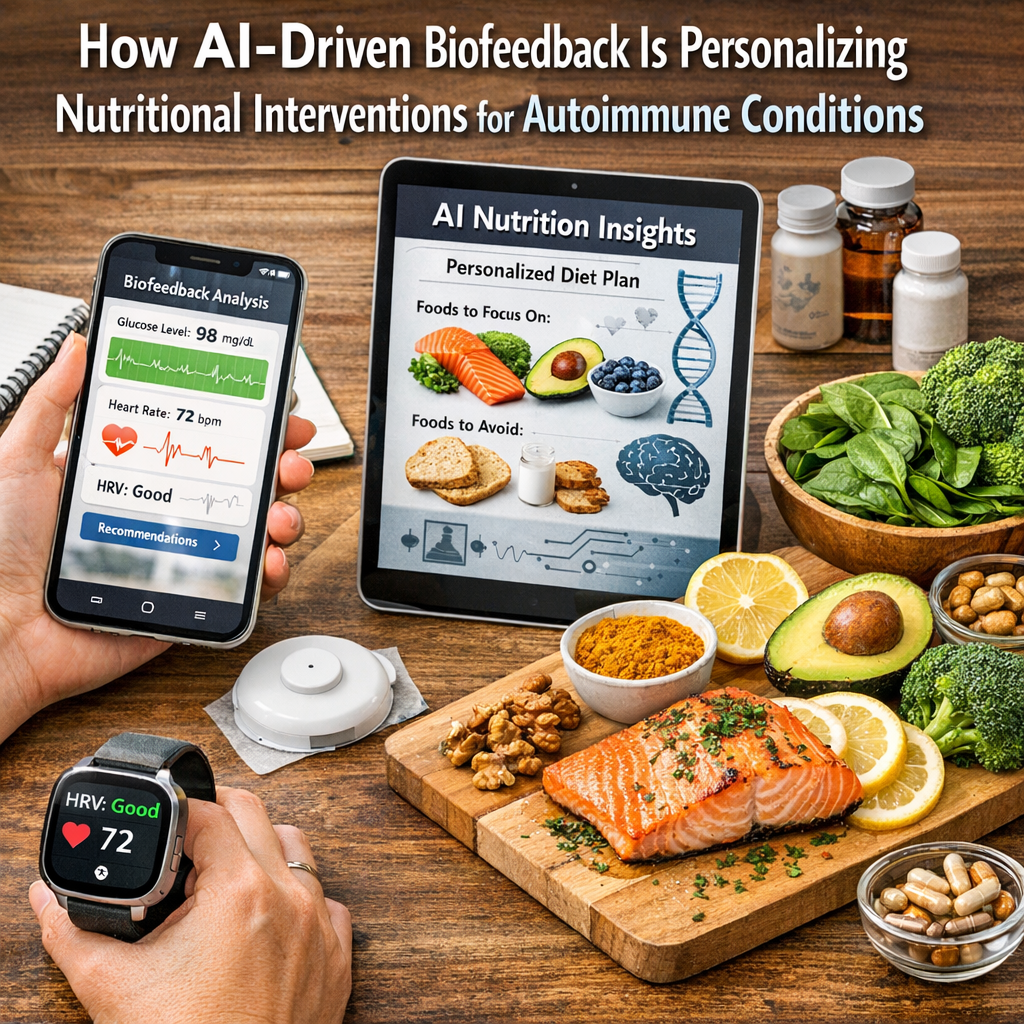
Imagine walking into a grocery store and having a digital assistant, via AR, guide you through selecting foods tailored to your specific nutritional needs. Real-time nutrient tracking and visual overlays could facilitate better choices both at home and while dining out. AR’s integration into wearable devices, smartphones, and even smart glasses could offer a hands-free experience, enabling users to remain focused while receiving instantaneous dietary advice that is personalized and actionable.
The value of personalized diet planning through AR also extends into clinical applications. It potentially aids individuals with specific dietary requirements, such as those with diabetes, allergies, or other chronic health conditions. By receiving personalized dietary instructions instantaneously, patients can adhere to their recommended nutritional guidelines more effectively. The amalgamation of AR with clinical nutrition not only heralds a new era of personalized dietary planning but also underscores the empowerment of individuals to take informed control of their health.
Features
Recent studies spotlight the profound intersection of AR and clinical nutrition. A study published in the [Journal of Medical Internet Research](https://www.jmir.org/) explored the role of AR in improving dietary choices among individuals with chronic diseases. The study revealed that using AR tools led to significant improvements in dietary adherence, reducing the risk of complications related to chronic conditions.
A separate investigation by the [National Institutes of Health (NIH)](https://www.nih.gov/) examined the potential of AR by tracking intake patterns and food choices in real-time settings. The study emphasized that AR-driven tools could deliver personalized recommendations based on the user’s health data, optimizing nutritional intake without the exhaustive need for manual food logging.
Even more fascinating is the collaboration between AR developers and nutrition scientists. Projects aim to enhance food education through visually engaging content. One such endeavor, the AR Food Education Project, utilizes AR to demonstrate portion sizes, calorie content, and nutritional balance interactively. Preliminary findings indicated that users developed a deeper understanding of portion control and nutrient balance, promoting longer-term adherence to healthier eating patterns.
By merging nutritional data science with the immersive capabilities of AR, clinical nutrition can become more personalized, engaging, and responsive. This symbiotic relationship not only holds promise in elevating individual health literacy but also in expanding access to nutrition counseling, especially in remote or underserved areas where professional resources may be scarce.
Conclusion
As we stand on the cusp of this technological revolution, the integration of Augmented Reality into clinical nutrition represents a frontier rich with possibilities. The ability of AR to provide personalized, real-time dietary information aligns perfectly with the burgeoning demand for tailored health solutions. This shift not only promises to enhance personal health outcomes but also catalyzes a broader change in public health strategies by bridging gaps in accessibility and education. For a tech-savvy generation inclined towards digital solutions, AR offers an interactive, engaging platform to seamlessly align dietary choices with health goals.
Ultimately, the convergence of Augmented Reality and clinical nutrition signifies more than just a technological evolution; it marks a paradigm shift towards proactive, informed, and personalized healthcare. This innovation has the potential to redefine our relationship with food and nutrition, making well-being not just a priority but also a lifestyle informed, intuitive, and integrated with the digital age. The future of personalized diet planning through AR is bright, and the journey has just begun.
Concise Summary
Augmented Reality (AR) is set to transform clinical nutrition by offering personalized and dynamic diet planning solutions. Integrating AR with clinical nutrition overcomes traditional limitations like time constraints and accessibility. AR empowers individuals by providing real-time dietary advice through advanced interfaces, enhancing engagement and understanding. Studies indicate that AR tools significantly improve dietary adherence among people with chronic conditions. Collaborative projects between AR developers and nutrition scientists promote long-term healthier eating patterns by leveraging immersive technology. This convergence represents a paradigm shift towards personalized, informed healthcare, paving the way for a new era in diet planning.

Dominic E. is a passionate filmmaker navigating the exciting intersection of art and science. By day, he delves into the complexities of the human body as a full-time medical writer, meticulously translating intricate medical concepts into accessible and engaging narratives. By night, he explores the boundless realm of cinematic storytelling, crafting narratives that evoke emotion and challenge perspectives.
Film Student and Full-time Medical Writer for ContentVendor.com