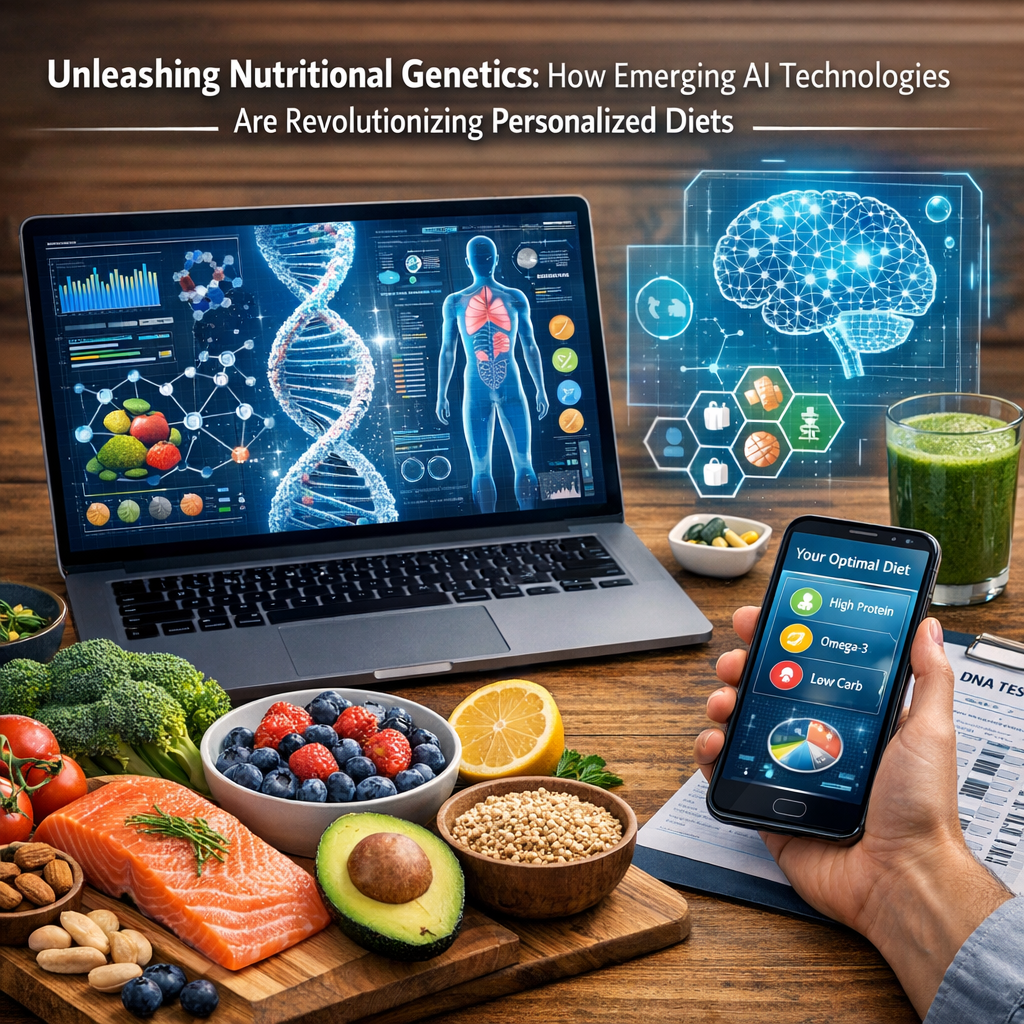
Unleashing Nutritional Genetics: How Emerging AI Technologies Are Revolutionizing Personalized Diets
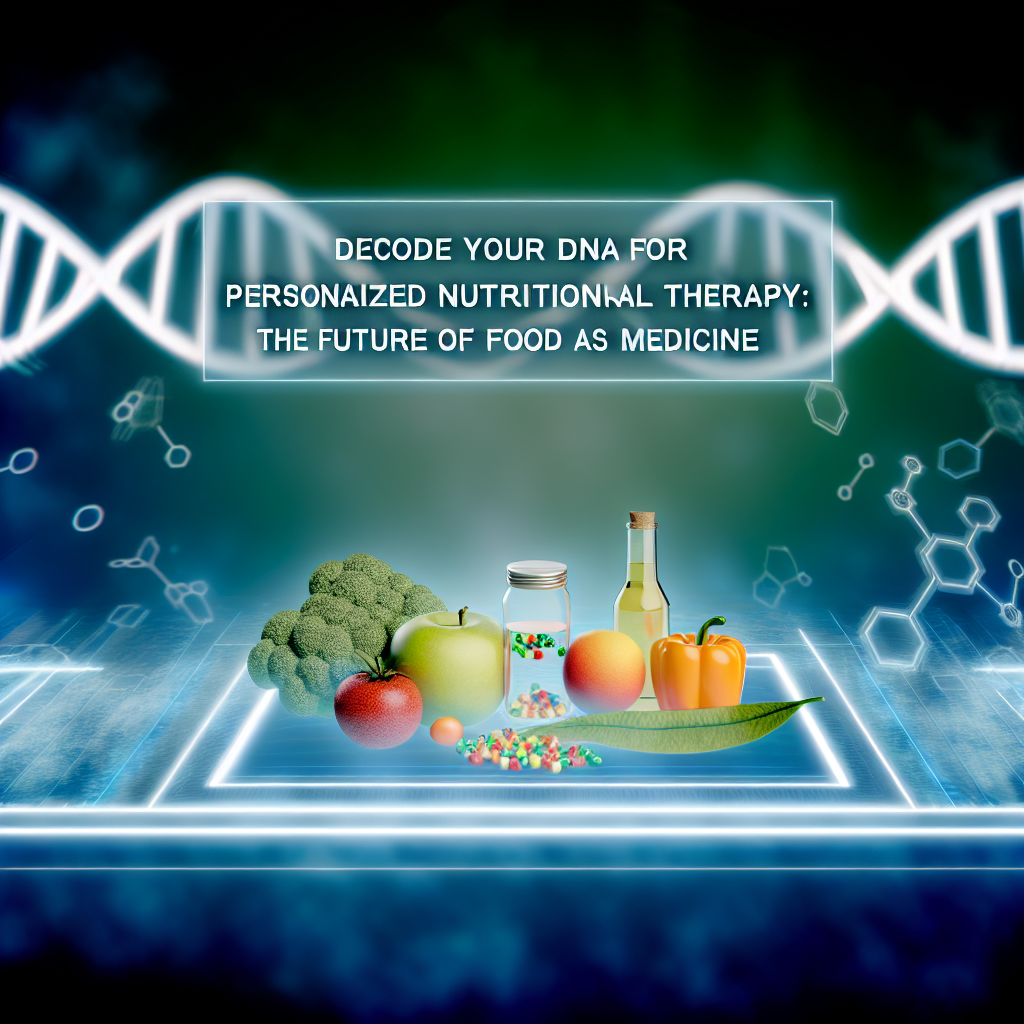
In recent years, the intersection of artificial intelligence (AI) and nutritional genetics has opened new doors in personalizing diets. Nutritional genetics, sometimes referred to as nutrigenomics, is the study of the relationship between an individual’s genetic makeup and their response to diet and nutrition. It’s a burgeoning field that promises to revolutionize how we understand the role of food in our health, by tailoring dietary recommendations to an individual’s unique genetic profile.
Traditionally, the concept of a “one-size-fits-all” diet has dominated health and wellness discussions. However, given the unique genetic variations among us, this approach often falls short. The same foods may have different effects on different individuals due to variations in genes that influence the metabolism of nutrients. This understanding underpins the promise of personalized diets harnessed by AI, offering nutrition plans that consider individual genetic profiles and lifestyle factors.
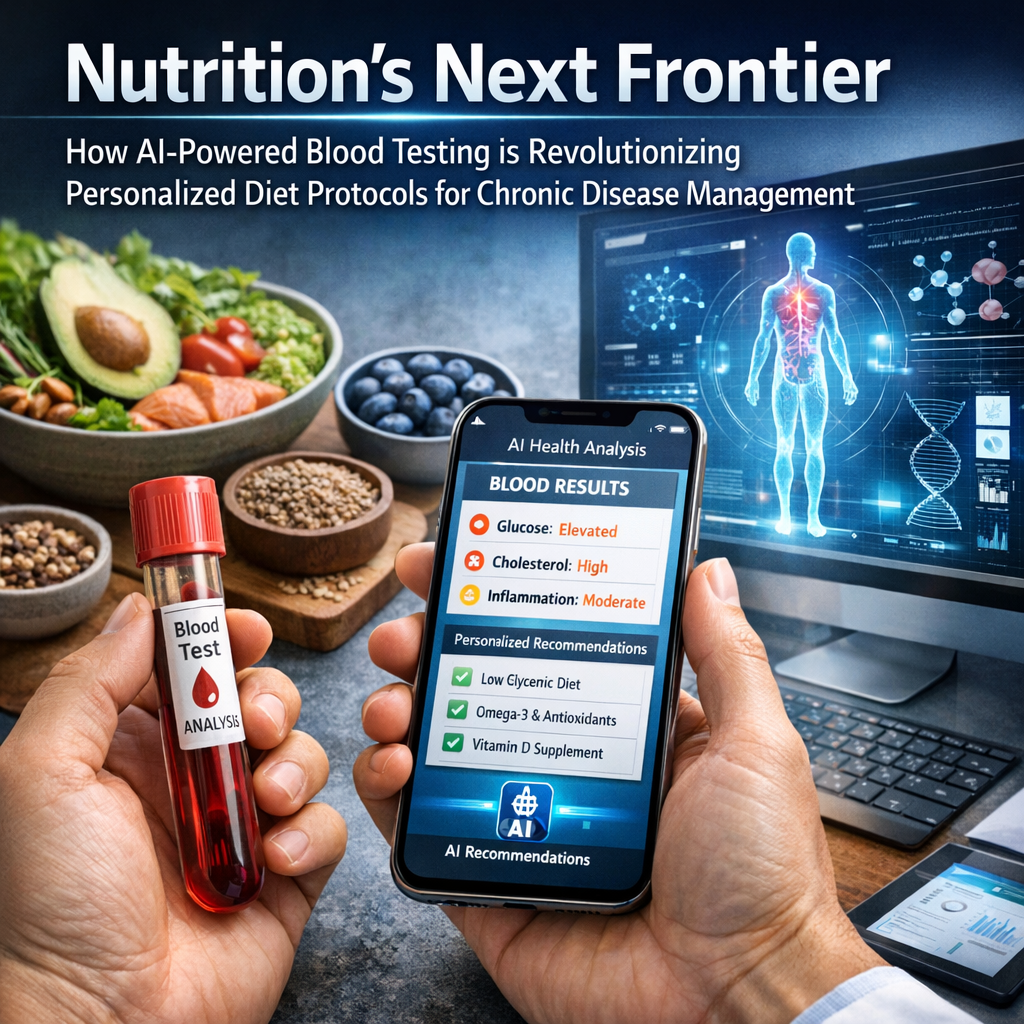
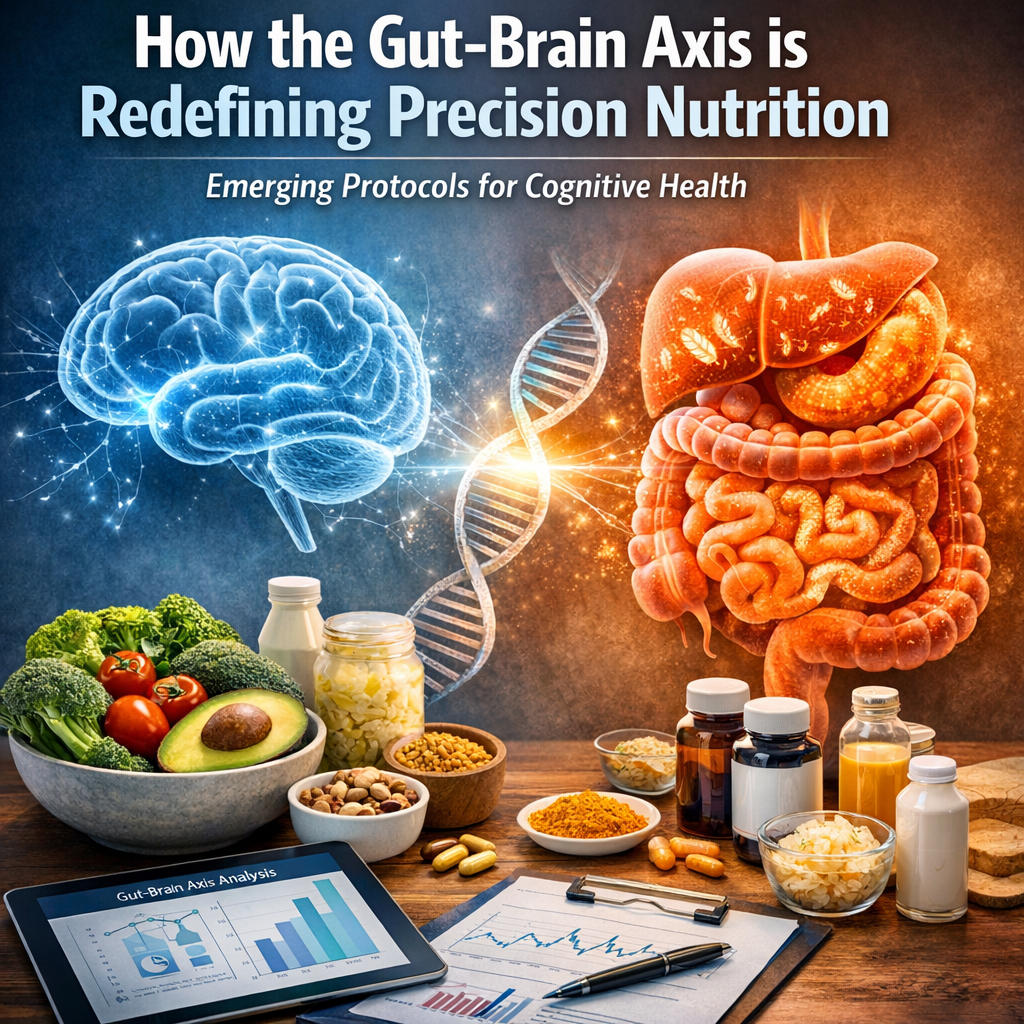
Emerging AI technologies are becoming instrumental in parsing vast amounts of genetic data, identifying patterns, and making real-time, precise dietary recommendations. For example, AI can efficiently analyze millions of genetic variants to identify specific susceptibilities to diseases or deficiencies that nutrition could mitigate. Moreover, these technologies can consider environmental, microbiome, and metabolic aspects of health, creating a comprehensive picture of one’s nutritional needs.
These advancements are not just theoretical. In practical terms, AI-driven platforms are enabling healthcare providers and nutritionists to develop diet plans that are adaptable and more effective at achieving health goals compared to generic advice. This innovative approach to nutrition is making it possible for individuals to engage proactively with their health, prevent diseases, and promote overall well-being through a diet specifically adapted to their genetic blueprint.
Features: Exploring Key Studies and AI Contributions
The integration of AI into nutritional genetics has been supported by numerous professional and medical studies. The renowned journal [Nature Genetics](https://www.nature.com/articles/s41588-018-0156-b) highlighted a study that explored how genetic variations affect the metabolism of certain nutrients, emphasizing the importance of customizing diets based on genetics. This work underlines the intricate relationship between diet and genetics and the need for precise nutritional recommendations that AI can facilitate.
One of the pivotal studies published in [Cell](https://www.cell.com/) demonstrated how certain genetic markers could predict response to different dietary fats, influencing cholesterol levels and cardiovascular health. According to research, AI technologies can now map these markers accurately, helping in crafting personalized dietary advice that mitigates risks associated with heart diseases — one of the leading causes of mortality worldwide.
Moreover, a clinical trial led by [Stanford University](https://nutrition.stanford.edu/) assessed the efficacy of genetically tailored diets versus standard dietary advice. The trial found that participants adhering to genetically informed diets experienced more significant improvements in markers of metabolic health. The use of AI to interpret complex genetic data was instrumental in crafting these personalized dietary guidelines.
Researchers are also tapping into machine learning algorithms to forecast how combinations of genetic, microbiome, and lifestyle data affect overall health outcomes. A study published in [Nature Reviews Genetics](https://www.nature.com/nrg/) outlines the potential of these AI tools in predicting dietary responses and helping in developing bespoke nutrition plans that optimize health.
Conclusion: The Future of Personalized Nutrition
The integration of AI with nutritional genetics marks a new era in dietary personalization. These technologies not only hold the promise of mainstreaming precision nutrition but also provide individuals with the tools necessary to make informed decisions about their dietary choices. This advancement moves beyond generic dietary advice, aiming to minimize risk and maximize health benefits based on scientifically-backed data tailored to individual needs.
The revolutionary intersection of AI and nutritional genetics is set to empower both healthcare professionals and consumers. It could ultimately reduce the prevalence of diet-related diseases by uncovering and leveraging insights from the genetic diversity inherent in all individuals. While there are challenges in terms of accessibility and ethical considerations, the potential benefits are immense and exciting. As the field continues to evolve, it’s evident that the coupling of AI with nutrigenomics holds extraordinary potential to transform personal health and wellness on a global scale.
For those eager to explore personalized nutrition, it’s crucial to stay informed through credible sources and consider consulting with healthcare providers knowledgeable in genetic nutrition science. The future of personalized diets has arrived, and it’s an exciting time to engage with this cutting-edge field.
Concise Summary
The intersection of AI and nutritional genetics is revolutionizing personalized diets by tailoring recommendations to individual genetic profiles. Moving beyond “one-size-fits-all” diets, AI technologies analyze vast genetic and lifestyle data to provide real-time, precise dietary guidance. Key studies, such as those from [Nature Genetics](https://www.nature.com/articles/s41588-018-0156-b) and Stanford University, showcase AI’s role in crafting personalized diet plans that improve health outcomes. Despite challenges, the integration of AI with nutrigenomics signifies a transformative approach to nutrition, promising significant advancements in preventive health and well-being through tailored dietary solutions.

Dominic E. is a passionate filmmaker navigating the exciting intersection of art and science. By day, he delves into the complexities of the human body as a full-time medical writer, meticulously translating intricate medical concepts into accessible and engaging narratives. By night, he explores the boundless realm of cinematic storytelling, crafting narratives that evoke emotion and challenge perspectives.
Film Student and Full-time Medical Writer for ContentVendor.com