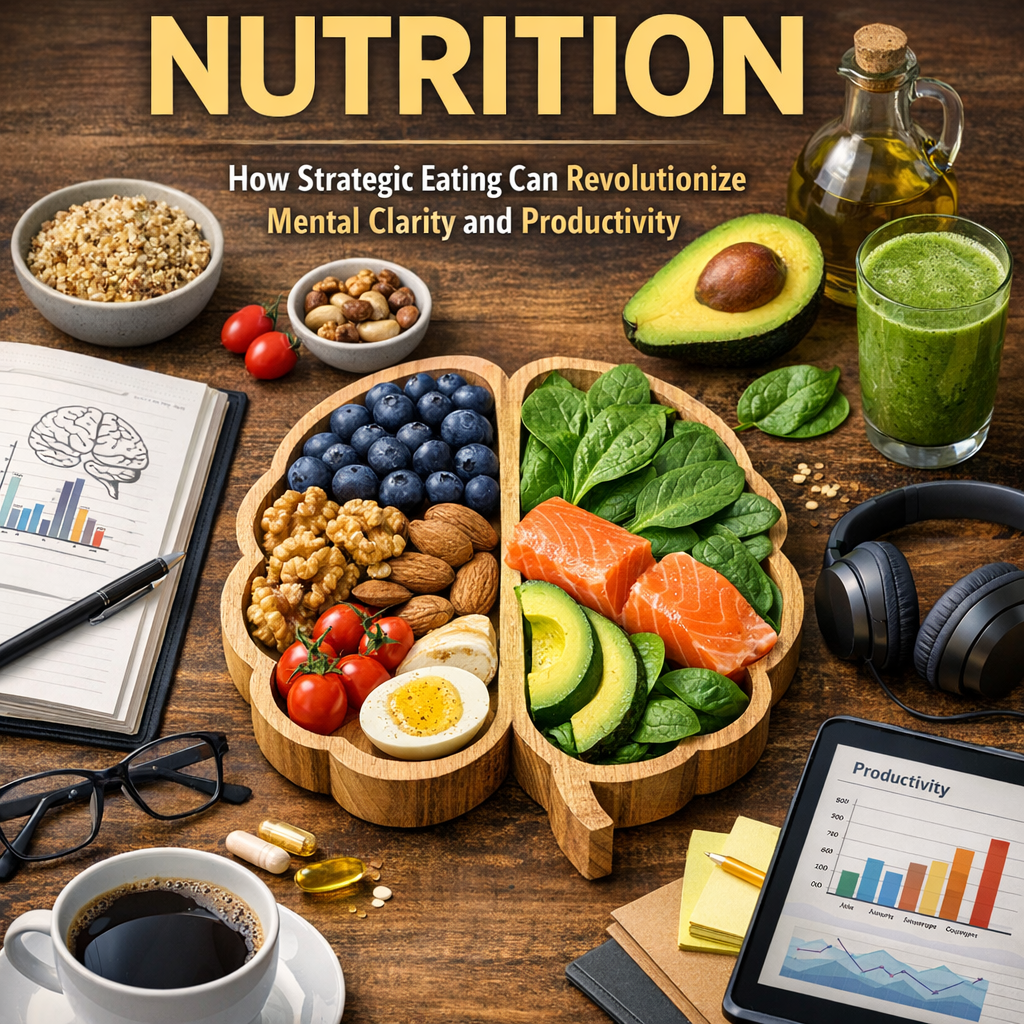
Cognitive Load Nutrition: How Strategic Eating Can Revolutionize Mental Clarity and Productivity
Introduction:
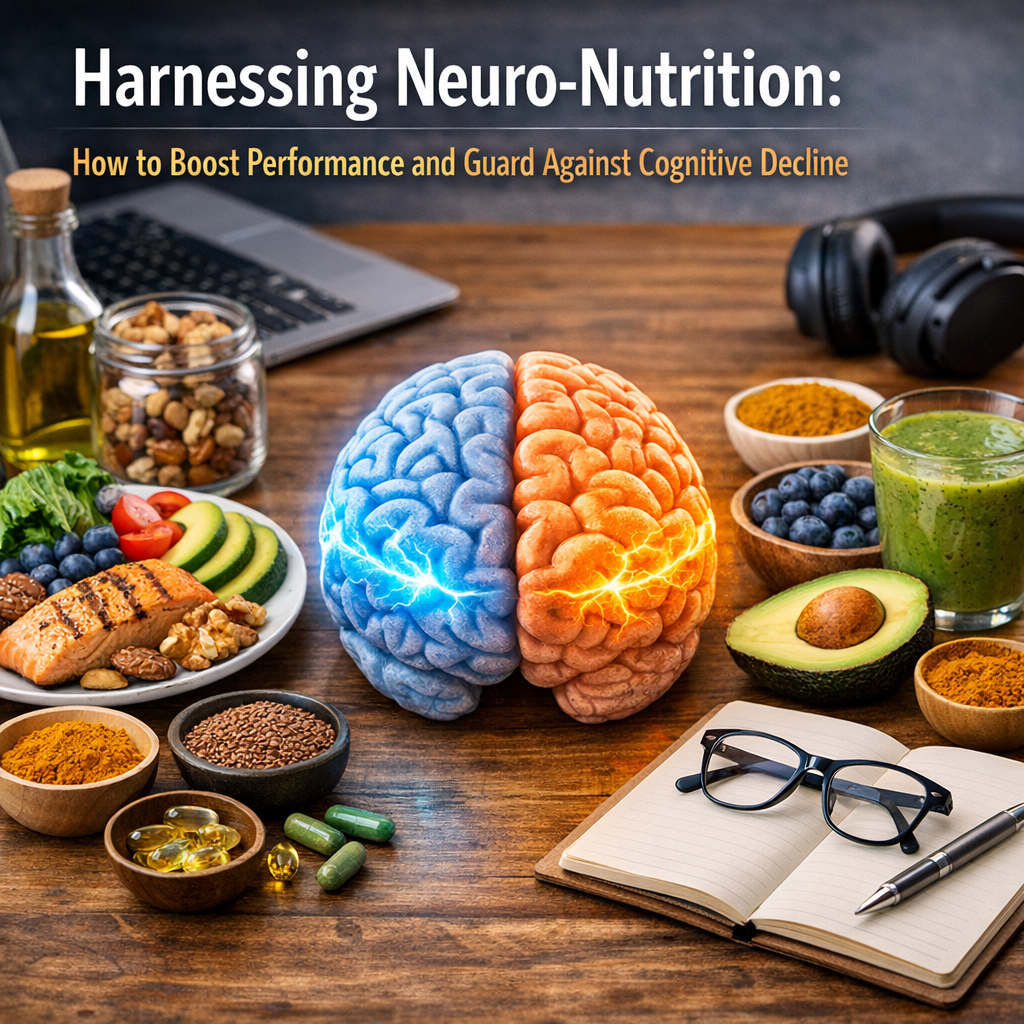
In the fast-paced, digitally-driven world we live in, mental clarity and productivity are invaluable assets. The quest for maintaining peak mental performance often leads individuals down the path of complex productivity hacks, mindfulness exercises, and even technological aids. However, one of the most potent and overlooked tools for cognitive enhancement lies in something as fundamental as our diet. Cognitive Load Nutrition refers to the strategic consumption of foods that specifically bolster brain function, reduce mental fatigue, and improve overall cognitive performance. It’s the idea that what we eat directly influences how we think, feel, and perform mentally.
The brain, a highly active organ, consumes approximately 20% of our body’s total energy despite representing only about 2% of our body weight. Its optimal function is critically dependent on a steady, adequate supply of energy and specific nutrients. This dependence makes the quality of our dietary intake a cornerstone of cognitive health. In recent years, nutritional neuroscience has begun to shed light on the specific ways diet can impact mental processes, potentially transforming our approach to productivity and mental clarity.
Certain foods and nutrients have been identified to play pivotal roles in supporting cognitive function. For instance, omega-3 fatty acids, found in abundance in fatty fish, seeds, and certain nuts, are essential components of neuronal membranes, impacting synaptic plasticity and neurotransmission. Similarly, antioxidants found in berries, dark chocolate, and green leafy vegetables help combat oxidative stress, a known factor in cognitive decline.
Moreover, the burgeoning field of nutrigenomics—the study of the interaction between nutrition and genes—suggests that diet can even influence the expression of genes related to brain function. This growing body of knowledge underscores the importance of strategic eating patterns to support brain health, much like routine physical exercises support physical health.
Thus, cognitive load nutrition is not merely about maintaining a balanced diet but rather about tailoring one’s food intake to support cognitive demands. This strategic approach to eating can lead to enhanced mental clarity, boosted productivity, and an overall improved quality of life, forming a critical component of a holistic lifestyle strategy.
Features:
A growing array of professional and medical studies underscores the influence of nutrition on cognitive functions. A 2015 study published in the *Journal of Alzheimer’s Disease* emphasizes the impact of a Mediterranean diet, rich in vegetables, fruits, nuts, whole grains, and olive oil, on slowing cognitive decline. The diet’s emphasis on omega-3 fatty acids and polyphenols helps reduce inflammation and oxidative stress, promoting cerebral health.
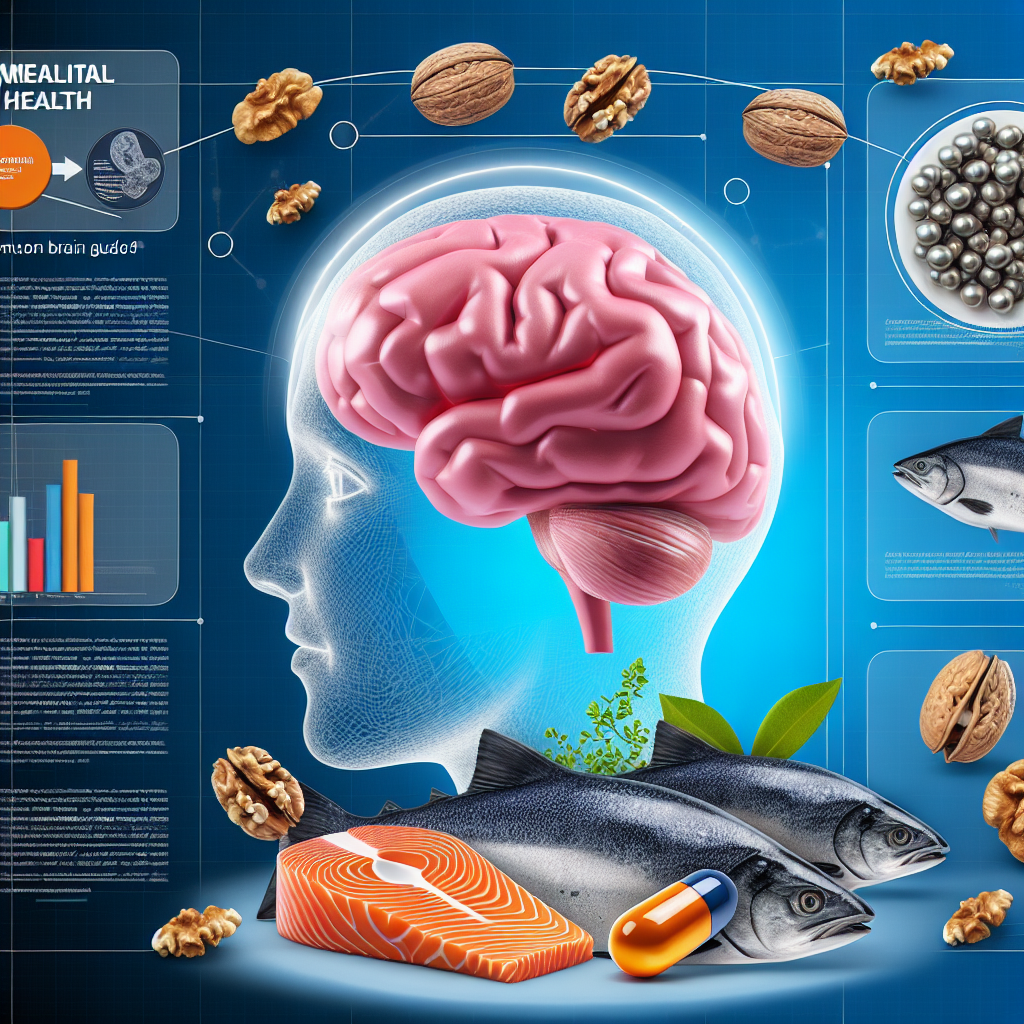
Omega-3 fatty acids are particularly celebrated for their neuroprotective properties. According to the *American Journal of Clinical Nutrition*, these acids affect brain structure and function by enhancing synaptic plasticity and increasing levels of brain-derived neurotrophic factor (BDNF), a protein that supports neuron survival and growth. Enhanced BDNF levels are associated with sharper memory and quicker cognitive tasks performance, critical for maintaining mental clarity.
Likewise, polyphenols—potent micronutrients packed in fruits, vegetables, tea, and coffee—have been shown in several studies to positively impact cognitive functions. A 2017 study published in *Frontiers in Nutrition* highlighted that consumption of polyphenol-rich foods can significantly improve cognitive performance by reducing neuroinflammation and promoting vascular health, imperative for regular oxygen supply to the brain.
Furthermore, Harvard’s T.H. Chan School of Public Health points out the crucial role of vitamin E, prevalent in nuts and seeds, in preventing cognitive decline. Vitamin E serves as a robust antioxidant, mitigating oxidative stress, a contributor to gradual cognitive degradation.
Finally, a study highlighted in the *British Journal of Nutrition* linked higher intake of flavonoid-rich foods, like dark chocolate, to better working memory and faster visual information processing, reinforcing that what we eat can dramatically impact how we think and function cognitively.
These findings form the foundation of cognitive load nutrition, providing evidence-backed strategies that can enhance brain health and mental acuity through targeted dietary interventions.
Conclusion:
In the constantly evolving landscape of health and wellness, cognitive load nutrition offers a promising approach to enhancing mental clarity and productivity through strategic eating. By adopting a diet rich in essential fatty acids, antioxidants, and flavonoids, individuals can support cognitive function, ward off mental fatigue, and sustain a high level of productivity. The integration of these nutrients into daily eating habits not only bolsters brain health but also contributes to overall well-being.
Understanding and embracing the role of cognitive load nutrition opens up avenues for not only addressing immediate mental performance needs but also safeguarding against long-term cognitive decline. As the body of scientific evidence grows, the potential to use nutrition as a tool for mental enhancement continues to unfold. By prioritizing brain-friendly foods, we lay the groundwork for sustained mental acuity, making strategic eating a vital part of achieving both personal and professional goals.
Concise Summary:
Cognitive Load Nutrition is the strategic consumption of foods that enhance cognitive function, key to mental clarity and productivity. In a 2015 study, a Mediterranean diet rich in omega-3 fatty acids and polyphenols was noted for slowing cognitive decline. Omega-3 acids enhance brain structure and support neuron growth, while polyphenols reduce neuroinflammation. Vitamin E, also crucial for brain health, acts as a powerful antioxidant. With evidence from multiple studies, cognitive load nutrition underscores the necessity for a diet tailored to support mental performance and prevent cognitive decline, promoting a more productive and vibrant lifestyle.

Dominic E. is a passionate filmmaker navigating the exciting intersection of art and science. By day, he delves into the complexities of the human body as a full-time medical writer, meticulously translating intricate medical concepts into accessible and engaging narratives. By night, he explores the boundless realm of cinematic storytelling, crafting narratives that evoke emotion and challenge perspectives.
Film Student and Full-time Medical Writer for ContentVendor.com