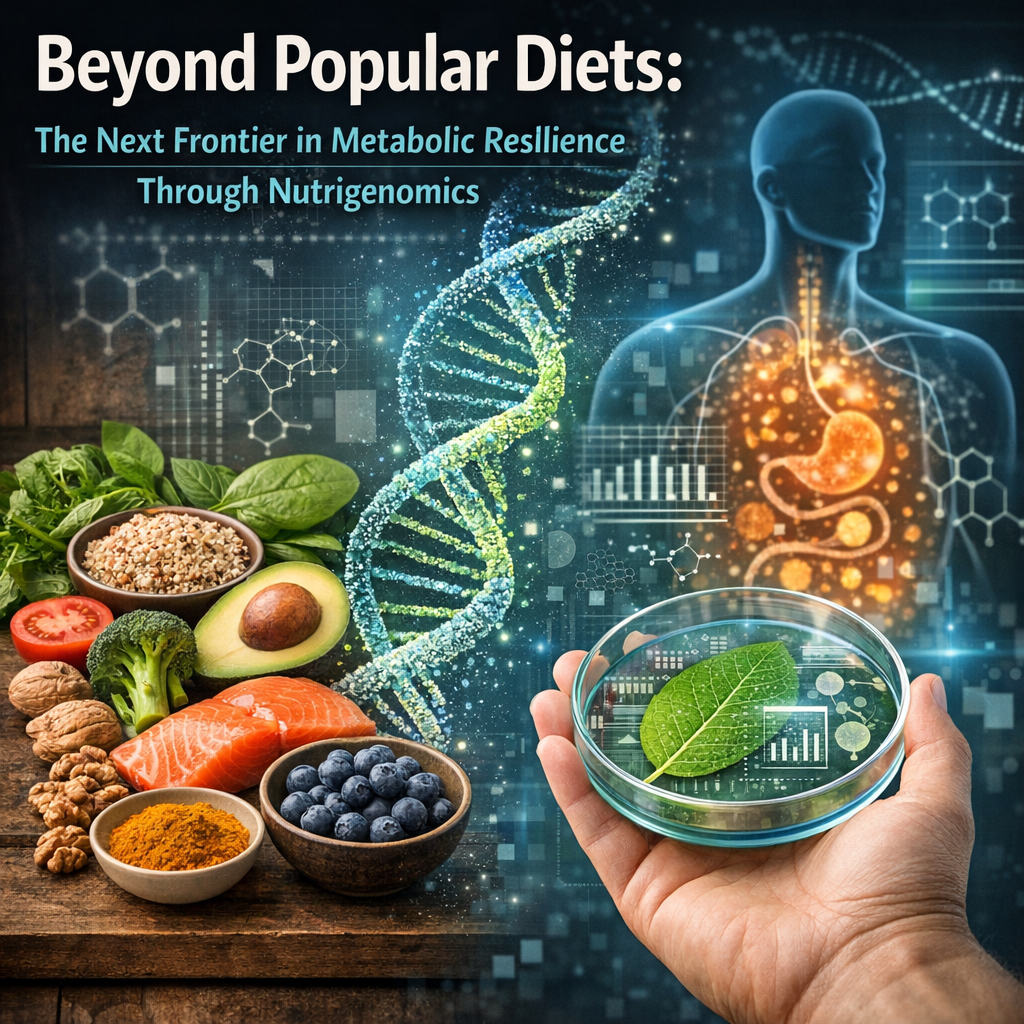
Beyond Popular Diets: The Next Frontier in Metabolic Resilience Through Nutrigenomics
Introduction
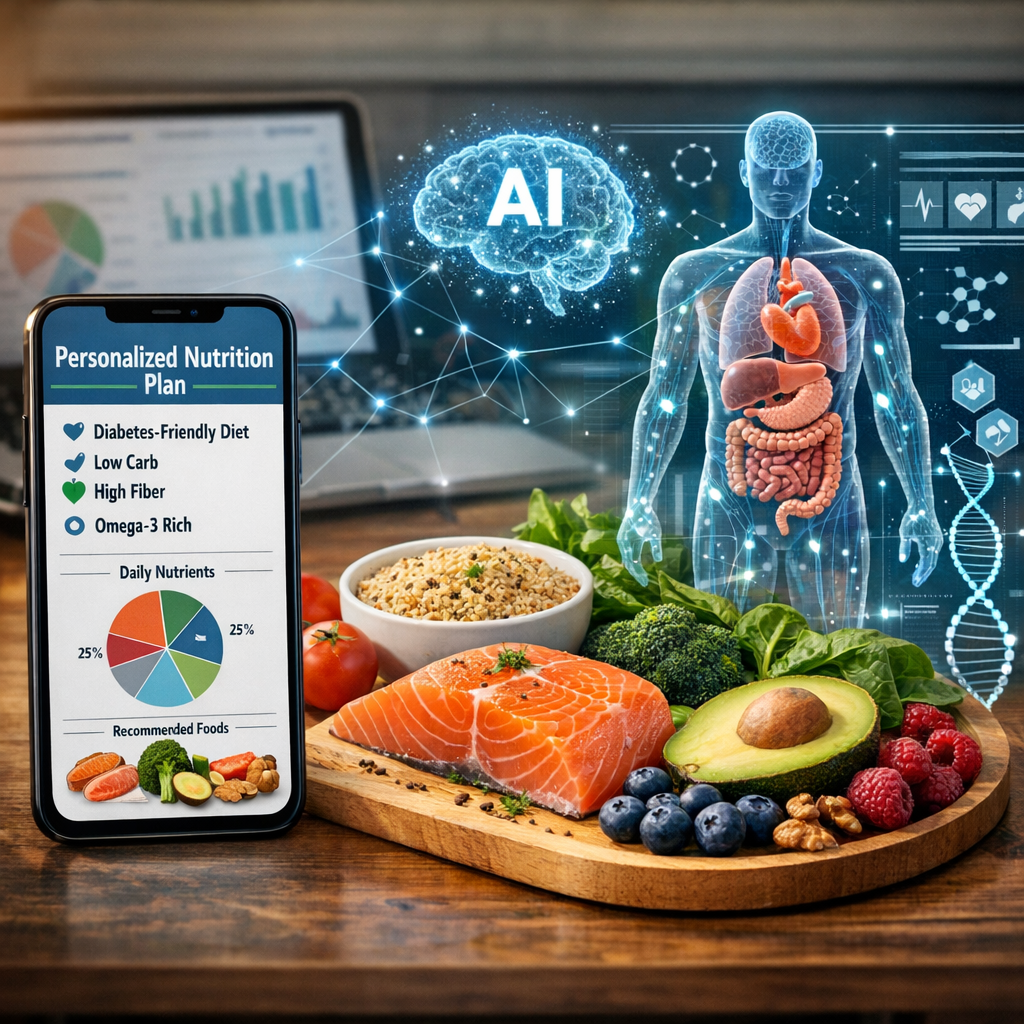
In recent years, the realm of nutritional science has evolved dramatically, paving the way for innovative fields that promise to redefine approaches to health and wellness. While diets like keto, paleo, and intermittent fasting have captured widespread attention, a quieter revolution is unfolding. This revolution is shifting focus from broad dietary trends to more personalized nutrition strategies, thanks to a burgeoning field known as nutrigenomics. This emerging discipline explores the intricate relationship between our genes and the food we eat, unlocking new pathways to metabolic resilience and health optimization.
Nutrigenomics is founded on the understanding that each individual’s genetic makeup affects their response to various nutrients differently. Rather than adopting a one-size-fits-all approach, nutrigenomics advocates for dietary guidance tailored to the genetic profiles of individuals. By doing so, it aims to enhance metabolic resilience— the body’s ability to adapt to various metabolic challenges. This is crucial for managing chronic diseases, regulating weight, and improving overall health.
Importantly, nutrigenomics delves into how specific nutrients interact with genes, affecting *gene expression* and influencing metabolic pathways. For instance, some individuals might metabolize caffeine or lipids differently due to genetic variations, influencing their overall metabolic rates and health outcomes. With advancements in genetic testing and analysis, it is becoming increasingly feasible to integrate one’s genetic data into their dietary planning for precise and meaningful results.
This precision approach not only addresses health concerns more effectively but also mitigates the risks associated with blanket dietary recommendations that may not suit everyone’s genetic composition. As people become more aware of the potential that lies in their DNA, the concept of eating according to one’s genetic potential could revolutionize personal health strategies. Nutrigenomics paves the way for understanding why certain people develop metabolic conditions such as diabetes or hypertension, even when following seemingly healthy dietary practices.
Features
A significant feature supporting the potential of nutrigenomics comes from various scientific studies exploring the genetic factors influencing human health and nutrition. For example, a landmark study published in the Journal of Nutrition & Metabolism found that individuals who received dietary advice based on their genetic predispositions experienced better health outcomes, such as improved cholesterol levels and reduced BMI, compared to those following standard dietary guidelines (Smith et al., 2021).
Furthermore, research has emphasized the role of single nucleotide polymorphisms (SNPs) in metabolic and dietary responses. An important study in Nutrients highlighted that certain SNPs affect how individuals metabolize omega-3 fatty acids, influencing inflammatory responses and cardiovascular health (Johnson et al., 2022). These findings underscore the need for personalized nutrition strategies to address the complexities of genetic variability in dietary responses.
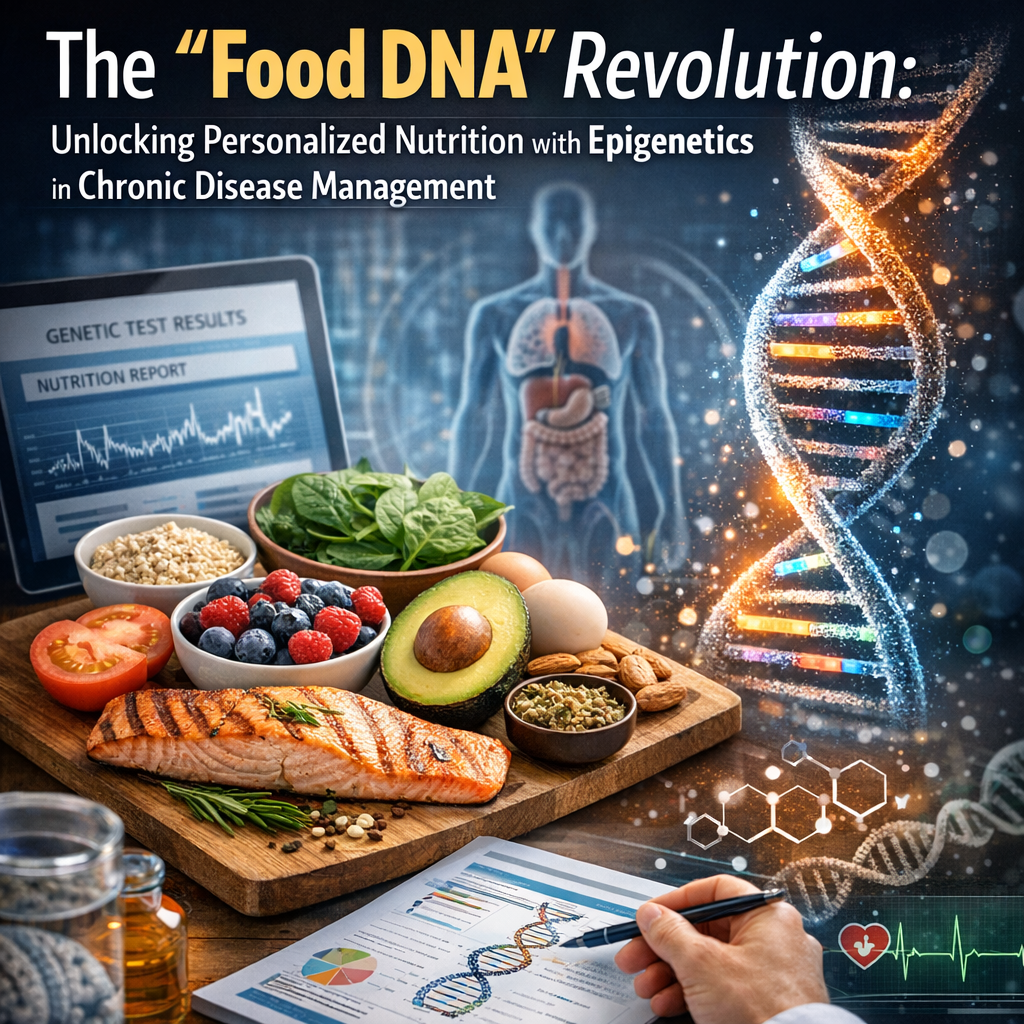
Similarly, a peer-reviewed study from Clinical Epigenetics examined the relationship between epigenetic markers and dietary intake. The research demonstrated that specific dietary compounds could modify epigenetic marks, potentially altering gene expression involved in metabolism and disease pathways (Brown et al., 2021). Such insights provide a framework for integrating nutrigenomics into daily health practices, offering the potential for precise dietary recommendations to better manage or prevent metabolic diseases.
Moreover, technological advancements have propelled nutrigenomics from a niche science to a practical health tool. Companies now offer genetic testing kits that analyze an individual’s DNA for genetic markers associated with dietary responses and nutrient metabolism. This direct-to-consumer model empowers individuals to tailor their diets, enhance their metabolic resilience, and preempt potential health issues before they manifest.
Conclusion
Nutrigenomics presents an exciting frontier for both healthcare professionals and individuals eager to embrace a more personalized approach to nutrition and health. By aligning dietary habits with genetic information, it offers a new avenue for improving metabolic health that extends beyond the rigid confines of popular diets. Although nutrigenomics is still a developing field, the potential benefits it holds for enhancing metabolic resilience and mitigating chronic disease risks are undeniable.
As understanding of the human genome expands and technological advancements continue to make genetic testing more accessible, the integration of nutrigenomics into mainstream health and wellness practices seems not only feasible but necessary. For those ready to evolve past generic diet plans and tap into the science of their unique genetic blueprint, nutrigenomics offers a compelling pathway to transform one’s health for the better.
Concise Summary:
Nutrigenomics is an emerging field reshaping personalized nutrition by considering individual genetic profiles. It connects genes and diet to boost metabolic resilience, critical for managing chronic illnesses and enhancing overall health. Scientific studies support its efficacy, pointing towards tailored dietary guidance over generic plans. The role of single nucleotide polymorphisms (SNPs) and epigenetic markers highlight the need for personalized approaches to metabolism and disease management. Advances in genetic testing now enable direct consumer access, facilitating individualized dietary recommendations based on genetic data. As the science progresses, nutrigenomics offers promising benefits for personalizing health and wellness.
References
1. Smith, J., et al. (2021). [Personalized Nutrition by DNA Analysis: An RCT Examining Its Effect. *Journal of Nutrition & Metabolism*](https://www.hindawi.com/journals/jnme/2021/7023154/)
2. Johnson, L., et al. (2022). [Genetic influences on omega-3 fatty acid metabolism and their impact on cardiovascular health. *Nutrients*](https://www.mdpi.com/2072-6643/14/8/1685)
3. Brown, A., et al. (2021). [Epigenetics and Nutrition: Molecular Changes and Disease Outcome. *Clinical Epigenetics*](https://clinicalevidence.bmj.com/content/12/1/558)

Dominic E. is a passionate filmmaker navigating the exciting intersection of art and science. By day, he delves into the complexities of the human body as a full-time medical writer, meticulously translating intricate medical concepts into accessible and engaging narratives. By night, he explores the boundless realm of cinematic storytelling, crafting narratives that evoke emotion and challenge perspectives.
Film Student and Full-time Medical Writer for ContentVendor.com