The Biology of Superfoods: Why “Kale Craze” is Misguided and What to Eat Instead
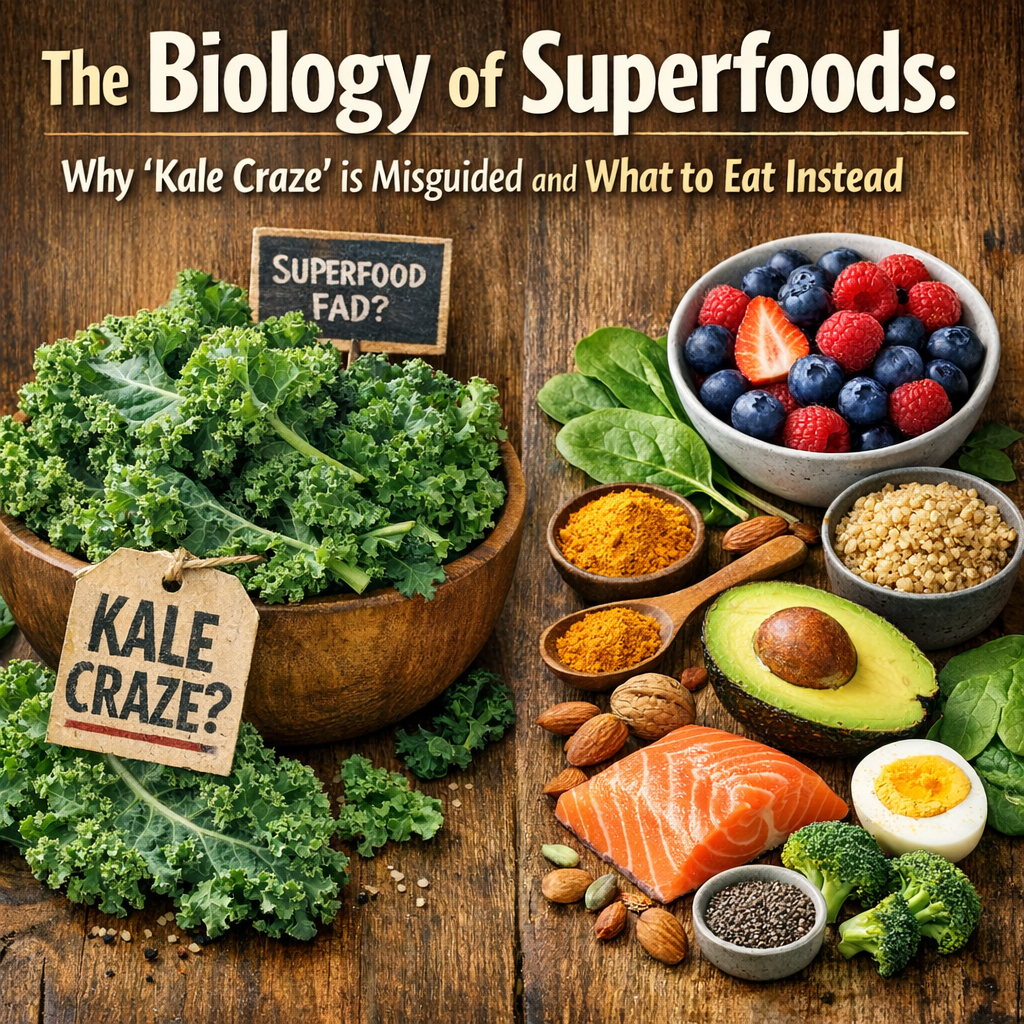
In recent years, kale has garnered considerable attention, often crowned the king of superfoods. However, the kale craze might be more hype than substance. A superfood is defined by nutrient density and a range of health benefits. While kale is nutrient-rich, focusing solely on this leafy green overlooks other beneficial foods.
Kale offers vitamins A, C, and K, along with calcium, fiber, and antioxidants. Yet, considering it as the ultimate health food may be misleading. This obsession has overshadowed a varied nutritional approach. Foods like berries, nuts, seeds, and fatty fish also deserve recognition for their health benefits.
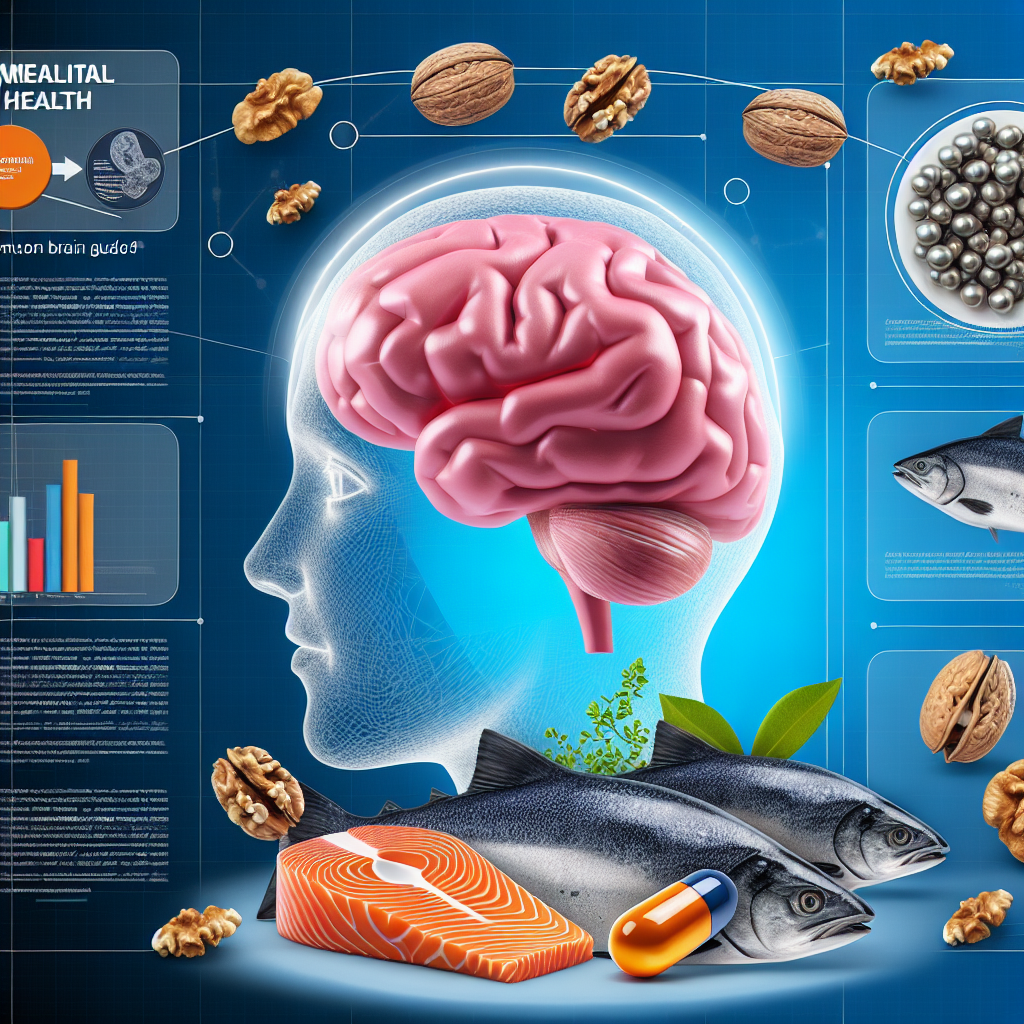
Berries such as blueberries have high antioxidant capacities, protecting the cardiovascular system and enhancing cognitive function. Nuts and seeds like almonds provide healthy fats, protein, and fiber, essential for heart health. Fatty fish like salmon deliver omega-3 fatty acids, crucial for brain health and reducing inflammation.
While kale contains oxalates, which can impair calcium absorption, other greens like spinach present similar nutrient profiles with different bioavailabilities. This highlights the need for a balanced diet rather than focusing on a single food item.
Superfoods embody the synergy of nutrients that promote optimal health. Diverse consumption is not only nutritionally complete but also supports biodiversity in agriculture, contributing to sustainability. Embracing various foods ensures nutritional completeness and environmental protection.
Professional studies provide insights into superfoods. The [Journal of the American College of Nutrition](https://www.ncbi.nlm.nih.gov/pmc/articles/PMC6092199/) emphasizes diverse intake for maximum benefits, while a [Harvard T.H. Chan School of Public Health study](https://www.hsph.harvard.edu/nutritionsource/healthy-weight/diet-reviews/) found that a mix of fruits, vegetables, lean proteins, and fats reduces chronic diseases risk.
A [study in The American Journal of Clinical Nutrition](https://academic.oup.com/ajcn/article/108/3/476/5042717) explored various foods’ effects on health parameters. Findings suggest dark berries and certain nuts offer protective effects. Food scientist Dr. Susan Kleiner emphasizes omega-3 intake from fish, noting its role in brain health, which kale lacks.
In conclusion, while kale is nutritionally dense, it shouldn’t singularly dominate dietary choices. Embracing a broader array of superfoods enriches nutrient intake and supports sustainable practices and biodiversity. True health is maintained through diversity in our diets and ecosystems.
References:
– [National Institutes of Health (PMC)](https://www.ncbi.nlm.nih.gov/pmc/articles/PMC6092199/)
– [Harvard T.H. Chan School of Public Health](https://www.hsph.harvard.edu/nutritionsource/healthy-weight/diet-reviews/)
– [Oxford Academic, The American Journal of Clinical Nutrition](https://academic.oup.com/ajcn/article/108/3/476/5042717)
– [American Psychological Association](https://www.apa.org/helpcenter/omega-3-fatty-acids)
Summary:
The focus on kale as the ultimate superfood is exaggerated. Though rich in vitamins and antioxidants, relying solely on this leafy green overlooks the benefits of a varied diet. Berries, nuts, seeds, and fatty fish also offer significant health advantages. Superfoods encompass nutrient synergy promoting optimal health, and diverse consumption supports complete nutrition and ecological sustainability. Studies show that a mix of diverse foods reduces chronic disease risks and enhances overall health more effectively than focusing on a single food type. True health arises from dietary diversity that supports body and environmental well-being.

Dominic E. is a passionate filmmaker navigating the exciting intersection of art and science. By day, he delves into the complexities of the human body as a full-time medical writer, meticulously translating intricate medical concepts into accessible and engaging narratives. By night, he explores the boundless realm of cinematic storytelling, crafting narratives that evoke emotion and challenge perspectives.
Film Student and Full-time Medical Writer for ContentVendor.com