Harnessing Biofeedback: Real-time Nutrition Adjustments to Combat Chronic Conditions
Introduction
In today’s fast-paced world, chronic conditions such as diabetes, hypertension, and irritable bowel syndrome (IBS) have seen a noticeable rise due to lifestyle factors. Although pharmaceutical interventions provide relief, they often come with side effects that can lead to other health concerns. This is where biofeedback—a self-regulation strategy—steps in, coupled with real-time nutrition adjustment as a natural ally to combat chronic ailments. Biofeedback is a complementary therapy that uses signals from your own body to improve health; when combined with diet changes, it offers a powerful tool for managing chronic conditions more naturally.
Biofeedback is rooted in the principle that our bodies send out signals about their state of health, which, when recognized and understood, can guide our behaviors towards healthier outcomes. By employing biofeedback, individuals can gain real-time insights into their body’s physiological processes such as heart rate, muscle tension, and skin temperature. This tangible feedback helps them understand how their body reacts to stressors, including diet-related ones.
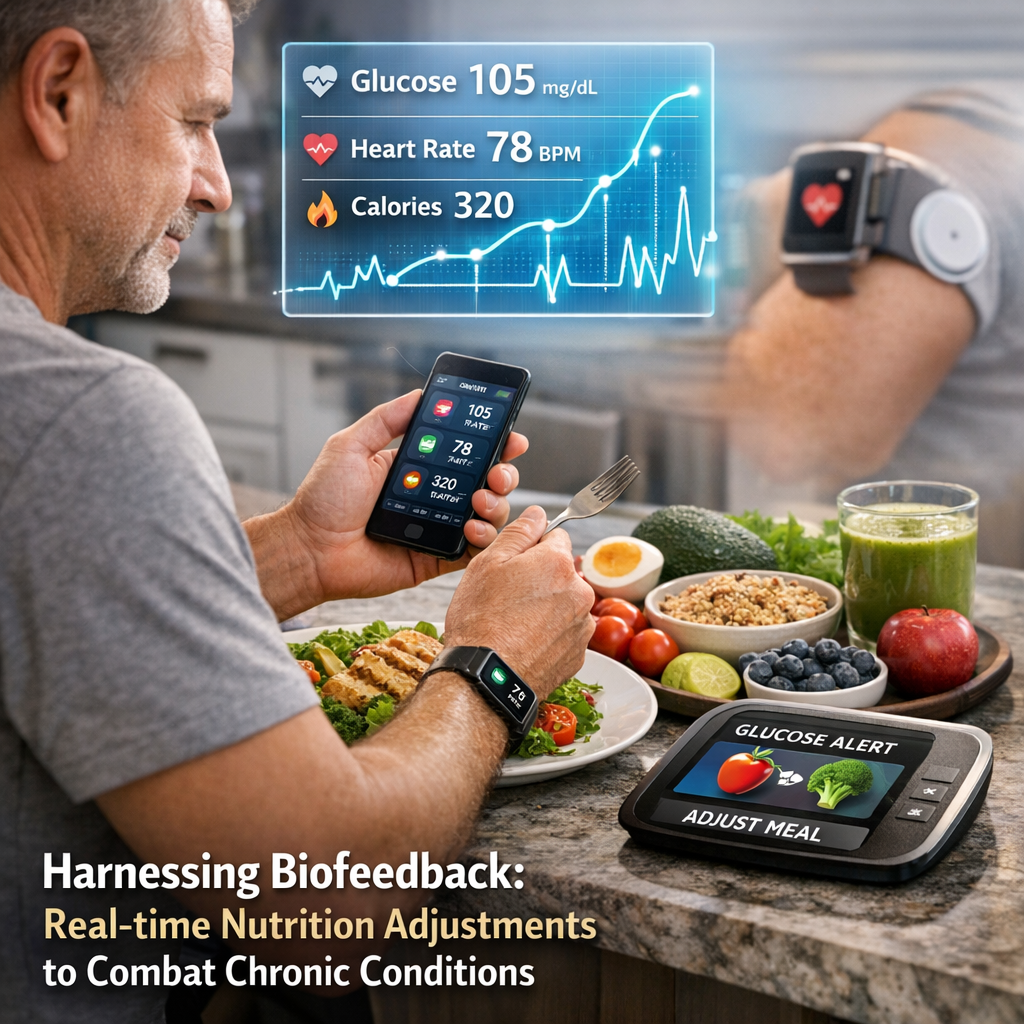
When biofeedback is expertly harnessed with dietary changes, it allows individuals to make immediate, informed decisions on their nutritional intake to better manage their symptoms. For instance, wearing a biofeedback device that tracks glucose levels can help someone with diabetes understand how specific foods impact their blood sugar. This knowledge allows for timely dietary adjustments that help keep glucose levels stable, thus preventing potential health complications.
The beauty of integrating biofeedback with nutritional strategies lies in its personalized approach. Diets aren’t one-size-fits-all, especially when it comes to chronic health conditions where several factors influence the effectiveness of specific diets. Through continuous feedback, individuals can craft a unique and effective dietary plan, steering clear of foods that exacerbate their condition while embracing those that support wellness.
Features
The application of biofeedback in connection with dietary adjustments is increasingly being supported by scientific research. A 2020 study published in the journal [*Diabetes Technology & Therapeutics*](https://www.liebertpub.com/doi/10.1089/dia.2020.0180) explored continuous glucose monitoring (CGM) among individuals with type 1 diabetes. The study found that real-time data from biofeedback devices significantly improved individuals’ abilities to control blood glucose levels by allowing them to see immediate correlations between their diet and glucose spikes. This empowered them to make better food choices that led to steady glucose levels and lower HbA1c measurements over time.
Another study, conducted by the [University of California San Francisco](https://journals.sagepub.com/doi/10.1177/2192568220914141), examined the use of biofeedback in managing hypertension. The research highlighted that participants utilizing biofeedback techniques along with dietary therapy showed marked improvements in managing their blood pressure levels. Specifically, the study found a significant reduction in systolic and diastolic blood pressure readings when individuals could see real-time data related to their sodium intake and its impact on their blood pressure metrics.
Additionally, a randomized controlled trial published in the [*Journal of Psychosomatic Research*](https://www.jpsychores.com/article/S0022-3999(19)30151-1/fulltext) looked at the effects of biofeedback intervention combined with dietary adjustments in patients suffering from IBS. The researchers concluded that the combination of the two treatments showed a remarkable improvement in patients’ symptom severity compared to control groups who did not use biofeedback. Participants learned to link certain foods with symptom flare-ups through biofeedback, allowing them to adjust their diet accordingly and significantly alleviate their IBS symptoms.
These studies underscore the value of using biofeedback as an integral part of a self-management plan for chronic health conditions, enhancing patients’ ability to make data-driven, personalized decisions for optimal health. By using biofeedback and a science-backed nutrition strategy informed by real-time physiological responses, individuals can better manage and even potentially reverse chronic health conditions naturally.
Conclusion
Biofeedback paired with real-time nutritional adjustments presents a promising natural approach to managing chronic conditions. As the relationship between diet and chronic disease becomes increasingly evident, solutions that empower individuals to take charge of their health will gain prominence. Harnessing biofeedback not only allows for informed dietary decisions but also embraces a holistic view of health that considers the unique responses of each individual’s body. This customized approach could revolutionize how we view and treat chronic conditions, with personalized nutrition playing a central role in achieving overall wellness. By integrating continuous feedback with smart dietary choices, we can look towards a future of health care that is not only reactive but also preventative and personalized.
References
1. [*Diabetes Technology & Therapeutics*. Real-time continuous glucose monitoring impacts](https://www.liebertpub.com/doi/10.1089/dia.2020.0180)
2. [University of California San Francisco Study on hypertension and biofeedback](https://journals.sagepub.com/doi/10.1177/2192568220914141)
3. [*Journal of Psychosomatic Research*. Biofeedback and IBS](https://www.jpsychores.com/article/S0022-3999(19)30151-1/fulltext)
—
Concise Summary
Biofeedback is emerging as a complementary therapy to combat chronic conditions like diabetes, hypertension, and IBS by using real-time data on physiological processes to inform dietary adjustments. Recent studies suggest that this approach, combined with personalized nutrition, can optimize health outcomes by stabilizing glucose levels, managing blood pressure, and reducing IBS symptoms. Integrating biofeedback with dietary strategies offers a personalized, natural way to manage and potentially reverse chronic ailments, emphasizing a preventative, proactive approach to health care.

Dominic E. is a passionate filmmaker navigating the exciting intersection of art and science. By day, he delves into the complexities of the human body as a full-time medical writer, meticulously translating intricate medical concepts into accessible and engaging narratives. By night, he explores the boundless realm of cinematic storytelling, crafting narratives that evoke emotion and challenge perspectives.
Film Student and Full-time Medical Writer for ContentVendor.com