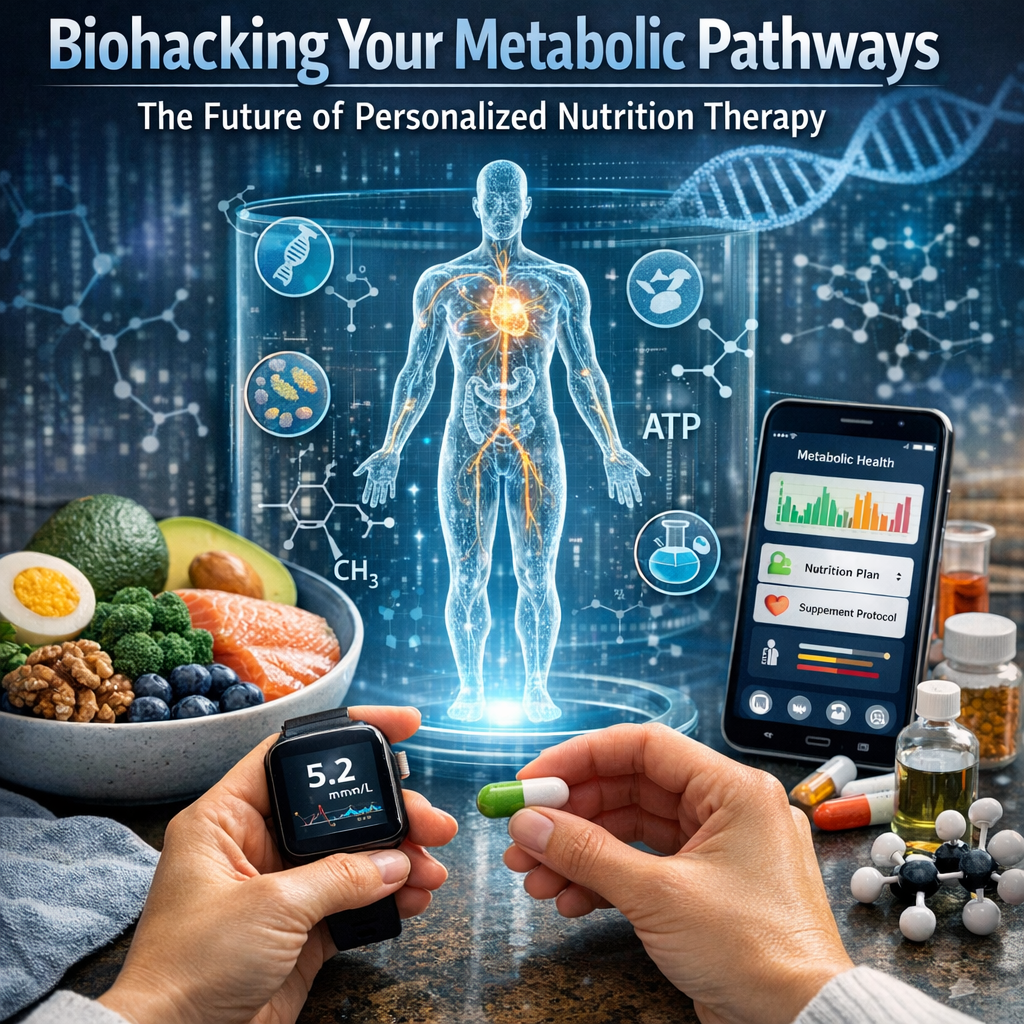
Biohacking Your Metabolic Pathways: The Future of Personalized Nutrition Therapy
In an era where technology intersects with health and wellness, biohacking emerges as a revolutionary approach. Biohacking refers to the practice of scientifically altering one’s own biology, often with the aid of technology, dietary adjustments, and lifestyle changes, to enhance physical and mental performance. One of the most promising domains of biohacking is personalized nutrition therapy. This innovative approach harnesses the power of biohacking to optimize metabolic pathways—complex networks of reactions within cells that convert food into energy and other essential molecules.
Metabolic pathways play a critical role in how our bodies process nutrients from the food we consume. By gaining insights into these pathways, individuals can tailor their diets to enhance specific bodily functions, support weight loss, or even prevent chronic diseases. The future of personalized nutrition therapy focuses on assessing personal genetic, microbiome, and metabolic profiles to craft precise nutritional plans that resonate with individual biological needs.
This intersection of technology and nutrition offers endless possibilities. Advanced diagnostic tools like gene sequencing, wearable biosensors, and AI-driven analytics now provide data that were once out of reach for average consumers. These technologies enable the collection of vital insights regarding how an individual metabolizes different nutrients, reacts to various foods, and responds to diet changes. Such information empowers individuals to take charge of their health with strategies that are not only evidence-based but also finely tuned to their unique physiological makeup.
The interest in personalized nutrition therapy has been fueled by increasing awareness of the limitations of one-size-fits-all diet plans, which often fail to account for biological variability among individuals. As people seek more effective and sustainable ways to manage their health, the demand for personalized nutrition solutions has soared. The potential benefits range from optimized performance and energy levels to the prevention and management of conditions like obesity, type 2 diabetes, and cardiovascular disease.
Features: Insights from Professional and Medical Studies
The development of personalized nutrition therapy is underpinned by a growing body of scientific research. Studies have illustrated how genetic differences influence nutritional metabolism, thus affecting individual dietary needs and responses.
A groundbreaking study published in *Cell* by [a team from the Weizmann Institute in Israel](https://www.cell.com) revealed that individuals have markedly different glycemic responses to identical foods. The research employed continuous glucose monitors and advanced analytics to provide a tailored dietary framework that improves postprandial blood glucose levels for each person.
Another significant study, led by [researchers at King’s College London](https://www.nature.com) and published in *Nature Medicine*, explored the influence of the gut microbiome on diet-related health. They found that specific gut bacteria could predict an individual’s response to different nutritional interventions. These findings underscore the importance of tailoring diets not just to genetic profiles but also to the ever-changing landscape of the gut microbiome.
Wearable biosensors, or “biosleeves,” are another exciting development in the field. These devices, backed by research from various institutions, measure metabolic parameters like blood glucose, ketone levels, and lactate in real-time, allowing individuals to monitor their body’s response to food and exercise instantaneously.
AI and machine learning also play a pivotal role. Platforms like Nutrigenomix utilize genetic data to provide personalized dietary recommendations, showing promising results in improving nutrient requirements for better health outcomes.
Such studies and technological innovations highlight the scientific foundation of personalized nutrition therapy. They validate the potential for customizable nutrition strategies that cater to individual biochemical and genetic profiles, fostering a new era of health optimization.
Conclusion: The Path Forward for Personalized Nutrition Therapy
Biohacking metabolic pathways represents a paradigm shift in how individuals approach health and nutrition. Although still evolving, personalized nutrition therapy promises to revolutionize diet management and lifestyle optimization through the fusion of biotech advancements and nutritional science. The implications are profound: customized dietary strategies that align with genetic, microbiome, and metabolic specifics can lead to healthier lives, increased well-being, and improved disease management.
As we advance, collaboration between technology, nutrition, and medical research will continue to yield innovative solutions. While personalized nutrition therapy may seem like a concept from the future, it is rapidly becoming a tangible reality, offering practical solutions for today’s health challenges. By empowering individuals with the tools to understand and optimize their metabolic pathways, personalized nutrition therapy holds the key to unlocking enhanced health and longevity.
Further research and development in this field will undoubtedly provide deeper insights, resulting in accessible and affordable solutions for all. Embracing this transformative approach can herald a new chapter in personalized health and nutrition.
Concise Summary:
Biohacking metabolic pathways represents a modern approach to enhancing health through personalized nutrition therapy. By leveraging technology such as gene sequencing, biosensors, and AI analytics, individuals can tailor their diets based on genetic, microbiome, and metabolic insights. Research supports the potential of personalized nutrition in optimizing bodily functions, managing chronic diseases, and improving overall well-being. This evolving field bridges biotech advancements with nutritional science, promising customized, evidence-based plans suited to individuals’ unique physiological needs, ultimately revolutionizing health management.

Dominic E. is a passionate filmmaker navigating the exciting intersection of art and science. By day, he delves into the complexities of the human body as a full-time medical writer, meticulously translating intricate medical concepts into accessible and engaging narratives. By night, he explores the boundless realm of cinematic storytelling, crafting narratives that evoke emotion and challenge perspectives.
Film Student and Full-time Medical Writer for ContentVendor.com