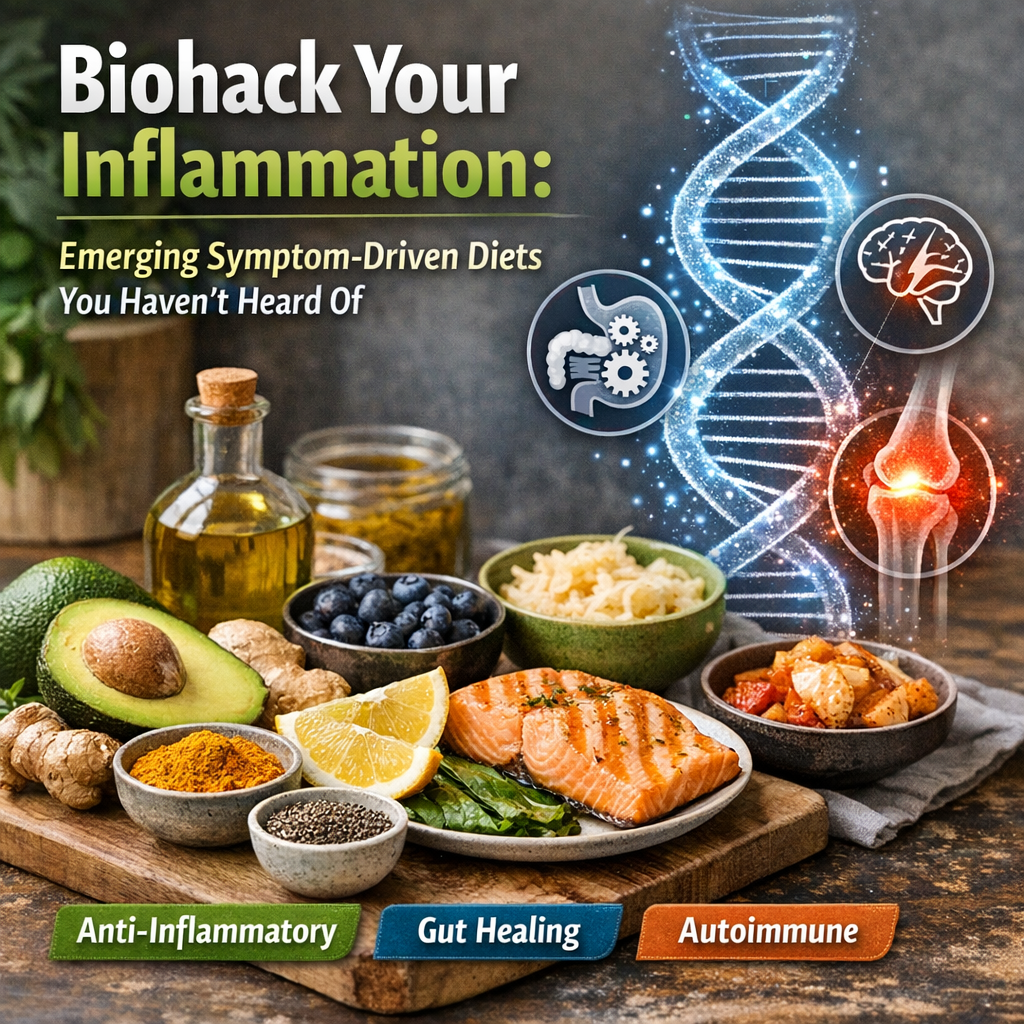
Biohack Your Inflammation: Emerging Symptom-Driven Diets You Haven’t Heard Of
Inflammation has increasingly become a central topic of discussion among health and wellness enthusiasts, medical professionals, and individuals seeking natural ways to maintain optimal health. While inflammation is a natural part of the body’s immune response, chronic inflammation can lead to various health issues, including heart disease, diabetes, arthritis, and even cancer. Managing this condition is crucial to enhancing well-being.
The Concept of Biohacking
The concept of biohacking involves making small, manageable lifestyle and diet changes to improve health and well-being. This includes dietary interventions that address inflammatory symptoms directly. While many are familiar with the Mediterranean or anti-inflammatory diets, less well-known, symptom-driven dietary strategies are emerging. These focus not only on reducing inflammation but also on understanding its roots and tailoring interventions accordingly. Such diets consider personal responses to inflammation, affected by genetics, environment, lifestyle, and emotional health. Personalized nutrition aims to empower individuals to take control of their health by listening to their body’s unique signals.
Emerging Methods
One emerging method is the gut-centric dietary approach, emphasizing gut health as crucial in inflammation management. Research highlights the gut-brain axis—a bidirectional communication between the gut and brain—and its significant influence on inflammation. Similarly, diets guided by specific biomarkers, like C-reactive protein (CRP) levels, offer another strategy. By managing these inflammatory markers through dietary changes, individuals can potentially mitigate chronic inflammation’s effects. Remarkably, these approaches do not follow a one-size-fits-all model; instead, they advocate for diet personalization based on symptoms and biomarkers, signaling a shift from generalized dietary recommendations.
Features
Emerging symptom-driven diets are based on advancements in nutritional science and personalized health strategies. Noteworthy studies include research on the gut microbiome’s impact on systemic inflammation. A study in *Nature Microbiology* highlights microbial diversity’s importance in the gut, suggesting that an imbalance (dysbiosis) can trigger inflammatory responses. Restoring balance through a diet rich in fiber, fermented foods, and prebiotics reduces inflammation and improves overall health.
Another study in *Nutrients* discusses polyphenols, naturally occurring compounds in foods like berries, teas, and spices, which reduce inflammation through antioxidant properties. A diet rich in polyphenol-containing foods may offer a targeted approach to managing chronic inflammatory conditions.
Further research in *JAMA* explores specific dietary patterns and inflammatory biomarkers like CRP. It emphasizes that diets high in processed sugars, trans fats, and refined carbohydrates correlate with elevated CRP levels. Conversely, whole-food-based diets with antioxidants and omega-3 fatty acids reduce inflammation markers, highlighting the importance of prioritizing whole, unprocessed foods.
An emerging field suggests that listening to one’s nutritional biofeedback can aid in customizing diet plans to control inflammation. This personalized approach involves identifying food sensitivities and intolerances that may exacerbate inflammation. Conducting controlled dietary experiments, possibly leveraging wearable health technologies for real-time feedback, helps individuals refine dietary choices to manage inflammation symptoms best.
Conclusion
Symptom-driven diets provide promising pathways for managing inflammation proactively. Unlike traditional diets, these strategies focus on personalized nutrition, emphasizing biomarkers, customized food choices, and the gut microbiome’s critical role. This approach shifts from generic to tailored interventions considering individual health statuses and genetic predispositions. For those committed to biohacking their health, exploring these new dietary interventions can empower them to sustain and enhance well-being.
References
– [Nature Microbiology: Gut microbiome and systemic inflammation](https://www.nature.com/articles/nmicrobiol)
– [Nutrients: Polyphenols and inflammation](https://www.mdpi.com/journal/nutrients)
– [JAMA: Dietary patterns and CRP](https://jamanetwork.com/journals/jama)
Concise Summary
Symptom-driven diets target inflammation by focusing on personalized approaches, emphasizing gut health, and using biomarkers like CRP levels. Emerging methods advocate for diet personalization to reduce chronic inflammation. Research shows diets rich in fiber, fermented foods, prebiotics, and polyphenols, while avoiding processed sugars and refined carbohydrates, effectively manage inflammation. These novel dietary strategies leverage recent advancements in nutritional science and personalized health, offering promising pathways for biohackers to manage inflammation through tailored interventions. Ultimately, integrating cutting-edge research and nutritional biofeedback into daily dietary choices supports a healthier, balanced life.

Dominic E. is a passionate filmmaker navigating the exciting intersection of art and science. By day, he delves into the complexities of the human body as a full-time medical writer, meticulously translating intricate medical concepts into accessible and engaging narratives. By night, he explores the boundless realm of cinematic storytelling, crafting narratives that evoke emotion and challenge perspectives.
Film Student and Full-time Medical Writer for ContentVendor.com