The Epigenetic Plate: How Food Can Rewrite Your Gene Expression and Transform Health Outcomes
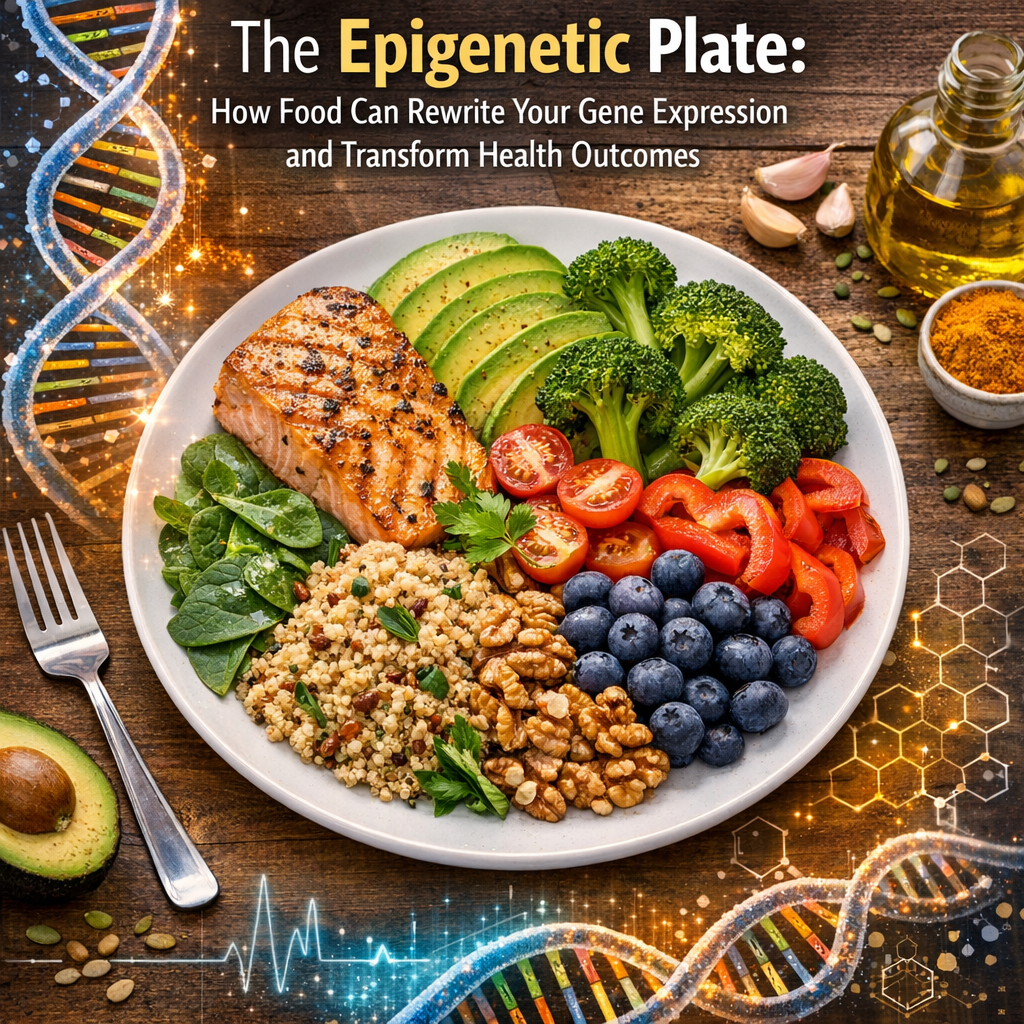
In the ever-evolving world of nutrition science, one concept that holds intriguing potential is the understanding of how our diet influences gene expression, a field known as epigenetics. The epigenetic plate is more than just a metaphor—it’s a concept that encapsulates the power of nutrients to impact not just our immediate health but the very instructions in our DNA that determine how various genes are expressed. We are beginning to realize that our diet can switch genes on or off, dampen or amplify their expression, and ultimately alter health trajectories.
Imagine a keyboard with various keys representing different genes. Epigenetic factors act like the fingers playing a piano, affecting which keys (or genes) are activated. This process is largely influenced by environmental factors, particularly our diet. Researchers have started to unpack how specific nutrients and bioactive compounds in foods can modify the epigenetic marks that regulate gene activity. While genetic predispositions play a role in our health, epigenetic changes can significantly alter these predispositions, offering a layer of control over our genetic responses.
The fascination with epigenetics largely stems from its ability to explain discrepancies in health outcomes despite genetic similarities. For instance, identical twins sharing the same genetic makeup can develop different diseases based on variations in diet and lifestyle. This suggests that while we might inherit genes prone to certain conditions, our dietary choices can mitigate or amplify these risks. The implications for individual health and disease prevention are profound, paving the way for dietary guidelines tailored to personal gene expression profiles.
In harnessing the power of epigenetics, we shift the narrative from fearing predisposed health outcomes to embracing a proactive stance on health. It’s about leveraging informed dietary choices to fine-tune our genetic potential—a revelation that food is not just sustenance but a powerful tool in the orchestra of life, choreographing a harmonious symphony of health and vitality. This understanding could potentially revolutionize dietary guidelines, enabling individuals to make informed choices that work synergistically with their genetic framework.
Features: Professional and Medical Studies
Recent studies underpinning the science of nutrigenomics and epigenetics reveal how specific nutrients can significantly influence epigenetic markers. A notable study published in [Nature Reviews Genetics](https://www.nature.com/articles/nrg2711) has underscored how folate and other B-vitamins are crucial in methylation—a key epigenetic mechanism. Methylation represents how genes are tagged for activation or silencing based on the presence of methyl groups. Folate-rich foods, such as leafy greens, eggs, and legumes, contribute to an abundance of methyl groups, thereby influencing gene expression related to important biological processes such as DNA repair, inflammation, and detoxification.
Moreover, polyphenols found in green tea and turmeric have drawn attention for their ability to modulate histone modifications. A study documented in [The Journal of Nutritional Biochemistry](https://www.sciencedirect.com/science/article/pii/S0955286309000626) found that epigallocatechin gallate (EGCG) from green tea can influence genes controlling cell proliferation and apoptosis, processes that are pivotal in cancer prevention. Similarly, curcumin, the active compound in turmeric, has shown promise in modulating histone acetylation, affecting genes involved in cell cycle regulation and metastasis, thus offering protective effects against certain cancers.
An additional study showcased by [The American Journal of Clinical Nutrition](https://academic.oup.com/ajcn/article/90/5/1451/4598066) explored the impact of resveratrol, a compound in red grapes, on sirtuin pathways—a class of proteins linked to longevity. Resveratrol has been hailed for mimicking caloric restriction benefits, which are associated with prolonged lifespan and improved metabolic health. Through research, it has become evident that resveratrol activates sirtuins, proteins that play a role in deacetylating histones and regulating genes involved in aging and fat metabolism.
These studies demonstrate a clearly delineated pathway through which dietary components influence genetic expression. While these findings are foundational, they pave the way for more comprehensive research necessary for integrating epigenetics into dietary interventions at a clinical level. The evolution of this research domain holds potential to redefine our understanding of chronic diseases, aging, and overall health.
Conclusion
In reimagining our health landscape through the lens of epigenetics, we’re granted a perspective that empowers us to take charge of our well-being at the genetic level. What was once considered immutable—our DNA—now stands as a framework responsive to informed dietary choices. By consciously selecting foods that favorably influence our epigenetic markers, we take actionable steps towards enhancing our health outcomes, potentially circumventing hereditary predispositions to various conditions. As science continues to unravel the dynamic interplay between diet and DNA, we are slowly but steadily equipping ourselves with tools to personalize and optimize health strategies. Embracing this knowledge isn’t merely about dietary changes; it shepherds a transformative shift in our approach to wellness, marking the dawn of a new era where we harness the full genetic symphony within us.
Concise Summary:
The concept of the “epigenetic plate” emphasizes how diet can influence gene expression, hence affecting health outcomes. Recent studies highlight the role of nutrients like folate, polyphenols, and resveratrol in modulating epigenetic markers associated with disease prevention and longevity. By understanding these interactions, individuals can potentially mitigate hereditary health risks through diet, suggesting a paradigm shift in personalized wellness strategies. This ongoing research in epigenetics offers promising avenues for redefining dietary guidelines, as diet emerges not merely as sustenance, but a tool capable of modulating our genetic potential and overall health.
References
1. [Folate and Epigenetic Mechanisms in Gene Expression](https://www.nature.com/articles/nrg2711)
2. [Polyphenols and Histone Modifications](https://www.sciencedirect.com/science/article/pii/S0955286309000626)
3. [Resveratrol and Sirtuins Activation](https://academic.oup.com/ajcn/article/90/5/1451/4598066)

Dominic E. is a passionate filmmaker navigating the exciting intersection of art and science. By day, he delves into the complexities of the human body as a full-time medical writer, meticulously translating intricate medical concepts into accessible and engaging narratives. By night, he explores the boundless realm of cinematic storytelling, crafting narratives that evoke emotion and challenge perspectives.
Film Student and Full-time Medical Writer for ContentVendor.com