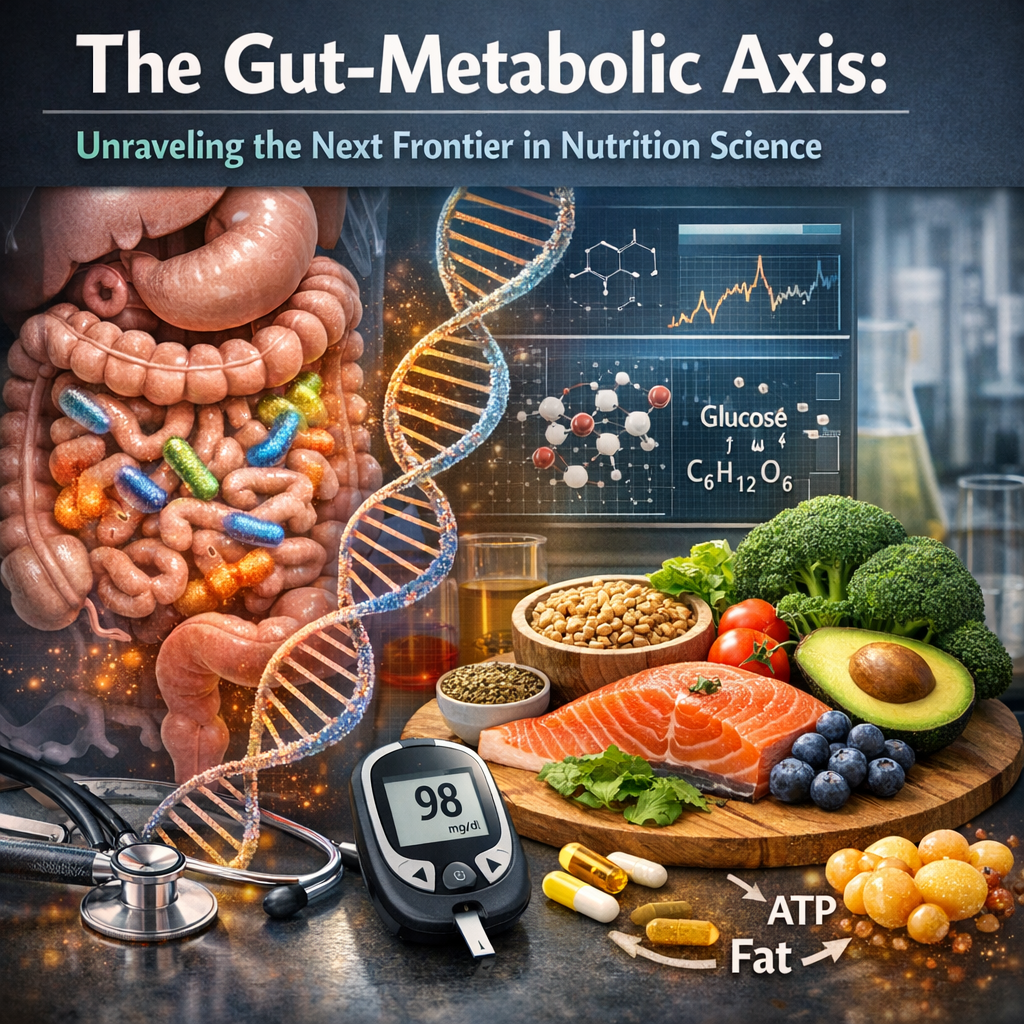
The Gut-Metabolic Axis: Unraveling the Next Frontier in Nutrition Science
In recent years, there has been increasing recognition of the gut’s pivotal role in overall health—specifically, its impact on metabolic processes. This burgeoning area of research is commonly referred to as the gut-metabolic axis, a complex and dynamic interface that governs numerous physiological systems. As consumers seek natural cures and alternative treatments for metabolic disorders, understanding the gut-metabolic axis could lead to transformative approaches in nutrition and health management.
Understanding the Gut-Metabolic Axis
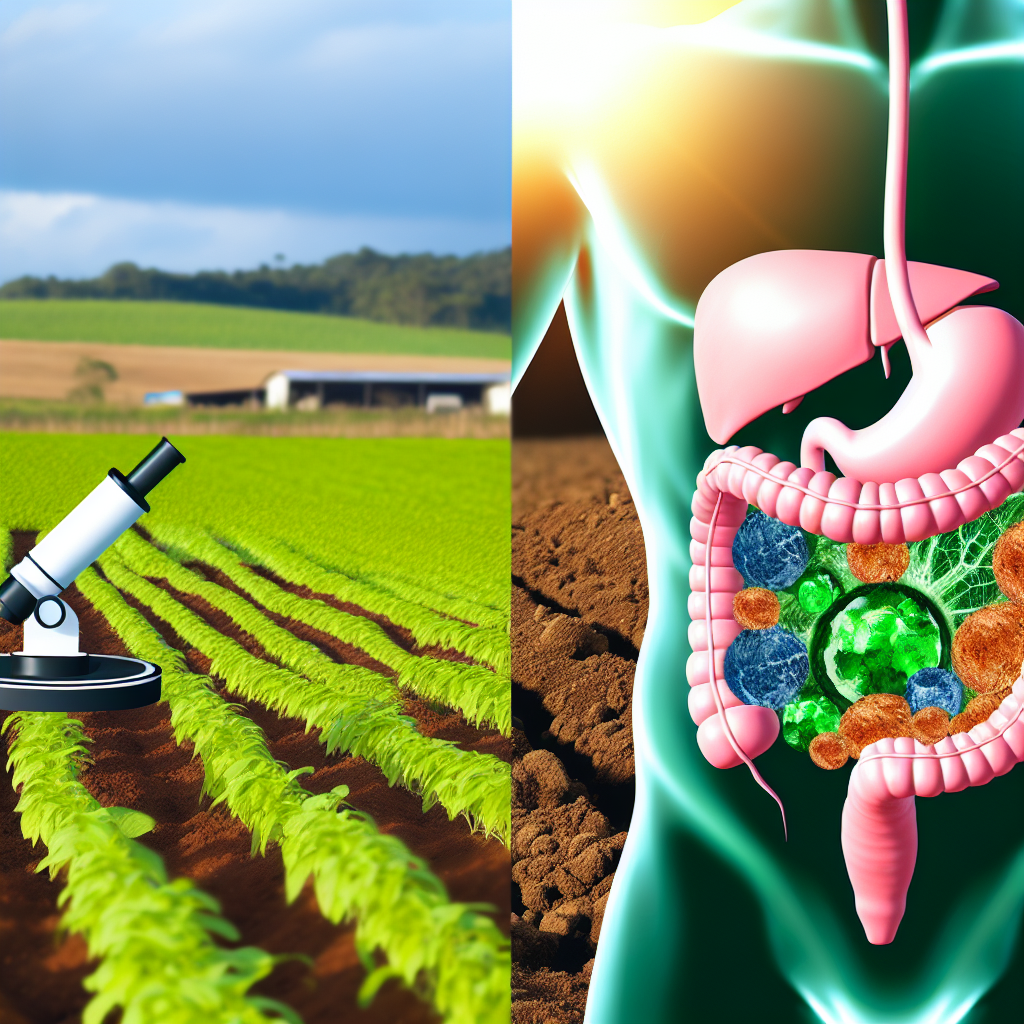
The gut-metabolic axis refers to the interconnected pathways involving gut microbiota, metabolic tissues, and the central nervous system that regulate metabolism and energy homeostasis. Within the intricate network of the human gut, trillions of microorganisms reside, influencing not only digestion but also our metabolic health. Recent studies suggest that any imbalance in these microbial communities—known as dysbiosis—could lead to metabolic disorders such as obesity, type 2 diabetes, and cardiovascular diseases. This highlights the gut’s integral role as a mediator in metabolic activities.
Microbiota’s Influence on Nutrition
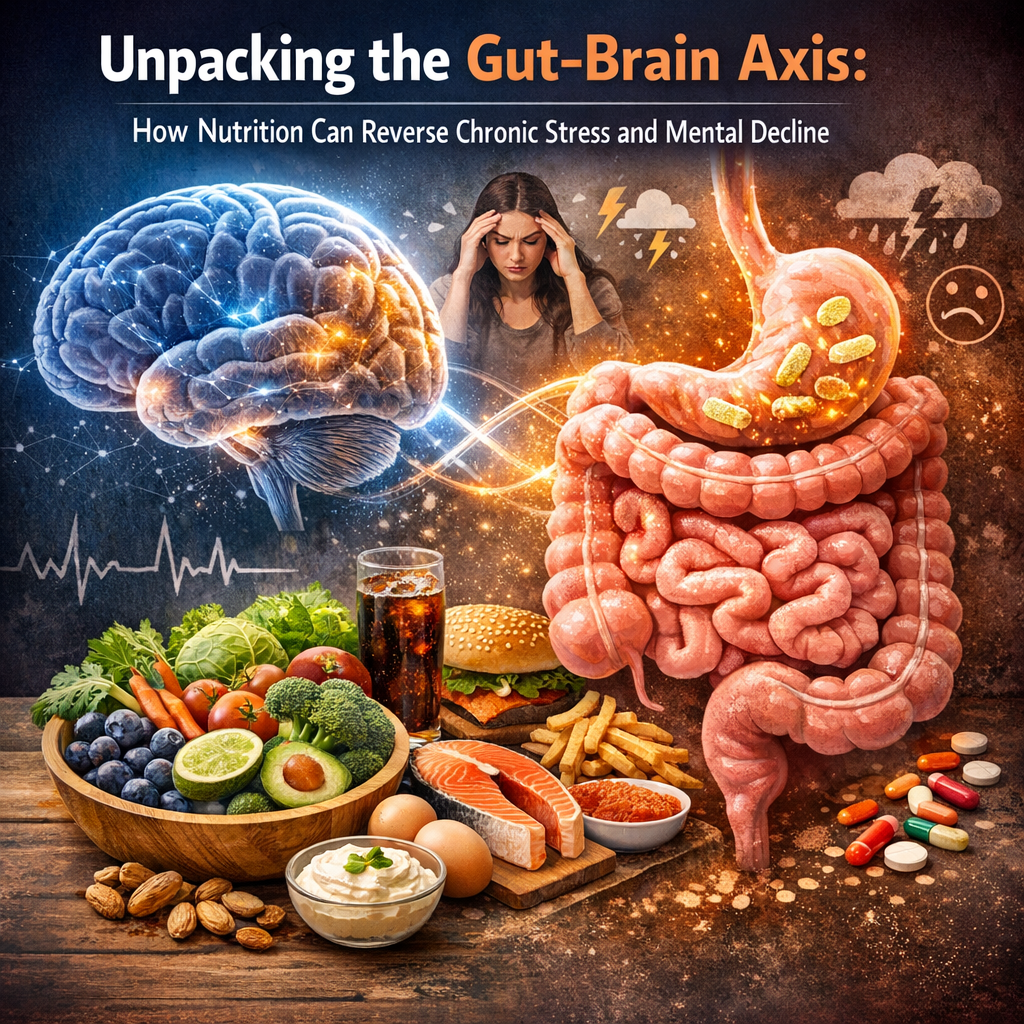
Considering the microbiota’s influence, it becomes evident that nutrition plays a critical role in shaping the gut environment. Dietary components, particularly prebiotics and probiotics, can significantly alter the composition and function of gut microbiota, offering potential natural therapeutic avenues for metabolic dysfunctions. Furthermore, herbal and homeopathic treatments such as herbal teas, extracts, and fermented foods can promote gut health and subsequently impact metabolic well-being. For example, incorporating fermented foods like kimchi or sauerkraut into one’s diet could bolster microbiota diversity, supporting metabolic balance and aiding digestion.
Features: Exploring the Science Behind the Gut-Metabolic Axis
The gut-metabolic axis has garnered attention within the scientific community, spurring numerous studies aimed at understanding its complexity. A landmark study published in the journal “Nature” explored the relationship between gut microbiome composition and metabolic disease markers, concluding that a higher diversity of gut microbiota is associated with a lower risk of metabolic disorders ([Nature article link](https://www.nature.com/articles/nature23310)).
Moreover, research has demonstrated that specific strains of probiotics, such as Lactobacillus and Bifidobacterium, can positively influence glucose metabolism and lipid profiles, offering a natural therapeutic option for individuals with metabolic syndrome ([Journal of Translational Medicine article link](https://translational-medicine.biomedcentral.com/articles/10.1186/s12967-017-1262-y)). These strains work by modulating microbial communities and interacting with gut hormones that influence appetite regulation and insulin sensitivity.
Further investigations, such as those published in “Cell Metabolism,” have identified how gut-derived metabolites, such as short-chain fatty acids (SCFAs), act as signaling molecules that enhance metabolic efficiency and improve insulin sensitivity ([Cell Metabolism article link](https://www.cell.com/cell-metabolism/fulltext/S1550-4131(12)00369-9)). Such metabolites are produced through the fermentation of dietary fiber by gut bacteria, underscoring the significance of fiber-rich diets in maintaining metabolic health.
Nutrigenomics and Personalized Nutrition
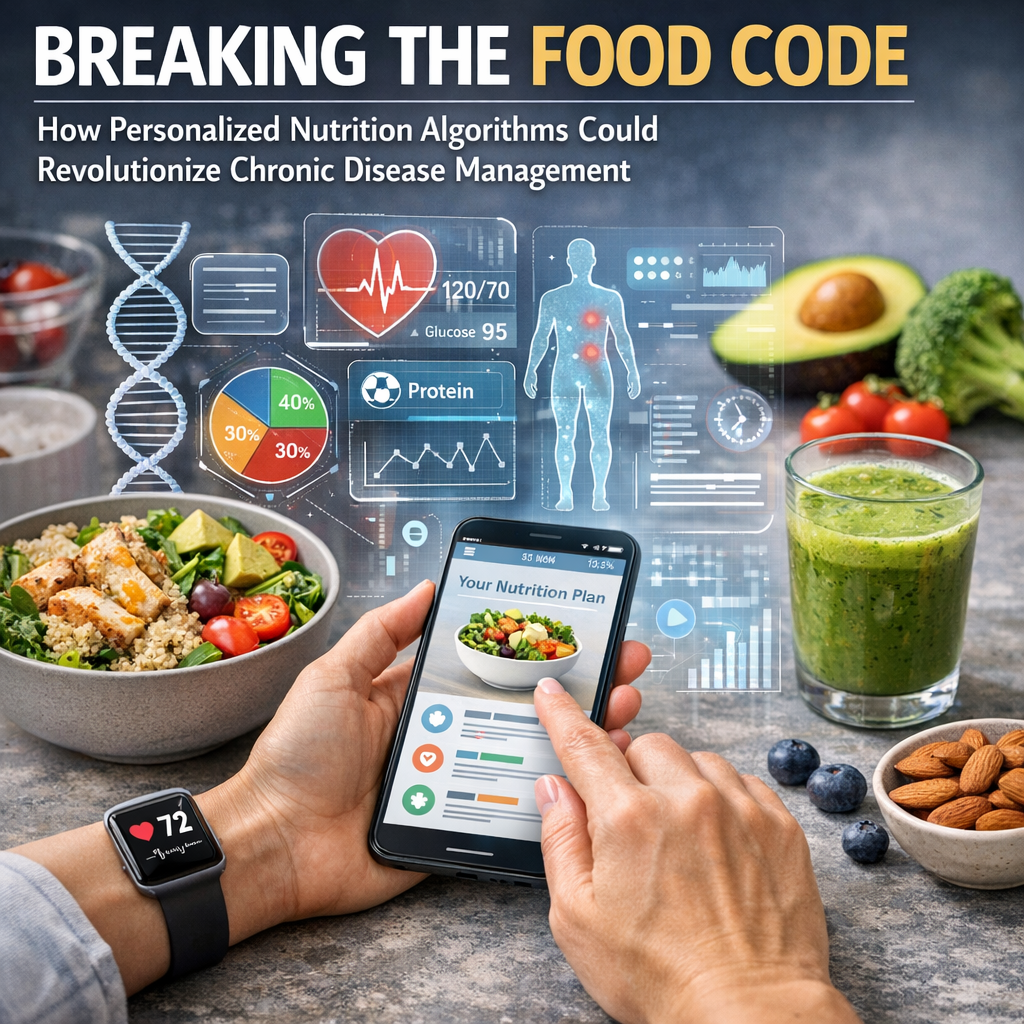
The emerging field of nutrigenomics also plays a crucial role in elucidating the gut-metabolic axis. Studies suggest that individual genetic variations can influence how dietary components affect microbiota composition and, subsequently, metabolic health ([Nutritional Genomics article link](https://academic.oup.com/ajcn/article/104/6/1604/4564685)). Understanding these genetic interactions paves the way for personalized nutrition strategies, harnessing the gut-metabolic axis to prevent or manage metabolic disorders naturally. For instance, genetic testing can help identify specific food intolerances or nutrient deficiencies, guiding individuals toward more effective dietary choices tailored to their unique genetic makeup.
Conclusion: Embracing Nature in Navigating Metabolic Health
The exploration of the gut-metabolic axis heralds a new era in nutrition science, with implications that extend beyond traditional dietary approaches. By focusing on gut health, individuals have the opportunity to address metabolic dysfunction through enhanced dietary practices, natural supplementation, and lifestyle modifications. The dynamic interplay between dietary choices, gut microbiota, and metabolic outcomes illustrates the profound impact of nutrition on health.
In conclusion, the gut-metabolic axis offers a promising pathway for natural interventions in metabolic diseases, reshaping how we perceive and implement nutrition science. Consumers and healthcare professionals alike can benefit from this knowledge, advocating for integrative strategies that harness the therapeutic potential of gut microbiota. As research continues to advance in this field, the future of metabolic health could become increasingly personalized, preventive, and natural, grounded in the science of the gut-metabolic axis.
Concise Summary:
The gut-metabolic axis is a critical area of research in nutrition science, focusing on the connection between gut microbiota and metabolic health. Imbalances in gut microorganisms can contribute to disorders like obesity and type 2 diabetes. Dietary choices, emphasizing prebiotics, probiotics, and fiber-rich foods, greatly influence gut health and metabolic regulation. Emerging studies suggest significant potential for natural interventions like herbal teas and fermented foods. Additionally, the field of nutrigenomics offers insights into personalized nutrition strategies based on individual genetics, further emphasizing the potential of the gut-metabolic axis in managing metabolic conditions.

Dominic E. is a passionate filmmaker navigating the exciting intersection of art and science. By day, he delves into the complexities of the human body as a full-time medical writer, meticulously translating intricate medical concepts into accessible and engaging narratives. By night, he explores the boundless realm of cinematic storytelling, crafting narratives that evoke emotion and challenge perspectives.
Film Student and Full-time Medical Writer for ContentVendor.com