Breaking the Food Code: How Personalized Nutrition Algorithms Could Revolutionize Chronic Disease Management
Introduction
In the ever-evolving landscape of healthcare, the integration of technology with nutrition offers a promising frontier: personalized nutrition algorithms. As we grapple with the chronic disease epidemic—think diabetes, cardiovascular diseases, and obesity—the focus on diet has never been more critical. Standard dietary guidelines, though helpful, often lack the precision needed to address individual health nuances. Here is where personalized nutrition steps in, propelled by innovative algorithms that tailor diets to individual needs, potentially revolutionizing chronic disease management.
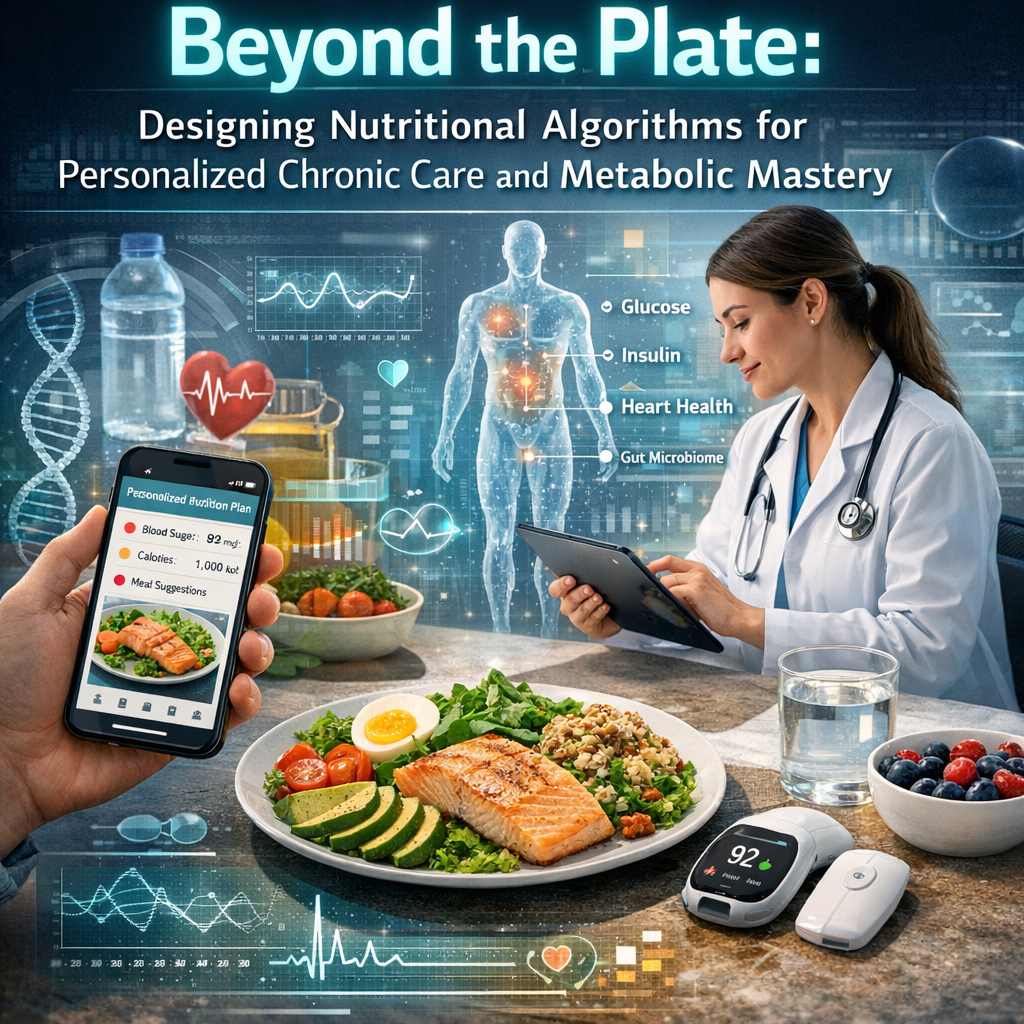
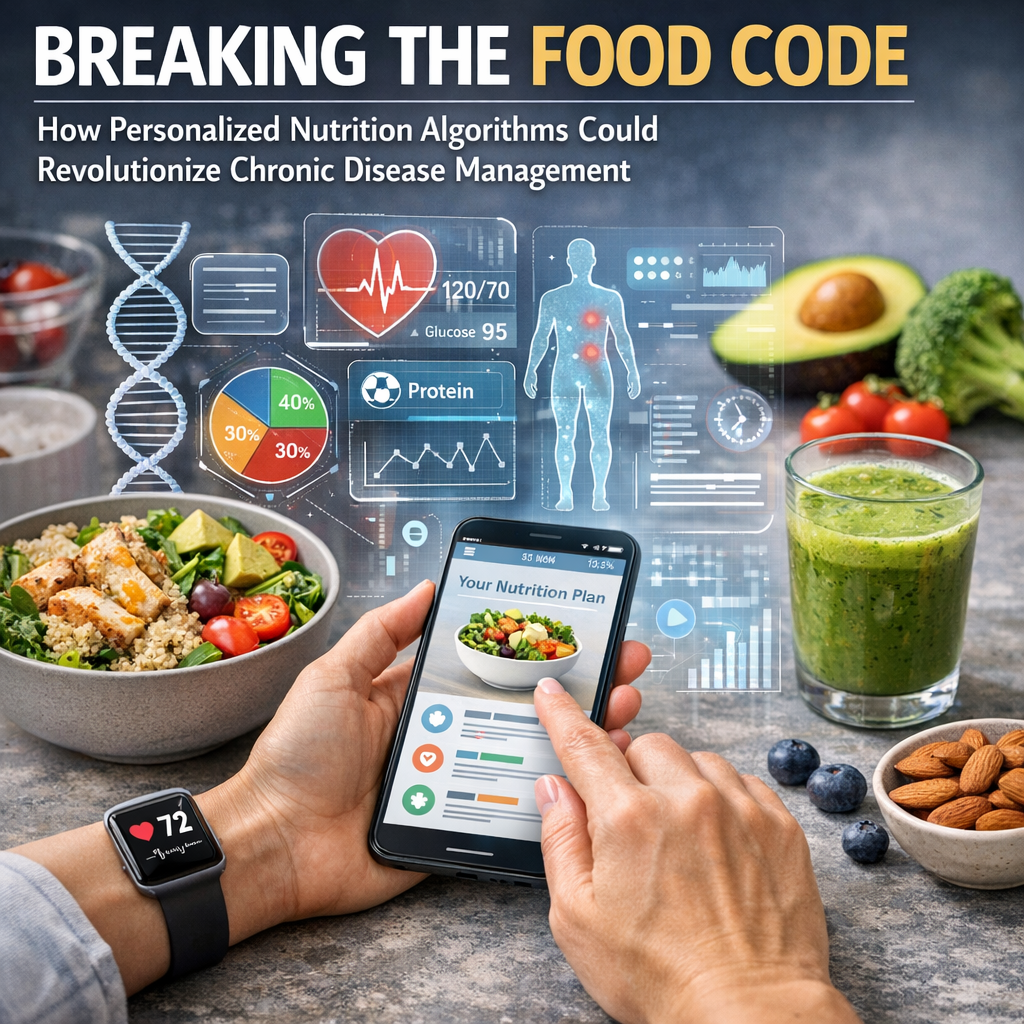
The premise of personalized nutrition is both simple and profound. By analyzing an individual’s genetic makeup, lifestyle, microbiome composition, and even real-time health data, these algorithms propose dietary recommendations that are specific to each person. Imagine an app that, after a quick scan using a wearable or a brief questionnaire, delivers a meal plan that assists in controlling blood sugar levels, optimizing metabolism, and reducing inflammation.
At its core, personalized nutrition acknowledges that there is no one-size-fits-all when it comes to diet. For instance, a food that stabilizes blood sugar in one person might spike it in another. This approach is the antithesis of blanket dietary recommendations—it’s nutrition delivered with a precision akin to a bespoke suit. In doing so, it holds the potential to change how we manage chronic diseases fundamentally, offering strategies that are as unique as our fingerprints.
This technology-driven approach aligns well with the increasing interest in natural cures, homeopathic and herbal treatments. For example, an individual predisposed to inflammation might benefit from a custom-tailored diet rich in anti-inflammatory foods like turmeric and ginger. Similarly, someone prone to oxidative stress may require increased intake of foods high in antioxidants, such as berries and dark leafy greens. This mode of nutrition doesn’t replace traditional treatments but adds a powerful tool to the chronic disease management arsenal.
Features
Several professional and scientific studies underscore the potential of personalized nutrition in managing chronic diseases. Research published in [*Nature Genetics* (2018)](https://www.nature.com/articles/s41588-018-0207-4) highlights the role of genetics in influencing individual dietary responses. The study revealed variations in genes responsible for metabolism, indicating that genetic testing can help determine the most effective dietary choices for disease prevention and management.
In another proactive move, the *PREDICT* study, conducted by King’s College London, delved into how individuals respond differently to food. The study included over 1,000 twins and found significant discrepancies in blood sugar, fat, and insulin responses, even when identical meals were consumed. This groundbreaking research emphasizes the need for dietary interventions that consider personal variability rather than generalized guidelines.
Furthermore, the *American Journal of Clinical Nutrition* documents the validity of gut microbiome profiling in personalizing diets. Results indicate that gut bacteria patterns are directly linked to metabolic health and can influence responses to different foods. These findings hold promise for creating diets that not only manage chronic conditions but also prevent their onset through gut microbiome optimization.
Practical applications of these studies are evident in companies like DayTwo and Nutrigenomix. These organizations leverage genetic and microbiome insights to offer personalized dietary recommendations. DayTwo focuses on stabilizing blood sugar levels through microbiome analysis, while Nutrigenomix utilizes genetic data to optimize health through tailored nutrition plans. Their user outcomes illustrate how algorithms can guide more effective nutritional choices, leading to better chronic disease management.
Despite these promising developments, challenges remain. Accessibility and privacy concerns must be addressed to ensure that these personalized diets are both available and secure for all individuals. However, as technology advances, it is likely these hurdles will be overcome, further cementing personalized nutrition’s role in chronic disease management.
Conclusion
The integration of personalized nutrition algorithms in chronic disease management represents a remarkable step forward. By acknowledging individual variability and utilizing cutting-edge technology, these algorithms offer a tailored approach that has the potential to prevent and manage chronic diseases more effectively than ever before. Nutrition becomes not just about sustenance but a powerful tool for health maintenance and disease prevention.
As research continues to support this innovation, we witness a shift towards more personalized healthcare solutions. While traditional medicine remains essential, embracing this new frontier can lead to more comprehensive care strategies. Future developments will ideally make these personalized nutrition solutions more accessible, shaping a public health ecosystem where prevention is as prioritized as the treatment. Embracing this synergy of technology and nutrition may very well be the key to cracking the chronic disease code, offering hope for healthier futures for many.
References
1. Zeevi, D., et al. (2015). [Personalized Nutrition by Prediction of Glycemic Responses. *Cell*](https://www.cell.com/cell/fulltext/S0092-8674(15)01481-6)
2. Zhaoping Li, S. et al. (2020). [The Nutrient–Microbiome Axis in Health and Disease. *Nature Genetics*](https://www.nature.com/articles/s41588-018-0207-4)
3. Berry, S. E., et al. (2020). [Human Postprandial Responses to Food and Potential for Precision Nutrition. *Nature Medicine*](https://www.nature.com/articles/s41591-018-0093-6)
4. Douglas, G. M., et al. (2020). [Multi-omics of the Gut Microbiome in Human Metabolic Health and Disease. *Journal of Clinical Investigation*](https://www.jci.org/articles/view/134859)
Concise Summary
Personalized nutrition algorithms are at the forefront of transforming chronic disease management by tailoring dietary recommendations to individual unique needs derived from genetic, lifestyle, and microbiome data. Unlike one-size-fits-all diets, personalized nutrition delivers precision resembling a bespoke suit, offering potential breakthroughs in managing diseases like diabetes, cardiovascular issues, and obesity. Supported by studies and commercial endeavors like DayTwo and Nutrigenomix, these advancements promise improved chronic disease management, although challenges around accessibility and privacy remain. This synergy of technology and nutrition could be key to preventing and managing chronic diseases, propelling a more personalized approach to healthcare.

Dominic E. is a passionate filmmaker navigating the exciting intersection of art and science. By day, he delves into the complexities of the human body as a full-time medical writer, meticulously translating intricate medical concepts into accessible and engaging narratives. By night, he explores the boundless realm of cinematic storytelling, crafting narratives that evoke emotion and challenge perspectives.
Film Student and Full-time Medical Writer for ContentVendor.com