Nutritional Algorithms: Creating a Personalized Food Strategy through AI-Based Health Profiling
Introduction
In today’s fast-paced world, maintaining a healthy lifestyle is both desired and challenging. The convergence of technology and health sciences has been a game-changer in how we approach nutrition and dietary strategies. Among the most innovative developments in this realm is the use of AI-based health profiling to create personalized food strategies. Gone are the days when generic dietary plans were considered adequate. The era of nutritional algorithms is upon us, promising to revolutionize our understanding of what we eat and how it affects our health.
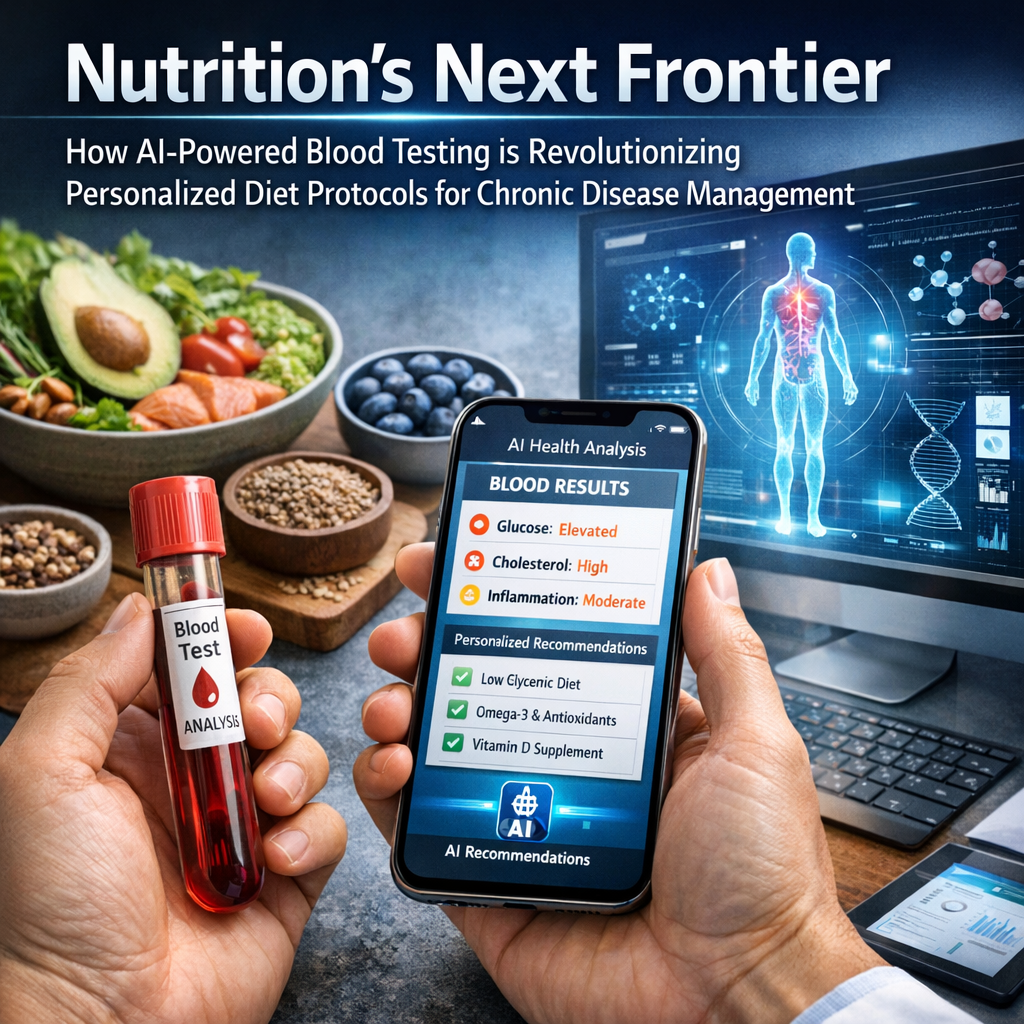
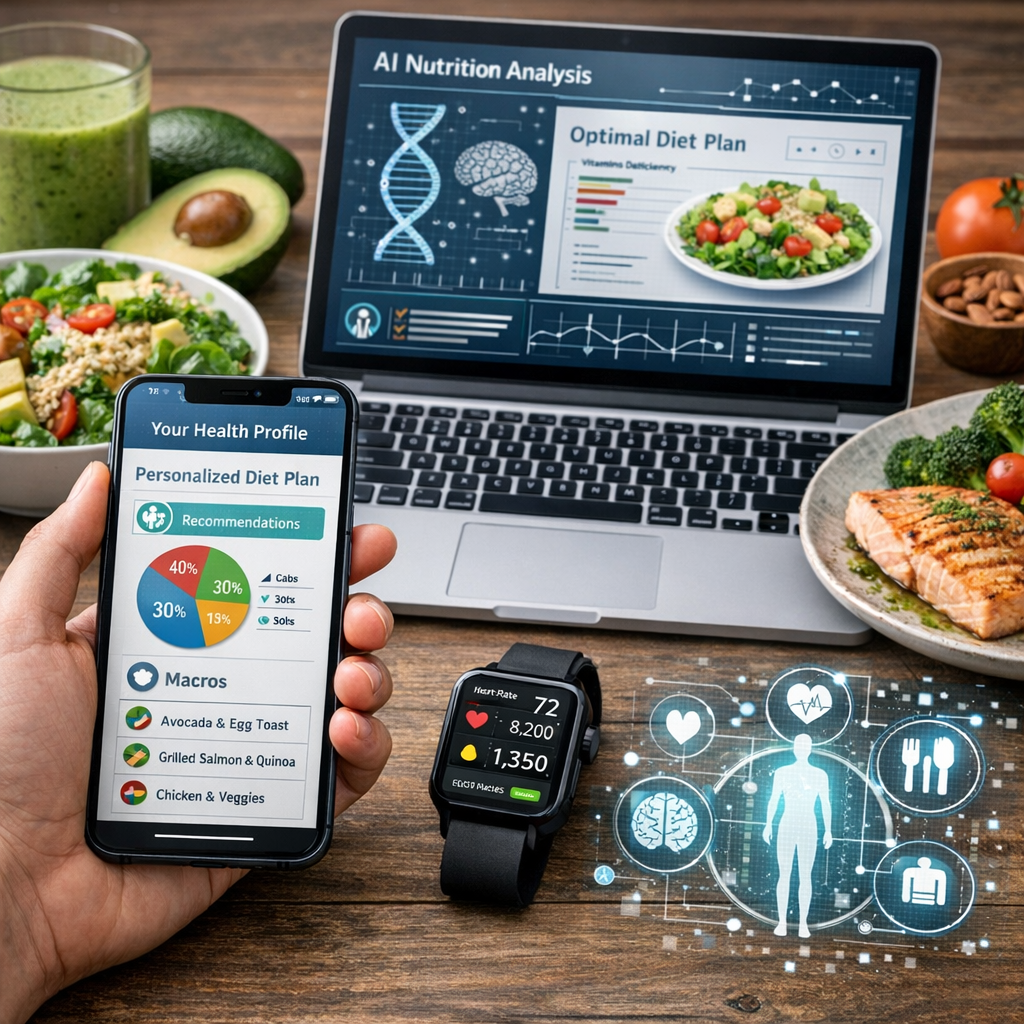
*Artificial Intelligence (AI)* has permeated multiple industries, and its impact on health and nutrition is gaining momentum. This cutting-edge technology enables the analysis of vast datasets to uncover patterns and insights that would be impossible for humans to detect. When applied to health profiling, AI can evaluate individual health markers, lifestyle choices, genetic data, and dietary habits to generate a tailored nutritional plan.
Personalized nutrition is predicated on the notion that each person responds differently to foods and nutrients. Factors such as genetics, gut microbiota composition, and even environmental influences play a role in these varied responses. AI-based systems analyze these parameters for each individual, providing a deep understanding of nutritional needs. This method is not only effective but also efficient, cutting down the trial-and-error process typically associated with conventional diet plans.
Furthermore, AI-powered insights can assist in managing specific health conditions. For example, individuals dealing with chronic diseases like diabetes, cardiovascular issues, or autoimmune disorders can benefit from customized dietary interventions. These interventions consider their unique health profiles, aiming to improve health outcomes by addressing the root cause of dietary challenges.
In addition to individual benefits, AI-based nutritional algorithms have larger implications in public health. By aggregating anonymized data, these systems can identify trends and potential nutritional deficiencies within populations, aiding in the formulation of broad dietary guidelines and interventions that promote overall wellness.
As the integration of AI in health profiling continues to evolve, the potential for personalized nutrition to enhance individual and collective health grows exponentially. This technological advancement empowers individuals to take control of their health in a manner unprecedented in the field of nutrition.
Features
Scientific interest in personalized nutrition has surged in recent years, with numerous studies exploring the role of AI in health profiling. Prominent research has demonstrated the efficacy of AI-driven nutrition in enhancing health outcomes, by tailoring dietary recommendations to suit individual needs.
A pivotal study published in [*Nature*](https://www.nature.com/articles/nature15766) titled “Personalized Nutrition by Prediction of Glycemic Responses” highlighted the variability of individual reactions to food. The research found that our glycemic responses to identical meals can differ significantly, influenced by unique factors such as microbiota composition and lifestyle. This foundational understanding underpins the application of AI, as it can analyze these complex datasets to predict responses and formulate personalized strategies.
Furthering this idea, a study in the [*Journal of Nutrition*](https://academic.oup.com/jn) explored “The Use of Artificial Intelligence to Develop Personalized Dietary Paths”. The authors emphasized AI’s ability to analyze and interpret vast amounts of genetic, microbiome, and phenotype information, allowing for precision nutrition strategies that are specifically tailored to the individual’s health profile. Their research supports the notion that AI-based models can significantly improve dietary interventions by aligning them more closely with the individual’s unmet health needs.
Another significant study published in the [*American Journal of Clinical Nutrition*](https://academic.oup.com/ajcn) analyzed “AI Systems in Nutritional Science: A Review”, showcasing various AI applications in dietary assessments and recommendations. This review highlighted how AI tools can predict disease-risk reduction with nutritional interventions, enhancing precision dietetics’ role in public health initiatives.
Beyond research, companies like Nutrigenomix are exploring the practical application of these technologies. By analyzing DNA samples, AI can create comprehensive reports that guide individuals on nutrient requirements and food tolerances, making personalized dietary recommendations easier to adopt and implement.
Conclusion
The convergence of artificial intelligence with nutrition science is paving new pathways toward optimal health. Nutritional algorithms, driven by AI-based health profiling, offer a personalized approach that considers each individual’s unique biological makeup and lifestyle factors. Unlike conventional one-size-fits-all diets, this progressive approach focuses on precision, aiming to meet the specific needs of individuals at a granular level. This personalized attention not only promises improved health outcomes for individuals but also has the potential to reshape public health strategies by offering a more nuanced understanding of nutritional requirements across populations.
As technology continues to evolve, the future of personalized nutrition looks promising. By harnessing the power of AI, individuals can make informed choices about their diet, empowering them to achieve better health outcomes tailored to their unique physiological profile. With continued advancements and broader implementation, AI-based nutritional strategies will play an integral role in fostering a healthier global population.
Concise Summary
The integration of AI-based health profiling allows for a personalized nutrition approach, considering individual genetics, microbiota, and lifestyle. Studies support AI’s efficiency in formulating tailored nutritional strategies that benefit personal health and assist with chronic conditions like diabetes. Adoption in public health can lead to improved dietary guidelines. Continued advancements indicate a promising future for AI-driven nutritional solutions, enhancing individual and collective health outcomes by providing more precise and effective dietary recommendations.

Dominic E. is a passionate filmmaker navigating the exciting intersection of art and science. By day, he delves into the complexities of the human body as a full-time medical writer, meticulously translating intricate medical concepts into accessible and engaging narratives. By night, he explores the boundless realm of cinematic storytelling, crafting narratives that evoke emotion and challenge perspectives.
Film Student and Full-time Medical Writer for ContentVendor.com