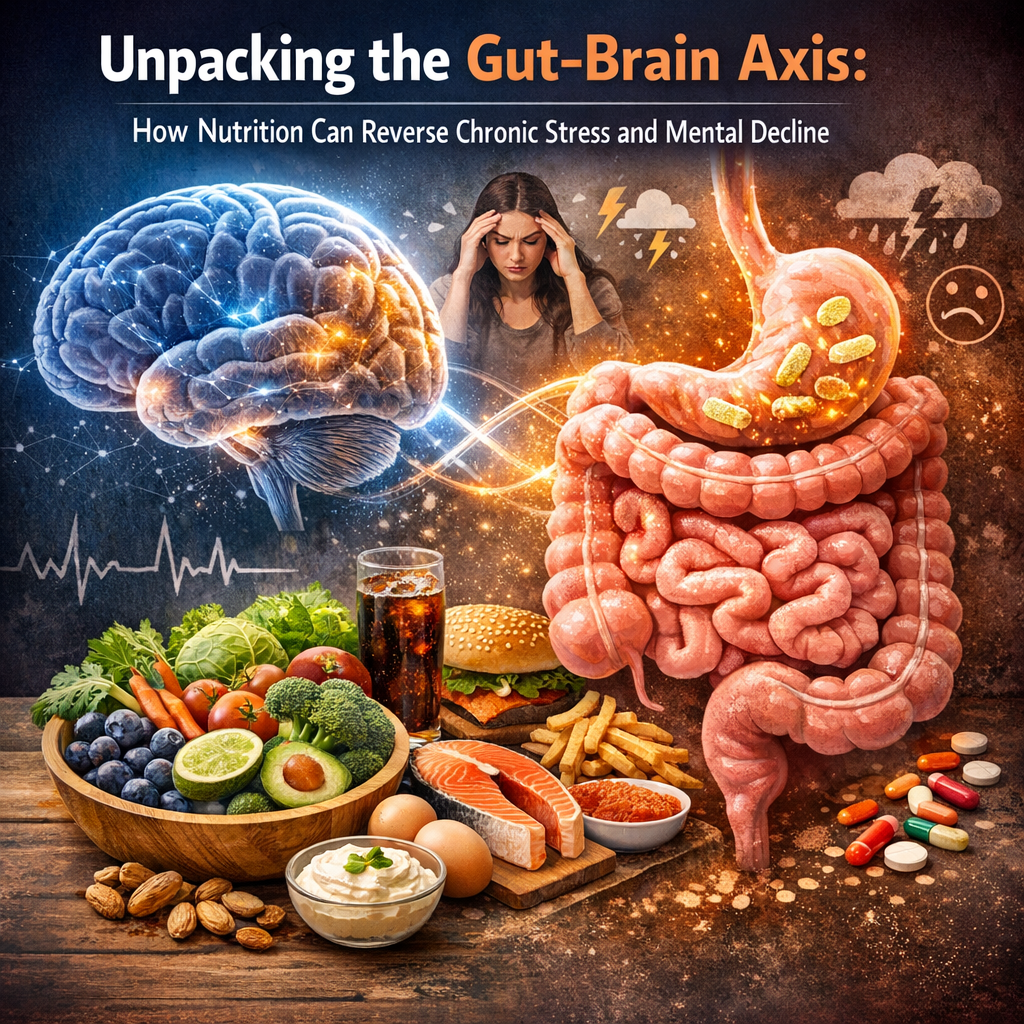
Emerging Contrarian Diets: Debunking Common Myths and Introducing New Paradigms
In today’s fast-paced world, the search for optimal health has led many to explore diets that promise everything from weight loss to increased energy. However, not all diets align with traditional dietary advice. Emerging contrarian diets challenge the status quo and encourage us to rethink our understanding of nutrition and wellness. These diets often gain both advocates and skeptics, partly because they debunk long-held beliefs and introduce new paradigms in nutrition.
Contrarian diets go against conventional dietary guidelines. While mainstream nutrition emphasizes the importance of certain food groups, such as whole grains and low-fat products, these alternative diets may suggest the opposite. For instance, the ketogenic diet, which promotes high-fat and low-carbohydrate intake, has garnered attention due to its potential benefits in weight loss and blood sugar management. Another example is intermittent fasting, which has sparked discussion about the role of meal timing rather than meal composition in health.
These contrarian diets question the blanket application of dietary guidelines, suggesting that a one-size-fits-all approach to nutrition is ineffective. Instead, they advocate for personalized nutrition, emphasizing that dietary needs may vary significantly from person to person based on genetics, lifestyle, and health objectives. This shift in perspective is supported by an increasing body of research that highlights the importance of personalized nutrition in achieving individual health goals and maintaining long-term well-being.
Controversies and Criticism
However, the adoption of contrarian diets is not without controversy. Critics often point out the lack of large-scale, long-term studies supporting some of these dietary approaches. Yet, proponents argue that the benefits of a renewed focus on nutrition, lifestyle, and individualization outweigh the concerns. This presents a unique opportunity to explore diverse nutritional strategies and encourages everyone to engage more deeply with the science of nutrition.
By challenging conventional wisdom, emerging contrarian diets expand the conversation about what it means to eat healthily. They urge us to evaluate our dietary choices critically and keep abreast of new research. Whether these diets are a passing trend or the future of nutrition remains to be seen, but their influence on the discourse of health and wellness is undeniable.
Professional and Medical Studies on Contrarian Diets
Several scientific studies have investigated the effectiveness and implications of contrarian diets. One of the most well-researched is the ketogenic diet. A study published in the [Journal of Clinical Lipidology](https://www.lipidjournal.com/article/S1933-2874(18)30389-9/fulltext) found that the ketogenic diet improved insulin sensitivity and facilitated weight loss in patients with type 2 diabetes. Participants experienced significant improvements in glycemic control, with some reducing or even eliminating their diabetes medications.
Intermittent fasting, another prevalent contrarian diet, has been the subject of numerous scientific inquiries. Research published in [The New England Journal of Medicine](https://www.nejm.org/doi/full/10.1056/nejmra1905136) suggests that intermittent fasting can lead to several health benefits, including improved biomarkers of disease, reduced inflammation, better lipid profiles, and enhancement in cognitive functions. These studies further indicate that the timing of eating can influence metabolic processes, offering a different approach to managing weight and health compared to traditional calorie consumption patterns.
Moreover, personalized nutrition has grown in importance, as supported by research from [Nature Medicine](https://www.nature.com/articles/s41591-019-0410-8). A study highlighted that individual responses to food could vary dramatically, even among identical twins, challenging the notion of universal dietary guidelines. This research emphasizes the significant impact of personalized nutritional advice over generic dietary recommendations, suggesting that detailed genetic, microbiome, and health data could potentially inform more effective dietary interventions.
While these studies provide insights into the potential benefits of contrarian diets, it’s crucial to recognize their limitations. Many experts advocate for caution, citing the need for more extensive, long-duration trials to confirm these findings’ sustainability and safety. Nevertheless, the initial results are promising and contribute to a broader understanding of how diet can be a powerful tool in managing health and disease.
Conclusion
Emerging contrarian diets challenge us to reconsider long-standing dietary beliefs and usher in new paradigms in the nutrition world. By debunking myths and presenting alternative perspectives, they encourage personalized approaches tailored to individual health profiles. Although these unconventional diets are not without skepticism and criticism, the dialogue they inspire prompts a deeper investigation into nutritional science.
As more research is conducted, these contrarian diets may either redefine dietary standards or remain as intriguing experiments in the vast field of nutrition. For now, they serve as a reminder of the complex, evolving relationship between food and health and underscore the importance of staying informed and open-minded about new dietary innovations.
For a well-rounded view on these topics, always consult with healthcare professionals or dietitians before embarking on any significant changes to your diet. Ultimately, nutrition is a personal journey, and finding what works best for you is key to achieving and maintaining health and wellness.
Concise Summary:
Emerging contrarian diets, like the ketogenic diet and intermittent fasting, challenge conventional dietary guidelines by advocating for personalized nutrition based on individual genetics and lifestyles. These diets have sparked both support and skepticism due to their innovative approaches and potential benefits, such as improved weight management and metabolic health. While promising studies support their effectiveness, the lack of extensive long-term research calls for caution. These diets provoke a re-evaluation of traditional nutrition paradigms, spurring further exploration into personalized dietary interventions and their role in achieving optimal health.

Dominic E. is a passionate filmmaker navigating the exciting intersection of art and science. By day, he delves into the complexities of the human body as a full-time medical writer, meticulously translating intricate medical concepts into accessible and engaging narratives. By night, he explores the boundless realm of cinematic storytelling, crafting narratives that evoke emotion and challenge perspectives.
Film Student and Full-time Medical Writer for ContentVendor.com