Decode Your DNA for Personalized Nutritional Therapy: The Future of Food as Medicine
In recent years, the burgeoning field of personalized nutrition is radically transforming how we think about health, wellness, and longevity through food. Lying at the intersection of genomics and nutritional science, personalized nutritional therapy uses an individual’s DNA to tailor dietary recommendations that best suit their unique genetic makeup. This innovative approach is an integral part of the burgeoning trend known as “food as medicine,” where nutrition is viewed as a pivotal tool in disease prevention and management.
The premise behind personalized nutritional therapy is straightforward yet profound. Our genetic codes provide a detailed blueprint of how our bodies function, including how we metabolize nutrients, our propensity towards certain diseases, and even our food preferences and intolerances. Understanding these genetic predispositions makes it possible to customize dietary strategies to enhance health outcomes. As research continues to unveil the complex interactions between genes, nutrients, and our overall health, it has become increasingly clear that a one-size-fits-all dietary approach might not be the most efficacious. Personalized nutrition allows individuals to receive dietary advice that aligns more closely with their biological needs, potentially leading to better adherence to healthier eating patterns.
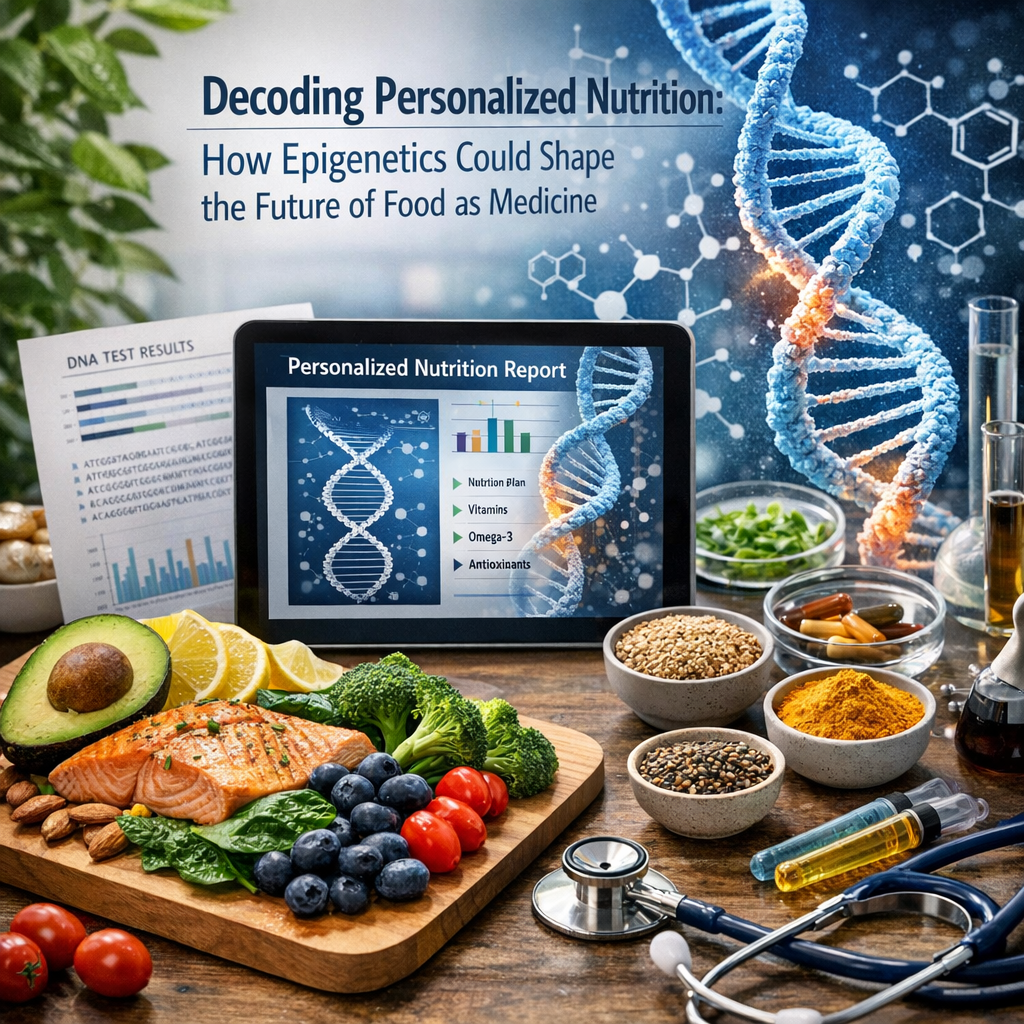
There are several pioneering companies and research initiatives dedicated to advancing personalized nutrition. These entities offer DNA testing kits that analyze specific genetic markers associated with nutrition and health. Once the DNA is decoded, individuals receive insights into how their bodies respond to various nutrients and are provided with tailored nutritional recommendations. This approach not only enhances the effectiveness of dietary interventions but can also significantly improve adherence to healthier eating patterns, as individuals are equipped with a plan distinctly suited to their biological needs.
Moreover, personalized nutrition isn’t just about addressing deficiencies or avoiding allergens—it’s about optimizing the nutrition landscape to boost performance, energy levels, mental clarity, and even mood. By leveraging the power of genomics, food can become a powerful ally in managing chronic conditions like diabetes, obesity, and cardiovascular diseases, fostering an era where dietary interventions could potentially rival pharmaceuticals in disease prevention and management.
Features: Professional and Medical Studies
The field of nutrigenomics, which investigates the relationship between an individual’s genome, nutrition, and health, has been at the forefront of personalized nutrition studies. A landmark study published in the [Journal of the American Medical Association](https://jamanetwork.com/) showed that personalized dietary advice based on DNA and biomarkers resulted in greater changes in dietary habits compared to conventional dietary advice.
Another significant research effort was the “Food4Me” project, a large-scale European study that examined the impact of personalized nutrition over conventional nutrition advice. The findings revealed that individuals who received DNA-based dietary recommendations were more effective at improving their diets than those who followed general guidelines. This clearly underscores the potential of personalized nutrition in fostering lasting behavioral change, paving the way for improved health outcomes.
Moreover, a study from [Stanford University School of Medicine](https://med.stanford.edu/news.html) involved a randomized trial where participants were grouped into either a low-fat or low-carbohydrate diet based on their genotypes related to carbohydrate and fat metabolism. The results indicated that diet-genotype interaction significantly affected weight loss outcomes.
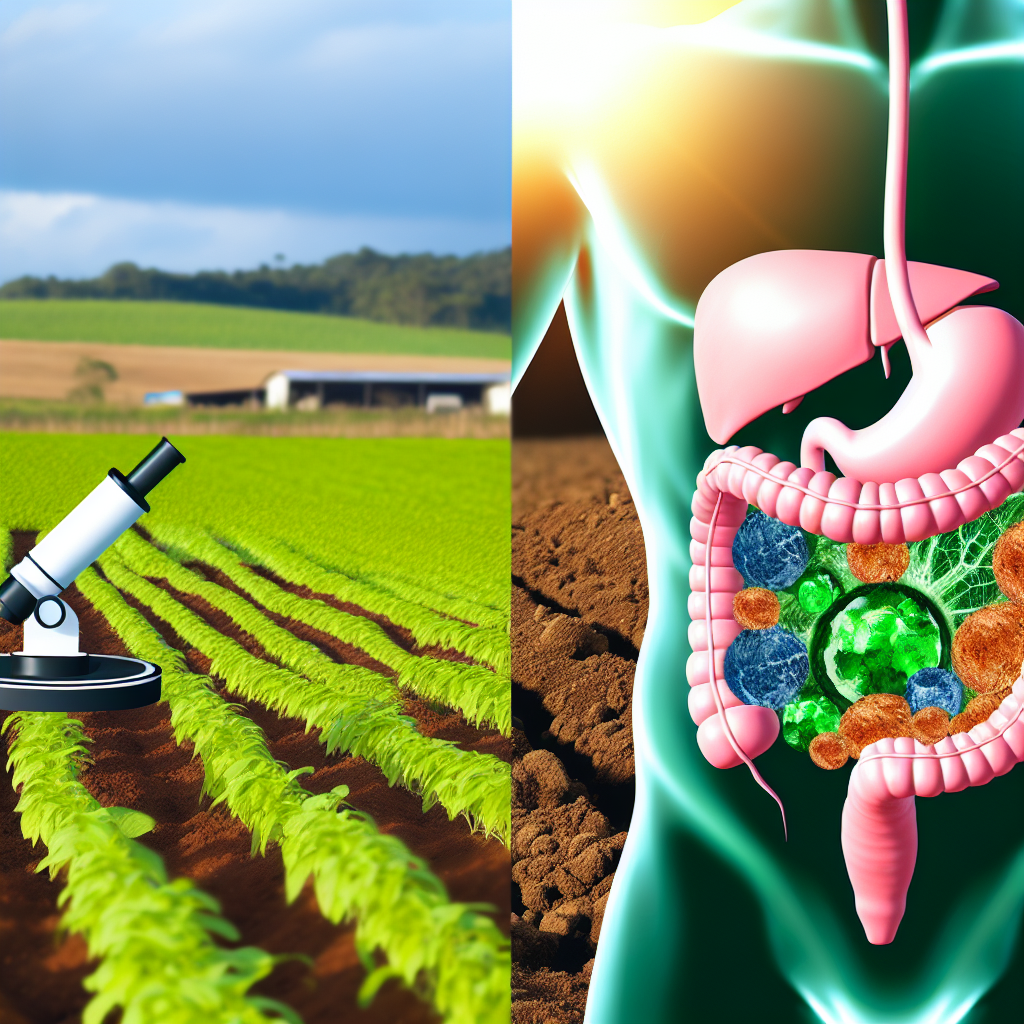
The National Institutes of Health (NIH) have also been instrumental in supporting research into the implications of nutrigenomics, emphasizing genetic research as a critical factor in understanding personalized nutrition. Their studies have shown how specific genes influence vitamin D, caffeine metabolism, and even gut microbiota, which play pivotal roles in personalized nutritional approaches.
Despite these promising outcomes, experts in the field advise caution. They emphasize the importance of continued research to deepen the understanding of genome-diet interactions and their effects on long-term health. Nonetheless, these studies represent significant progress in personalized nutrition and underscore the potential for DNA-informed dietary recommendations as an essential component of modern healthcare.
Conclusion
The possibilities offered by decoding one’s DNA for personalized nutritional therapy are vast and promising. As society moves towards embracing food as medicine, this targeted approach marks a shift from generic dietary recommendations to strategies that align with individual genetic profiles. By empowering consumers with knowledge specific to their genetic make-up, personalized nutrition has the potential to optimize health, prevent disease, and enhance overall well-being. This is particularly transformative in managing or mitigating chronic diseases that plague a significant portion of the population.
However, the journey of understanding and applying DNA-based dietary advice is ongoing. While scientific advances continue to unfold, collaboration between researchers, healthcare providers, and policymakers will be crucial to ensure these genomic insights are accessible, ethical, and beneficial for all. By embracing this future of food as medicine, we have the opportunity to harness the intricate interplay between genes and nutrition, ultimately paving the way for a healthier, more personalized tomorrow.
Concise Summary
Personalized nutritional therapy is revolutionizing health care by using DNA to tailor dietary plans. This approach leverages genomics to understand how individual genetic codes affect nutrient metabolism and disease susceptibility. Studies like the “Food4Me” project and those by the NIH support its efficacy, revealing improved diet outcomes through DNA-based advice. This innovative therapy not only addresses deficiencies and allergens but also aids in managing chronic diseases like diabetes and obesity. Though promising, it requires ongoing research and collaboration to ensure ethical, accessible application, aligning with the growing focus on food as medicine.

Dominic E. is a passionate filmmaker navigating the exciting intersection of art and science. By day, he delves into the complexities of the human body as a full-time medical writer, meticulously translating intricate medical concepts into accessible and engaging narratives. By night, he explores the boundless realm of cinematic storytelling, crafting narratives that evoke emotion and challenge perspectives.
Film Student and Full-time Medical Writer for ContentVendor.com