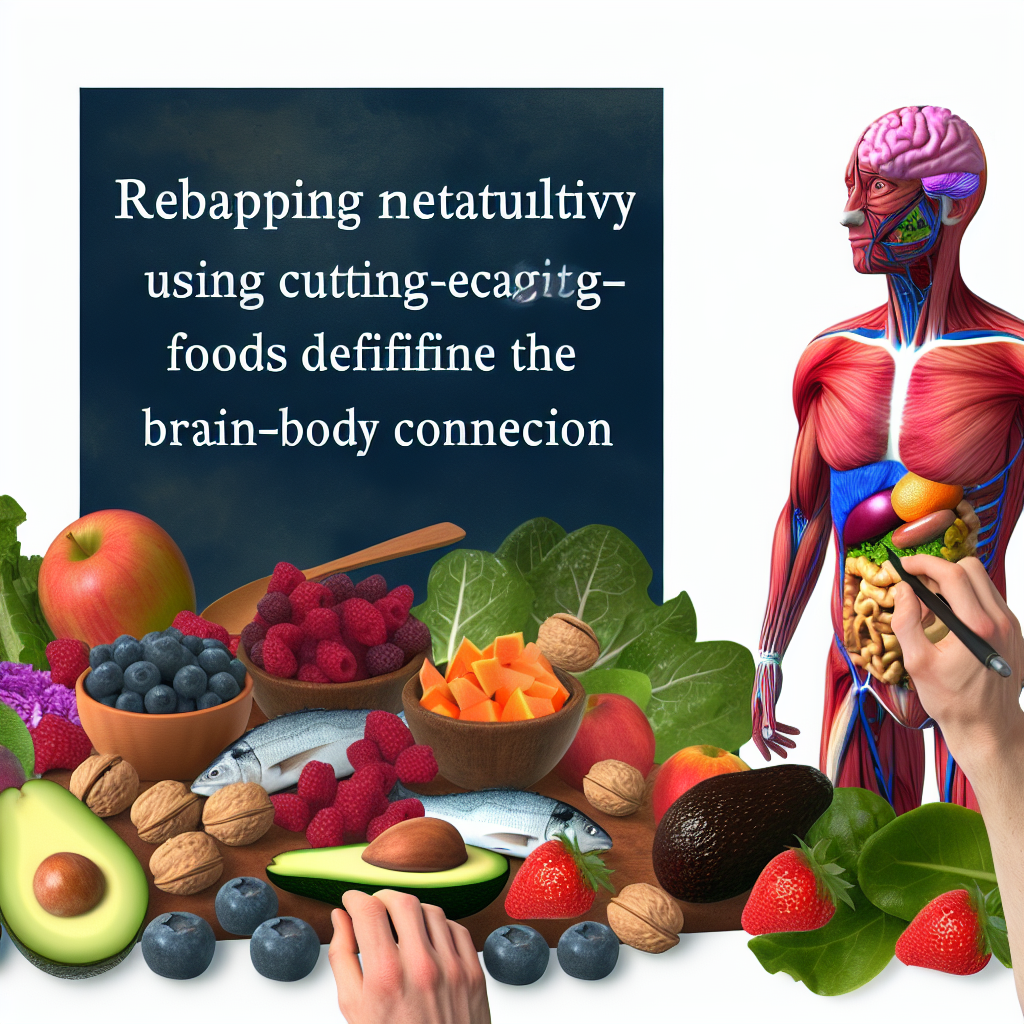
Revamping Metabolism: Cutting-Edge Foods That Redefine Brain-Body Connection
Introduction
In a world increasingly focused on health and wellness, our understanding of metabolism has evolved from simple calorie counting to a more holistic grasp of the brain-body connection. This new perspective suggests that diet not only fuels the body but also enhances mental and emotional well-being. Many are seeking ways to revitalize metabolism while boosting cognitive functions through natural cures, homeopathic remedies, and herbal treatments, which help improve communication pathways between the brain and the body.
The foundation of metabolic health is a dynamic balance: our food choices can either fuel this connection or hinder it, affecting both our physical and mental vitality. Modern foods promise more than just energy; they offer a way to restructure how our brains and bodies interact. This involves understanding adaptogens, antioxidants, and brain-friendly fats. By choosing foods that target cellular health, we could potentially boost neurotransmitter production, support stress resilience, and enhance focus and mood.
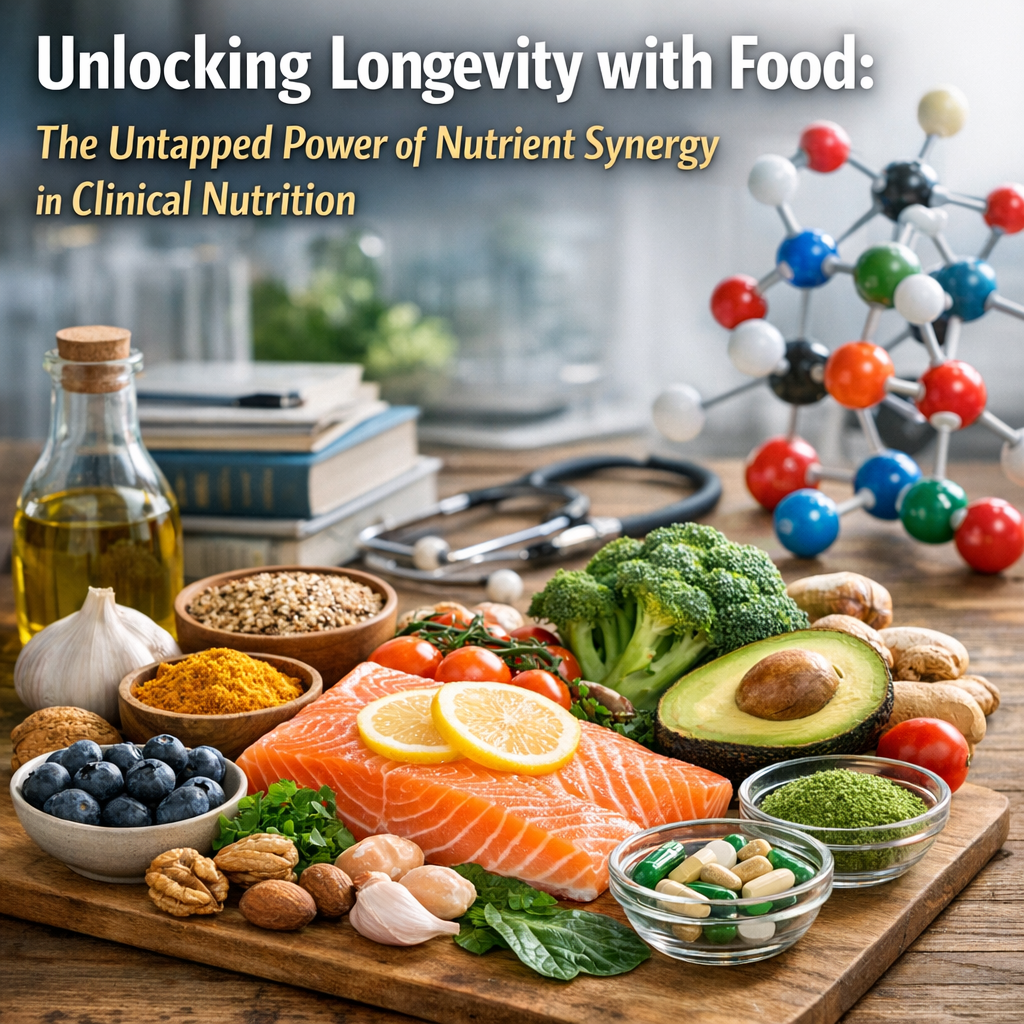
Consider the omega-3 fatty acids in salmon, which are known not only for their heart health benefits but also for their ability to enhance brain function and mood. Turmeric, with its active compound curcumin, shows anti-inflammatory benefits that can improve brain health and enhance metabolism. Mushrooms like lion’s mane and cordyceps are celebrated in Eastern medicine for boosting mental clarity and physical energy. These foods support both metabolic and neurological health.
As you explore foods that reinforce your brain-body connection, you are redefining what nourishment means. Whether through ancient herbs or modern studies on metabolically enriching foods, understanding this connection lets you transform not only your diet but also your lifestyle.
Features
Emerging research highlights the significant influence of specific foods on the brain-body connection. A study in the American Journal of Clinical Nutrition indicates that a plant-based diet can enhance brain function due to high levels of antioxidants, flavonoids, and folic acid ([source](https://academic.oup.com/ajcn)). These compounds, found in fruits, vegetables, nuts, and teas, reduce oxidative stress in the brain and facilitate better neural communication.
The Journal of Neuroinflammation discusses how turmeric, especially curcumin, reduces neural inflammation, a common precursor to metabolic disorders and cognitive decline. Curcumin’s ability to cross the blood-brain barrier helps support neuronal health and enhances metabolic processes ([source](https://jneuroinflammation.biomedcentral.com/articles/10.1186/s12974-020-01729-0)).
Research in the International Journal of Medicinal Mushrooms confirms that lion’s mane mushrooms stimulate the development of nerve growth factor (NGF), vital for neuron maintenance. This boosts cognitive function, reduces anxiety, and supports energy metabolism ([source](https://www.ijmuscience.com)).
The Journal of Physiology and Biochemistry supports the benefits of omega-3 fatty acids for cognitive performance and metabolic efficiency. Omega-3s improve neuronal membrane fluidity, synaptic plasticity, and neurotransmitter pathways, benefiting both brain and metabolism ([source](https://www.springer.com/journal/13105)).
Conclusion
In the intersection of nutrition and neurobiology, the foods you consume can redefine your relationship with your body and mind. Choosing specific nutrients and compounds that enhance metabolism and cognitive health paves the way for a life filled with energy, clarity, and balance. Acknowledging the brain-body connection in diet is more than a trend; it’s a move toward holistic health.
Foods like fatty fish, turmeric, and mushrooms are more than meals; they are medicinal allies in your quest for vitality. Integrating these foods into your diet, or exploring them as natural treatments, represents a meaningful step in boosting your metabolism and mental acuity. With mindful eating, the potential for a more integrative approach to health is within reach.
Concise Summary: The article discusses the evolving understanding of metabolism as a critical brain-body connection factor. Instead of simple calorie counting, this perspective views diet as a way to enhance both physical and mental well-being. Foods like omega-3-rich salmon, curcumin-containing turmeric, and medicinal mushrooms such as lion’s mane offer routes to improve metabolism and cognitive functions. Scientific studies back these benefits, emphasizing how these foods can influence brain health and metabolic efficiency, encouraging a holistic approach to health.

Dominic E. is a passionate filmmaker navigating the exciting intersection of art and science. By day, he delves into the complexities of the human body as a full-time medical writer, meticulously translating intricate medical concepts into accessible and engaging narratives. By night, he explores the boundless realm of cinematic storytelling, crafting narratives that evoke emotion and challenge perspectives.
Film Student and Full-time Medical Writer for ContentVendor.com