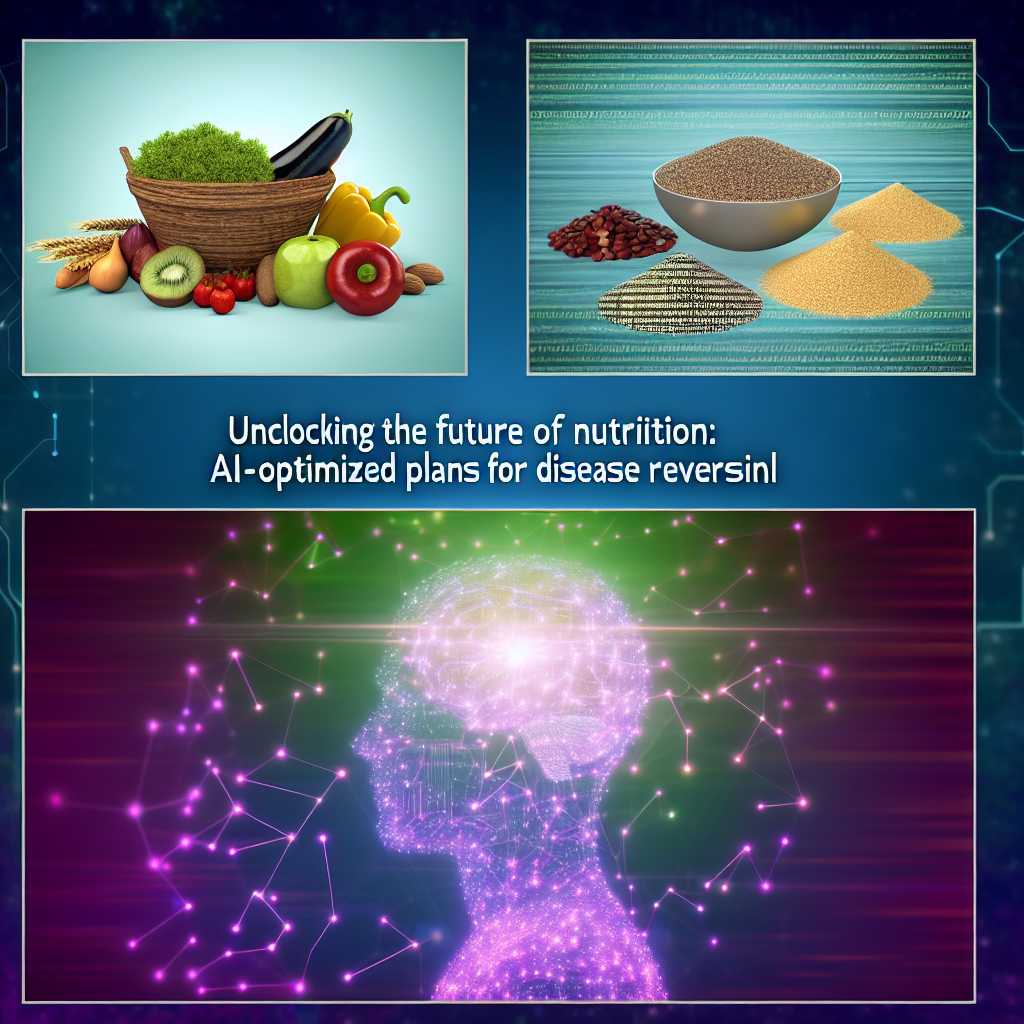
Unlocking the Future of Nutrition: AI-Optimized Diet Plans for Disease Reversal
In recent years, there has been a dramatic shift in how we approach health and nutrition. As chronic diseases remain a significant cause of morbidity and mortality worldwide, the focus has moved from treatment to prevention and reversal. Among the contemporary advancements in healthcare, AI-optimized diet plans are emerging as a revolutionary tool, unlocking the potential for personalized nutrition plans that can significantly impact disease outcomes. This intersection of technology and nutrition signals a promising frontier in the quest for optimal health.
As we grapple with an increasing prevalence of conditions such as diabetes, heart disease, and obesity, the demand for individualized solutions has reached a critical point. The one-size-fits-all diet model is gradually giving way to precision health approaches. Artificial Intelligence (AI), with its unparalleled ability to process vast amounts of data, offers a novel means of tailoring diet plans that not only cater to individual preferences but also optimize health outcomes. By analyzing variables like genetic makeup, microbiome composition, and activity levels, AI can craft diet plans designed to reverse disease processes.
The implications of this technology are profound. Imagine a world where dietary recommendations are so precisely tuned to your personal physiological requirements that the risk factors for chronic illnesses can be significantly diminished. Experts in nutrition and AI are working together to refine these systems, creating algorithms that understand human health in ways previously thought impossible. By blending traditional dietary knowledge with cutting-edge AI technology, we stand at the cusp of a nutritional revolution that might redefine how we approach disease prevention and management forever.
As we delve deeper into the mechanics and benefits of AI-optimized diet plans, it is crucial to understand how these technological advancements are rooted in scientific research and significant studies, underscoring their potential to transform healthcare.
Features: Scientific Insights into AI-Optimized Diet Plans
AI-optimized diet plans draw on a wealth of scientific research to offer groundbreaking solutions for disease reversal. One pivotal study published in the journal [Nature Medicine](https://www.nature.com/articles/nm.4034) showcased AI’s potential in personalizing nutrition. Researchers found that AI could predict glycemic responses to various foods better than traditional dietary advice. This ability to personalize recommendations means AI-driven diets can better manage blood sugar levels, crucial in conditions like diabetes.
Another fundamental area of interest is the gut microbiome, which plays a critical role in health and disease. A study in [Cell](https://www.cell.com/fulltext/S0092-8674(16)31273-X) highlighted how dietary changes could beneficially alter microbiome composition, influencing disease outcomes. AI can analyze microbiome data to suggest dietary interventions that promote a healthier gut, supporting the reversal of autoimmune and metabolic diseases.
Moreover, the incorporation of genetic data into diet planning is gaining traction. The emerging field of nutrigenomics explores how individual genetic variation influences dietary responses. By integrating AI with genetic information, it becomes possible to tailor diet plans that align with one’s genetic predispositions, reducing the likelihood of illnesses linked to genetic vulnerabilities. A study in the [Journal of Nutrigenetics and Nutrigenomics](https://www.karger.com/Journal/Home/261929) established the groundwork for using genetic data in dietary planning, showing promising results in risk reduction for cardiac diseases.
These insights open up a new dimension in nutrition science, where AI doesn’t just tailor for preferences but aligns with cutting-edge scientific evidence to promote health and longevity.
Conclusion
The integration of AI in nutrition planning is more than just a trend—it’s a promising shift towards a future where personalized healthcare is the norm. AI-optimized diet plans represent a pivotal advancement in our ability to reverse and prevent diseases by leveraging technology to understand and optimize human biology uniquely. As this technology continues to evolve, it holds the potential to significantly reshape the fabric of dietary advice, making chronic illnesses less burdensome and more manageable. The future holds the promise of AI-guided nutritional pathways that transcend traditional limits, offering hope for a healthier, disease-reduced society.
As consumers and healthcare providers alike grow more adept at harnessing these tools, society can expect a change in the landscape of health management. We are moving towards a world where not just the symptoms but the very nature of chronic diseases can be rewritten by strategic, individually tailored nutritional interventions created with the aid of sophisticated AI systems. This marks an exciting time in nutritional science, flourishing at the intersection of technology and health.
Concise Summary:
AI-optimized diet plans are revolutionizing nutrition by offering personalized solutions to combat chronic diseases like diabetes, heart disease, and obesity. Through advanced data analysis of genetic, microbiome, and activity variables, AI tailors diet plans that can potentially reverse disease processes. Grounded in scientific research and innovative studies, this technology aims to shift health management from symptom treatment to prevention and reversal, promising a healthier society by leveraging personalized healthcare.
Reference Hyperlinks:
– [Nature Medicine Study](https://www.nature.com/articles/nm.4034)
– [Cell Study](https://www.cell.com/fulltext/S0092-8674(16)31273-X)
– [Journal of Nutrigenetics and Nutrigenomics](https://www.karger.com/Journal/Home/261929)

Dominic E. is a passionate filmmaker navigating the exciting intersection of art and science. By day, he delves into the complexities of the human body as a full-time medical writer, meticulously translating intricate medical concepts into accessible and engaging narratives. By night, he explores the boundless realm of cinematic storytelling, crafting narratives that evoke emotion and challenge perspectives.
Film Student and Full-time Medical Writer for ContentVendor.com