How AI-Powered Nutrigenomics Will Revolutionize Chronic Disease Management
Introduction
In the rapidly evolving landscape of healthcare, the integration of technology and scientific discovery is fundamentally reshaping how we approach chronic disease management. Nutrigenomics, the study of the interaction between nutrition and genes, is emerging as a powerful field with the potential to revolutionize our understanding and treatment of chronic diseases. When combined with Artificial Intelligence (AI), nutrigenomics offers unprecedented opportunities to personalize nutrition and anticipate disease patterns.
Chronic diseases such as diabetes, cardiovascular disease, and cancer are major global health challenges, often linked to lifestyle and dietary factors. Traditional treatment methods have generally focused on one-size-fits-all approaches, emphasizing symptom management rather than addressing underlying causes. AI-powered nutrigenomics could turn this model on its head, offering individualized prevention and treatment strategies for chronic conditions.
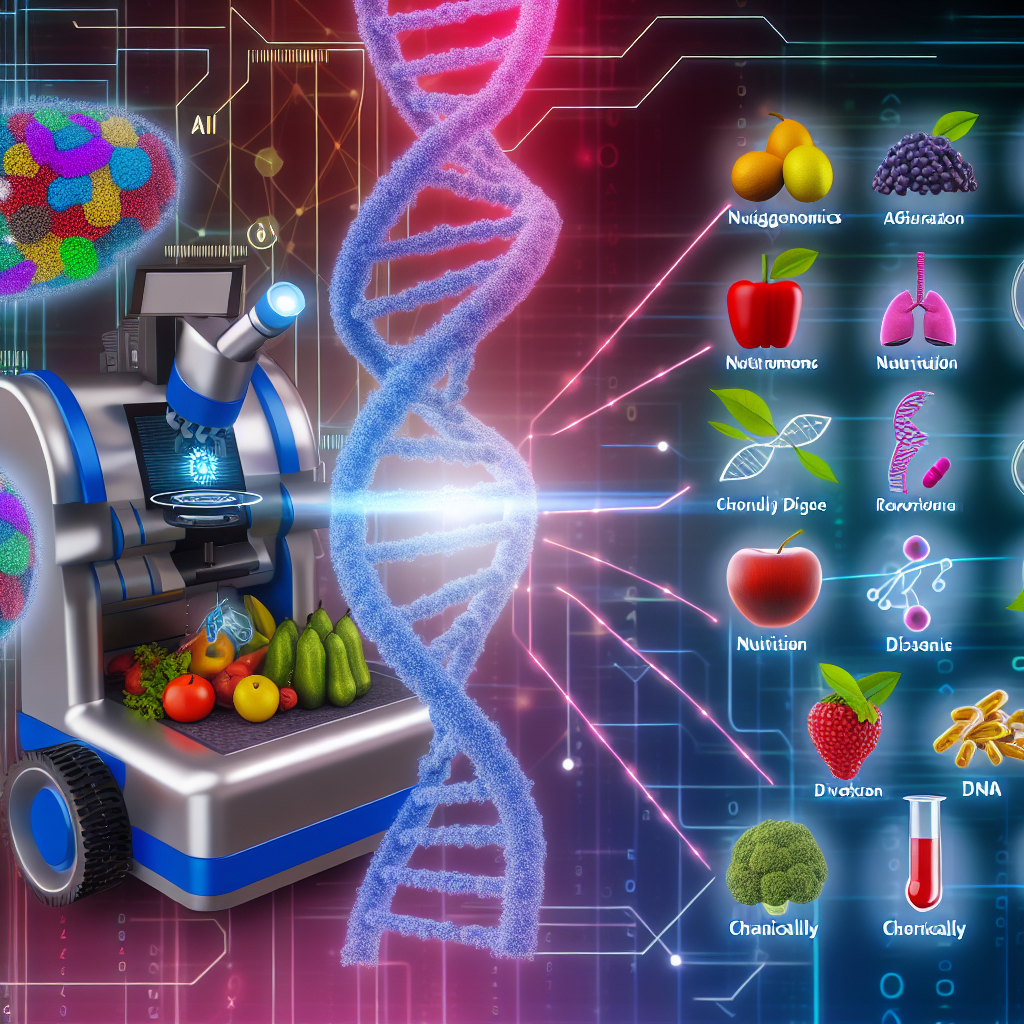
AI systems, with their capacity to process vast amounts of data quickly and accurately, are ideally suited to deciphering the complex patterns of genetic information and nutritional requirements. Leveraging machine learning algorithms and bioinformatic tools, AI can analyze a person’s genetic makeup alongside their dietary habits, lifestyle, and even their environment, to suggest personalized nutritional interventions. This level of customization is unprecedented and represents a shift towards more precise and effective healthcare solutions.
Research indicates that many chronic diseases stem from genetic susceptibilities that are exacerbated by poor diet and lifestyle choices. By identifying these susceptibilities early, AI-driven nutrigenomics can potentially mitigate disease progression or even prevent onset entirely through tailored dietary recommendations. Moreover, this integration provides healthcare professionals with actionable data, ensuring that interventions are both evidence-based and finely adapted to individual needs.
The potential impact of AI-powered nutrigenomics reaches beyond individual health. On a broader scale, it could contribute significantly to public health strategies, reducing the global burden of chronic diseases and lowering healthcare costs by shifting the focus from reactive to preventive care.
Features
Recent years have seen an explosion of research at the intersection of AI, nutrigenomics, and chronic disease management. A landmark study published in the journal Nature emphasized the role of personalized nutrition as a significant component of precision medicine. Researchers demonstrated that nutritional genomics, powered by machine learning, could accurately predict glucose responses in individuals, leading to more personalized dietary recommendations for managing blood sugar levels and reducing the risk of diabetes.
Another pivotal study by Stanford University explored how AI can identify optimal diets tailored per individual by integrating genetic data analysis with lifestyle assessments. This research highlighted AI’s ability to go beyond simple dietary guidelines, offering nuanced insights into how specific foods interact with an individual’s unique genetic makeup to influence health outcomes.
Further, a European research initiative, the LIPGENE project, investigated the effects of tailored dietary interventions on individuals predisposed to the metabolic syndrome. Their findings highlighted AI-driven personalized nutrition’s potential to significantly improve metabolic markers and reduce disease progression risks. The integration of AI in this context allowed for the handling of complex datasets, thus facilitating the translation of genetic information into practical dietary advice.
Moreover, AI is being utilized to accelerate discoveries in nutrigenomics research. For example, AI models are employed to identify potential nutrients that may beneficially interact with specific genes related to chronic disease predisposition, significantly expediting the experimental phase and delivering quicker insights (Source: Bioinformatics Journal).
As these studies illustrate, the application of AI technologies in nutrigenomics provides a robust framework for developing precision nutrition strategies tailored for chronic disease management. These innovations could lead to revolutionary shifts in healthcare delivery by empowering both clinicians and patients with detailed, personalized dietary guidance backed by rigorous scientific analysis.
Conclusion
The integration of AI in nutrigenomics is set to be transformative for chronic disease management, promising to move healthcare toward a more personalized and preventive model. By offering tailored nutritional insights based on an individual’s genetic makeup, AI-powered strategies have the potential to significantly reduce the prevalence of chronic diseases and improve patient outcomes. These advances not only benefit individuals but also hold great promise for global public health efforts, aiming to curb the escalating costs and burdens associated with chronic diseases.
As research continues, the scope of AI-powered nutrigenomics will likely expand, opening up new possibilities for understanding the complex interactions between diet, genetics, and health. By bridging technology and biology, this innovative approach marks a significant step forward in our capacity to address some of the most pressing health challenges of our time. The future of healthcare is undoubtedly moving towards more personalized, informed, and effective strategies, with AI-powered nutrigenomics leading the charge.
Concise Summary
AI-powered nutrigenomics is transforming chronic disease management by integrating personalized nutrition solutions based on individual genetic profiles. This approach shifts from traditional, generalized treatment strategies to highly personalized, preventive measures. By analyzing vast datasets, AI can identify genetic susceptibilities and recommend tailored dietary interventions to mitigate or prevent diseases like diabetes and cardiovascular conditions. This innovation could drastically improve patient outcomes and reduce healthcare costs, marking a significant advance in precision medicine and public health. As research progresses, AI-nutrigenomics will continue to redefine our understanding of the diet-health-gene interplay.

Dominic E. is a passionate filmmaker navigating the exciting intersection of art and science. By day, he delves into the complexities of the human body as a full-time medical writer, meticulously translating intricate medical concepts into accessible and engaging narratives. By night, he explores the boundless realm of cinematic storytelling, crafting narratives that evoke emotion and challenge perspectives.
Film Student and Full-time Medical Writer for ContentVendor.com