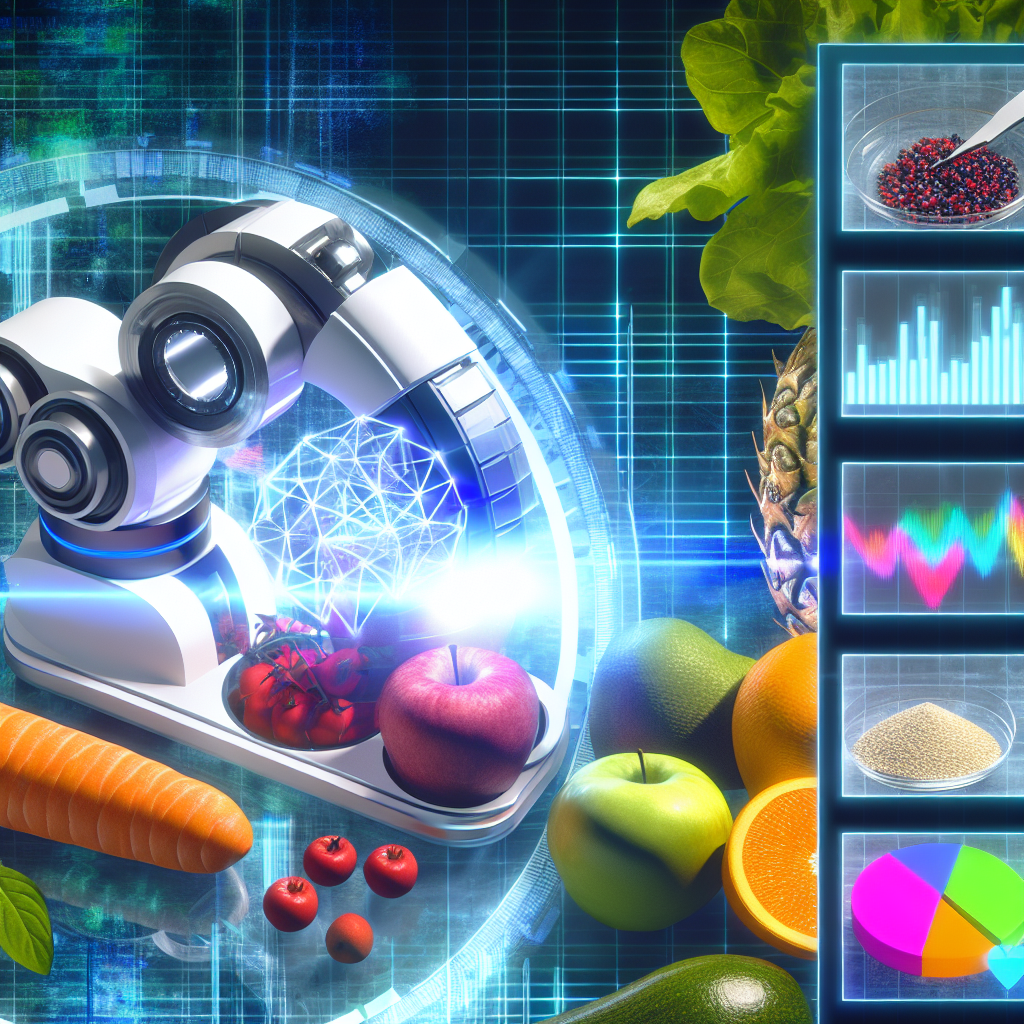
Uncovering the Future of Nutrition: How Machine Learning Is Revolutionizing Personalized Dietary Frameworks
Introduction
In today’s fast-paced world, personalized nutrition is emerging as a pivotal approach to achieving optimal health outcomes. The burgeoning capability of machine learning (ML) is now harnessing the power of big data to transform how individuals plan their diets, therefore revolutionizing personalized dietary frameworks. This innovative intersection of technology and nutrition allows for a deeper, more accurate understanding of a person’s nutritional needs, thus enabling more precise dietary recommendations.
Traditionally, dietary recommendations have been primarily derived from broad guidelines aimed at the general population. While useful, these guidelines often fail to account for the uniqueness of individual metabolic responses, genetic backgrounds, lifestyle preferences, and health goals. This one-size-fits-all approach is now being challenged by advancements in machine learning, a subset of artificial intelligence that processes vast amounts of data to identify patterns and make predictions. Machine learning analyzes diverse data sources—such as genetic information, microbiome composition, personal health records, and lifestyle factors—to generate nuanced insights that cater to individual dietary needs.
As the prevalence of chronic diseases like obesity, diabetes, and cardiovascular disorders escalates, the demand for personalized nutrition solutions grows. Consumers are increasingly seeking natural cures and herbal treatments that align with their specific health conditions and wellness goals. Machine learning presents a game-changing solution, providing individuals and healthcare professionals with the ability to craft personalized dietary plans that not only focus on healing but also on holistic wellness. The integration of this technology allows the incorporation of natural and homeopathic treatments into personalized frameworks, aligning dietary components with individual responses for enhanced efficacy.
Fundamentally, personalized nutrition supported by machine learning is about optimizing health through tailor-made dietary strategies that anticipate and accommodate individual variability. As these technologies evolve, they hold the potential not only to redefine nutritional sciences but also to promote lasting lifestyle changes that could substantially reduce healthcare costs and improve overall quality of life. In this article, we delve into professional and medical studies elucidating the promising applications and future directions of machine learning in creating personalized dietary frameworks.
Features
Recent studies highlight the transformative role machine learning plays in personalizing nutrition. Research published in Nature demonstrated that integrating machine learning models with personalized data—such as individuals’ genetic, phenotypic, and nutritional information—can precisely predict metabolic responses to food. The study utilized algorithms to analyze how different individuals metabolize specific nutrients, thereby guiding the design of optimized diets tailored to their unique needs. You can read more about this study [here](https://www.nature.com/articles/s41591-019-0509-mo).
Another notable research project, featured in the Journal of Nutrition, explored how machine learning models can leverage microbiome data to provide personalized dietary recommendations that enhance gut health. By predicting how dietary interventions influence gut bacteria, these models can suggest dietary changes that optimize microbiome health, contributing to improved digestion, immunity, and mental health. Further details can be found [here](https://jn.nutrition.org/content/150/4/555.full).
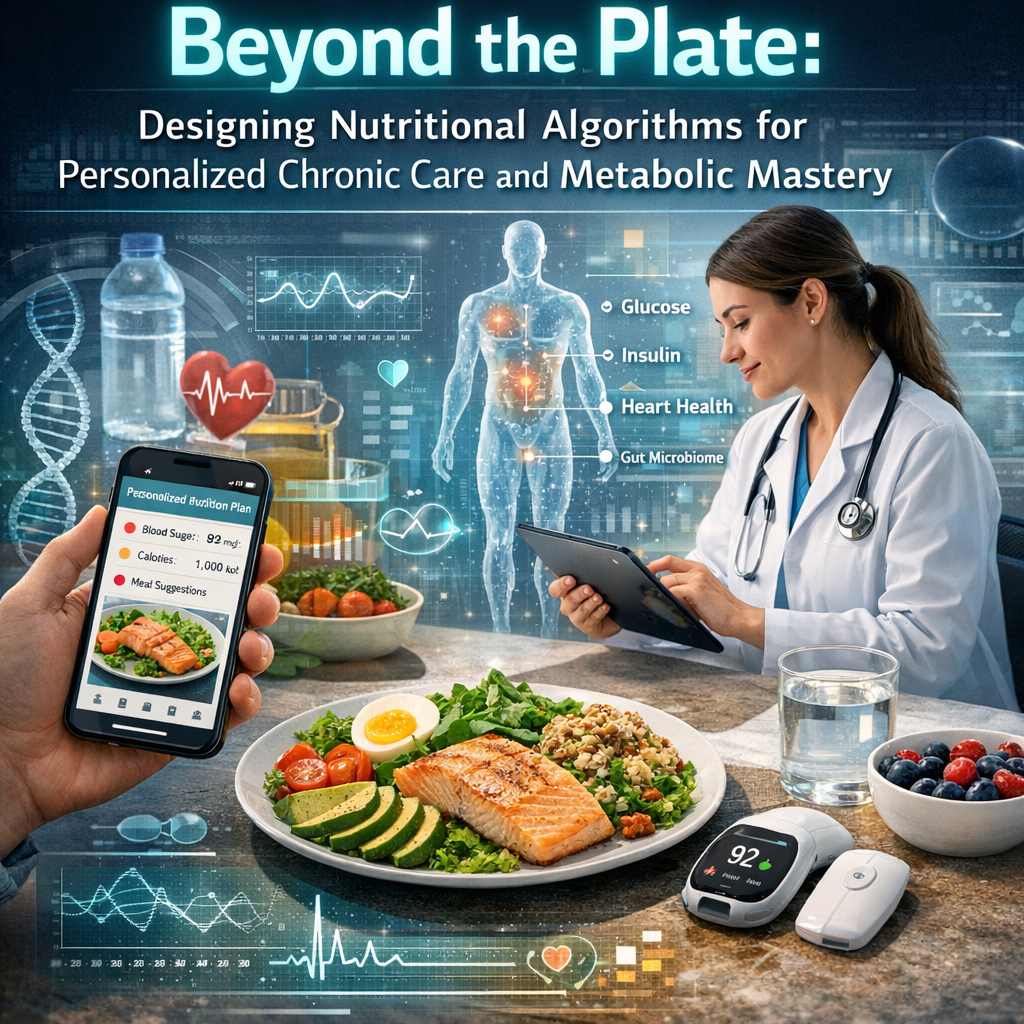
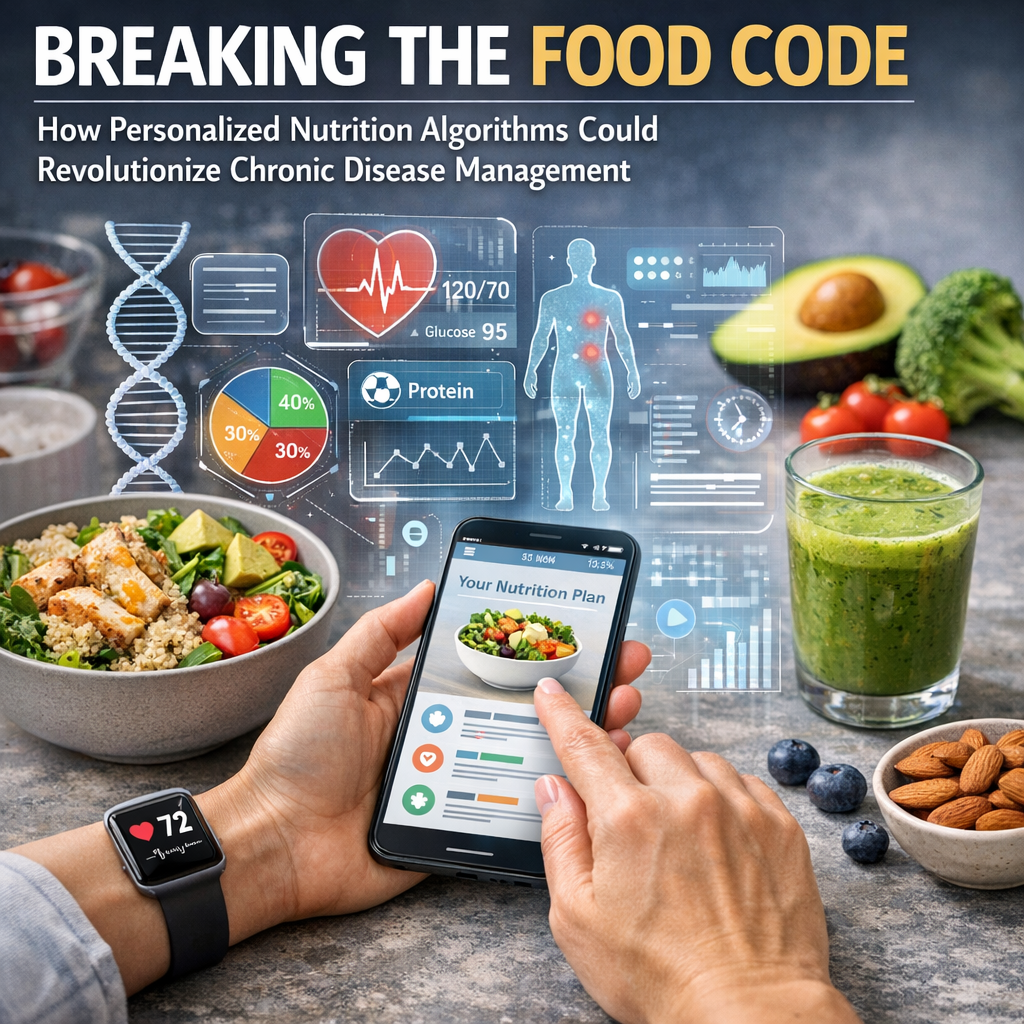
Machine learning has also been instrumental in assessing and integrating data from wearable devices and mobile health applications. These technologies track real-time biometrics such as glucose levels, physical activity, and heart rates. By analyzing this data, machine learning algorithms can provide immediate dietary adjustments and long-term strategic recommendations, supporting ongoing health improvements. Read more about this application [here](https://www.cell.com/joule/fulltext/S2542-4351(21)00237-X).
Furthermore, a study in the International Journal of Environmental Research and Public Health indicated that machine learning models could successfully predict individual responses to natural and herbal treatments when combined with dietary interventions. The data-driven insights can analyze patient histories with homeopathic treatments alongside machine learning’s predictive capabilities to determine the most effective, personalized treatments for individuals. Access this study [here](https://www.mdpi.com/journal/ijerph).
These studies underscore the potential of machine learning to unravel complex relationships between diet, lifestyle, and health, making practical and personalized nutrition plans more accessible than ever before. As research progresses, integrating machine learning into nutrition and healthcare stands to personalize treatments that cater to the body’s unique mechanisms, fostering a more individualized approach to dietary wellness.
Conclusion
Machine learning is revolutionizing the landscape of personalized nutrition, moving beyond generic dietary recommendations to finely-tuned strategies that are responsive to the complexities of individual human variability. By harnessing vast datasets and cutting-edge analytical techniques, this approach not only fosters personalized dietary insights but also integrates natural cures and homeopathic treatments into dietary plans tailored for each individual. As more advanced computational models are developed, the autonomous adaptation of nutritional practices is anticipated to become an integral facet of preventative healthcare, emphasizing holistic lifestyles rather than symptom management.
The synergistic relationship between technology and nutrition promises to unlock new realms of dietary understanding, ensuring that personalized nutrition continues to evolve in alignment with scientific discovery and consumer health aspirations. Today’s consumers and healthcare systems stand on the brink of a nutritional revolution, empowered by machine learning to cultivate not just the future of dietary frameworks, but ultimately, the future of health itself.
Concise Summary:
Machine learning is transforming personalized nutrition by leveraging big data and artificial intelligence to create dietary plans that account for individual variability, including metabolism, genetics, and lifestyle. This advanced approach promises to address rising chronic diseases while integrating natural treatments. By predicting metabolic responses and optimizing gut health with algorithms, machine learning enables precise dietary recommendations. As technology progresses, these innovations are expected to personalize healthcare, promote holistic wellness, and reduce costs, heralding a new era in nutrition science and health management.

Dominic E. is a passionate filmmaker navigating the exciting intersection of art and science. By day, he delves into the complexities of the human body as a full-time medical writer, meticulously translating intricate medical concepts into accessible and engaging narratives. By night, he explores the boundless realm of cinematic storytelling, crafting narratives that evoke emotion and challenge perspectives.
Film Student and Full-time Medical Writer for ContentVendor.com