Anti-Candida Diet – Yeast Overgrowth Protocol
Introduction
In recent years, awareness has grown about the impact of gut health on overall wellbeing. One condition that has drawn attention, particularly among those experiencing digestive issues, fatigue, brain fog, and chronic infections, is Candida overgrowth.
Candida is a genus of yeasts that naturally exist in harmony with other microbes in the body—especially in the mouth, intestines, and on the skin. However, when internal balance is disrupted—due to factors such as a high-sugar diet, frequent antibiotic use, or weakened immune function—Candida albicans, the most common species, can multiply excessively and cause dysbiosis.
An overgrowth of this yeast can contribute to numerous symptoms including bloating, indigestion, recurrent yeast infections, skin rashes, sinus issues, and mood imbalances. While mainstream medicine may occasionally overlook these signs unless infections are overt, functional and integrative practitioners emphasize a nutritional strategy.
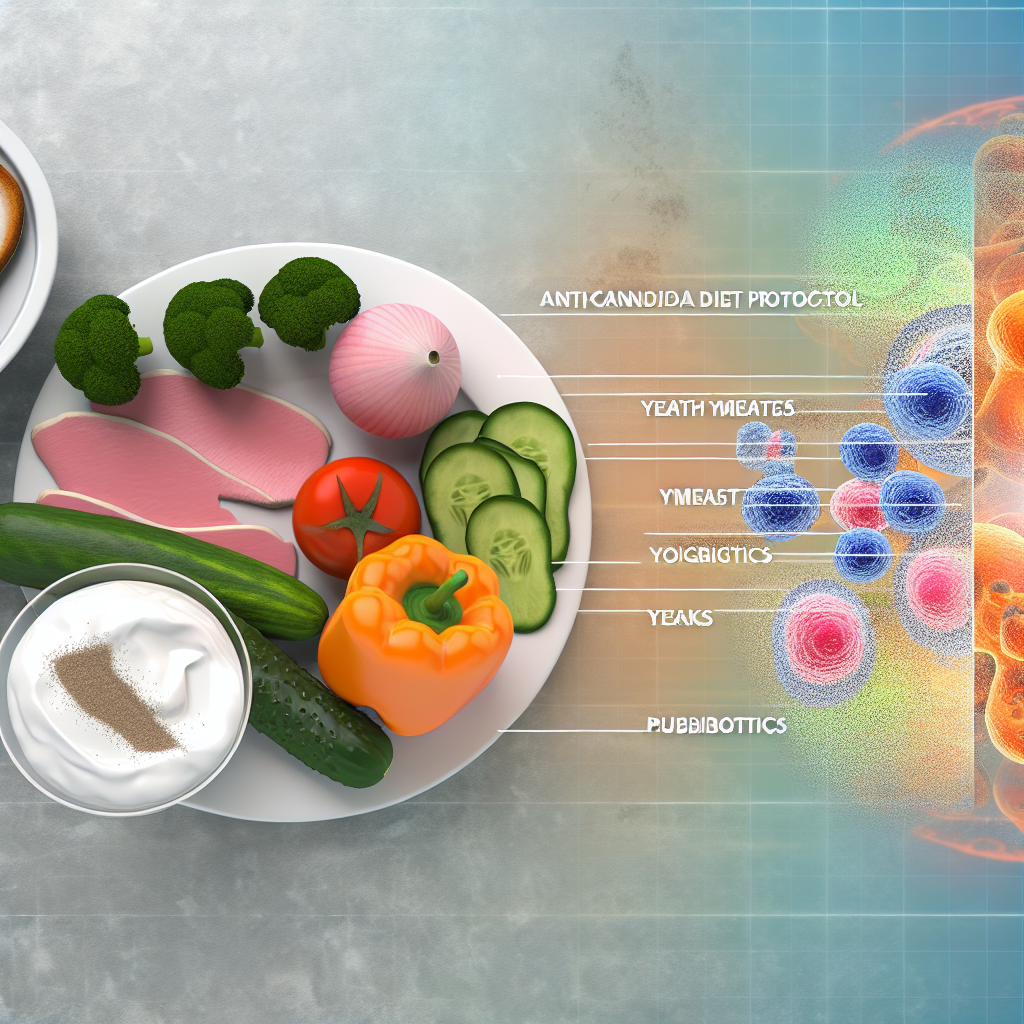
The Anti-Candida Diet is a holistic nutritional protocol that removes yeast-promoting elements (like sugars, refined grains, and alcohol) and instead promotes healing foods. These include leafy greens, non-starchy vegetables, lean proteins, fermented foods, and herbs known for their antifungal abilities, like garlic and oregano.
This protocol helps “starve” the yeast while enriching the body with nutrients and bacteria that create a healthy, resilient gut ecosystem. It often includes natural antifungal supplements like caprylic acid, pau d’arco, and berberine. Unlike temporary symptom relief, this approach seeks to resolve root causes—supporting immune function and reducing inflammation long-term.
Whether you’re experiencing unexplained health symptoms or simply want to build a robust microbiome, this diet is a well-rounded, evidence-supported tool that promotes systemic healing and balance.
Scientific & Medical Features Supporting the Anti-Candida Diet
Modern research reveals a strong link between our dietary habits, gut microbiota, and the potential for Candida overgrowth. A key principle of the Anti-Candida Diet is significantly reducing sugar intake. According to a study in the journal Critical Reviews in Microbiology (2015), Candida albicans uses glucose as fuel, and this stimulates overgrowth and the creation of protective biofilms that make the yeast harder to eliminate. [Source](https://www.tandfonline.com/doi/abs/10.3109/1040841X.2014.958050)
Another major factor is antibiotic use. As antibiotics destroy harmful bacteria, they also wipe out beneficial strains that help regulate yeast. A review in PLOS ONE highlights how this microbial disturbance creates ideal conditions for opportunistic Candida species to thrive. [Source](https://journals.plos.org/plosone/article?id=10.1371/journal.pone.0073173)
Fortunately, science backs the use of probiotics to restore intestinal balance. A trial published in Microbiome (2018) found that daily probiotic supplementation could reduce Candida colonization in individuals with a disrupted microbiome, particularly after antibiotic use. [Source](https://microbiomejournal.biomedcentral.com/articles/10.1186/s40168-018-0514-9)
Additionally, natural antifungal agents like garlic and oregano oil contain powerful compounds such as allicin, carvacrol, and thymol. A 2014 study in Frontiers in Microbiology showed that carvacrol in oregano oil was remarkably effective in disrupting Candida biofilms and minimizing growth while sparing friendly bacteria. [Source](https://www.frontiersin.org/articles/10.3389/fmicb.2014.00273/full)
The diet also encourages plant-based polyphenols, found in foods like green tea and turmeric. Research in the journal Nutrients (2016) found that these compounds help suppress harmful yeast while promoting beneficial microbes, contributing to overall gut resilience. [Source](https://www.mdpi.com/2072-6643/9/1/61)
The cumulative evidence suggests that the Anti-Candida Diet is more than a passing trend. It’s a comprehensive, science-backed nutritional protocol that addresses Candida imbalances through root-cause resolution—restoring microbial diversity, reducing inflammation, and rebalancing internal ecosystems.
Conclusion
Candida overgrowth remains a multifaceted health challenge that can affect a wide range of bodily systems. However, through strategic dietary changes, it becomes a condition that’s both manageable and reversible.
The Anti-Candida Diet is a structured program that minimizes sugar and yeast feed, incorporates antifungal foods and herbs, and supports the microbiome with probiotics and nutrients. With consistent application, many individuals report clearer skin, improved digestion, better energy, and enhanced mental clarity.
Perhaps its greatest strength lies in its focus on root cause—offering long-term benefits rather than temporary relief. If you suspect you’re dealing with yeast-related symptoms, consulting a professional is recommended. In the meantime, adopting principles of this diet—even in phases—can support your body’s natural ability to heal from the inside out.
References
1. Brown, G. D., Denning, D. W., & Levitz, S. M. (2012). “Tackling human fungal infections.” Science Translational Medicine. [Read here](https://www.science.org/doi/10.1126/scitranslmed.3004639)
2. Moyes, D. L., & Naglik, J. R. (2011). “Mucosal immunity and Candida albicans infection.” Clinical & Developmental Immunology. [Read here](https://www.ncbi.nlm.nih.gov/pmc/articles/PMC3124504/)
3. Kumamoto, C. A., & Vinces, M. D. (2005). “Contributions of hyphae and hypha-co-regulated genes to Candida albicans virulence.” Cell Microbiology. [Read here](https://pubmed.ncbi.nlm.nih.gov/15659066/)
4. Zuzarte, M., et al. (2014). “Chemical composition and antifungal activity of the essential oils of Lavandula viridis L’Her.” Frontiers in Microbiology. [Read here](https://www.frontiersin.org/articles/10.3389/fmicb.2014.00273/full)
5. Tarrant, K. E., et al. (2018). “Probiotic yeast versus nystatin for treatment of oral Candida in the elderly.” Microbiome. [Read here](https://microbiomejournal.biomedcentral.com/articles/10.1186/s40168-018-0514-9)
6. Koutsos, A., et al. (2016). “Polyphenols and human gut microbiota: Interactions and biological implications.” Nutrients. [Read here](https://www.mdpi.com/2072-6643/9/1/61)
Concise Summary
The Anti-Candida Diet is a holistic nutrition approach that targets yeast overgrowth by cutting out sugars and refined carbs, supporting beneficial gut bacteria, and incorporating natural antifungals like garlic and oregano. Backed by scientific research, this diet helps relieve symptoms such as digestive discomfort, fatigue, brain fog, and infections linked to Candida imbalance. It emphasizes restoring gut harmony, reducing inflammation, and boosting immunity. With evidence from studies on probiotics, polyphenols, and microbiome health, this protocol presents a sustainable pathway to healing and long-term wellness for those affected by Candida-related health concerns.

Dominic E. is a passionate filmmaker navigating the exciting intersection of art and science. By day, he delves into the complexities of the human body as a full-time medical writer, meticulously translating intricate medical concepts into accessible and engaging narratives. By night, he explores the boundless realm of cinematic storytelling, crafting narratives that evoke emotion and challenge perspectives.
Film Student and Full-time Medical Writer for ContentVendor.com