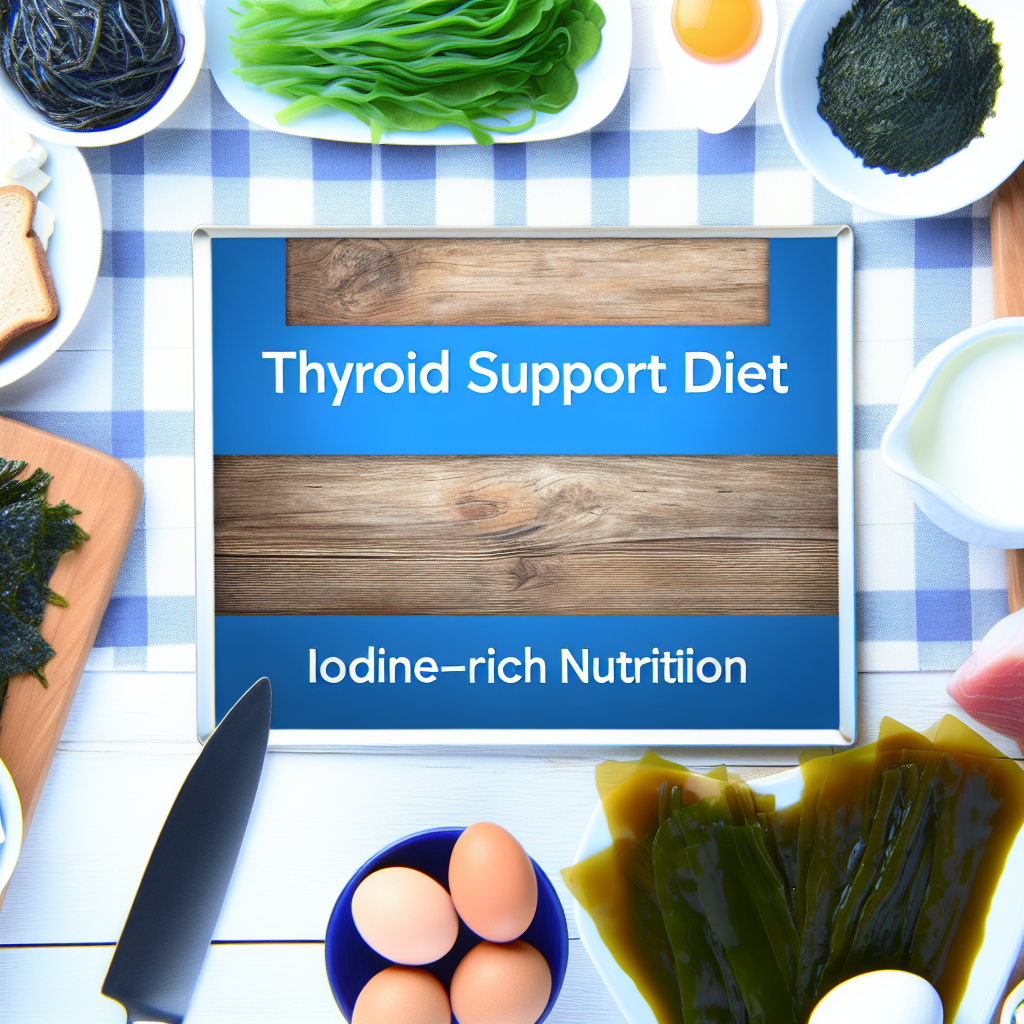
Thyroid Support Diet – Iodine-Rich Nutrition
Introduction
The thyroid is a small, butterfly-shaped gland located at the base of your neck, yet it plays a critical role in controlling your body’s metabolism, internal temperature, and energy production. This vital gland releases crucial hormones, namely triiodothyronine (T3) and thyroxine (T4), which influence nearly every bodily function.
Thyroid dysfunction—whether due to underactivity (hypothyroidism), overactivity (hyperthyroidism), or autoimmune conditions like Hashimoto’s thyroiditis—can significantly affect your well-being. Symptoms may include weight gain, fatigue, mood issues, and cold intolerance.
While conventional treatment like levothyroxine remains essential for many, a growing number of individuals are exploring natural thyroid support options. One foundational nutrient in that realm is iodine—a trace mineral absolutely necessary for thyroid hormone production. An iodine deficiency can result in hormone imbalances, leading to health concerns such as goiter and metabolic slowdowns.
An iodine-rich diet promotes thyroid function by delivering dietary sources of iodine and synergistic nutrients like selenium, zinc, and tyrosine. Foods like kelp, nori, dulse, dairy products, eggs, and iodized salt are rich in iodine. However, individuals adhering to dietary patterns such as vegan or paleo lifestyles—who may avoid iodized products or animal-based foods—are at risk of deficiency without proper planning.
This guide explains how healthy, food-based approaches can naturally support thyroid function. We’ll dive into key nutrients, examine the science behind dietary thyroid support, and provide practical strategies for incorporating these nutrients into your daily meals. Whether you’re addressing a diagnosed thyroid condition or aiming to optimize your wellness, an iodine-smart diet is a potent ally.
Scientific & Medical Studies Supporting Iodine-Rich Thyroid Nutrition
A large volume of scientific research supports the vital role of iodine in thyroid hormone synthesis. The thyroid gland captures iodine from the bloodstream to manufacture hormones vital for maintaining your body’s energy, mood, and metabolism.
The World Health Organization (WHO) highlights iodine deficiency as a leading cause of preventable thyroid disorders worldwide. In the report, “Assessment of Iodine Deficiency Disorders and Monitoring their Elimination“, they estimate that over 30% of the global population is at risk for iodine deficiency disorders, which may result in goiter, thyroid hormone insufficiency, and even cognitive delays in infants born to iodine-deficient mothers.
A study published in the journal Thyroid examined iodine nutrition in the U.S., finding that despite national iodization programs, a significant number of people—especially women of childbearing age and those following plant-based or low-sodium diets—exhibit suboptimal iodine levels.
Moreover, in a 2011 study published in the Journal of Thyroid Research, individuals with slight hypothyroidism showed improvement in hormone levels after increasing dietary iodine. Researchers stressed the importance of choosing iodine-rich whole foods over supplements due to superior bioavailability and lower risk of overconsumption.
Beyond iodine, nutrients such as selenium enhance thyroid efficiency. Selenium supports antioxidant defenses through enzymes like glutathione peroxidase, which shields the thyroid from damage and helps convert T4 into the more biologically active T3 hormone. According to a review in Endocrine Reviews, co-supplementation of selenium and iodine showed significantly better thyroid results than iodine alone.
Emerging evidence also points to herbal adaptogens such as Ashwagandha (Withania somnifera) showing promise in thyroid function. In a randomized, placebo-controlled trial published in the Journal of Alternative and Complementary Medicine, participants with mild hypothyroidism experienced significant improvements in both T3 and T4 hormone levels after 8 weeks of taking Ashwagandha root extract daily.
Collectively, these findings affirm the high value of an iodine-rich thyroid support diet, especially when combined with other synergistic nutrients from whole food sources.
Conclusion
A balanced, strategic diet rich in iodine and supportive nutrients like selenium, zinc, and tyrosine offers foundational support for a healthy thyroid. Including foods such as sea vegetables, iodized salt, dairy, and eggs naturally promotes optimal hormone production and overall endocrine balance.
Although medications may be essential for certain medical conditions, an iodine-rich dietary approach provides a powerful adjunct or preventative measure. It’s an evidence-based, holistic way to support thyroid wellness from the inside out, with whole foods forming the bedrock of long-term hormonal health.
Always consult a healthcare provider before making drastic changes to your diet or supplement regimen—especially when dealing with intricate systems like the thyroid gland. But with mindful planning and a commitment to nutrient-dense eating, it’s entirely possible to strengthen thyroid function and improve overall vitality—naturally and sustainably.
Concise Summary
An iodine-rich diet plays a crucial role in supporting optimal thyroid function by enabling the production of vital thyroid hormones T3 and T4. Whole foods such as sea vegetables, iodized salt, dairy, and eggs provide natural iodine along with synergistic nutrients like selenium and zinc, which further enhance hormone production and conversion. Research strongly supports the benefits of iodine and selenium for preventing and managing thyroid disorders. A food-based, holistic approach to thyroid nutrition can help complement medical treatments or function as a preventive wellness strategy—best done under professional guidance.
References
– World Health Organization. (2007). Assessment of Iodine Deficiency Disorders and Monitoring their Elimination
– Pearce, E. N., et al. (2007). Iodine status of the U.S. population. Thyroid.
– Zimmermann, M. B. (2011). The role of selenium in thyroid hormone metabolism. Journal of Thyroid Research.
– Köhrle, J. et al. (2007). Selenium and iodine: Synergistic roles in thyroid function. Endocrine Reviews.
– Sharma A. K. et al. (2018). Efficacy of Ashwagandha in subclinical hypothyroid patients. Journal of Alternative and Complementary Medicine.

Dominic E. is a passionate filmmaker navigating the exciting intersection of art and science. By day, he delves into the complexities of the human body as a full-time medical writer, meticulously translating intricate medical concepts into accessible and engaging narratives. By night, he explores the boundless realm of cinematic storytelling, crafting narratives that evoke emotion and challenge perspectives.
Film Student and Full-time Medical Writer for ContentVendor.com