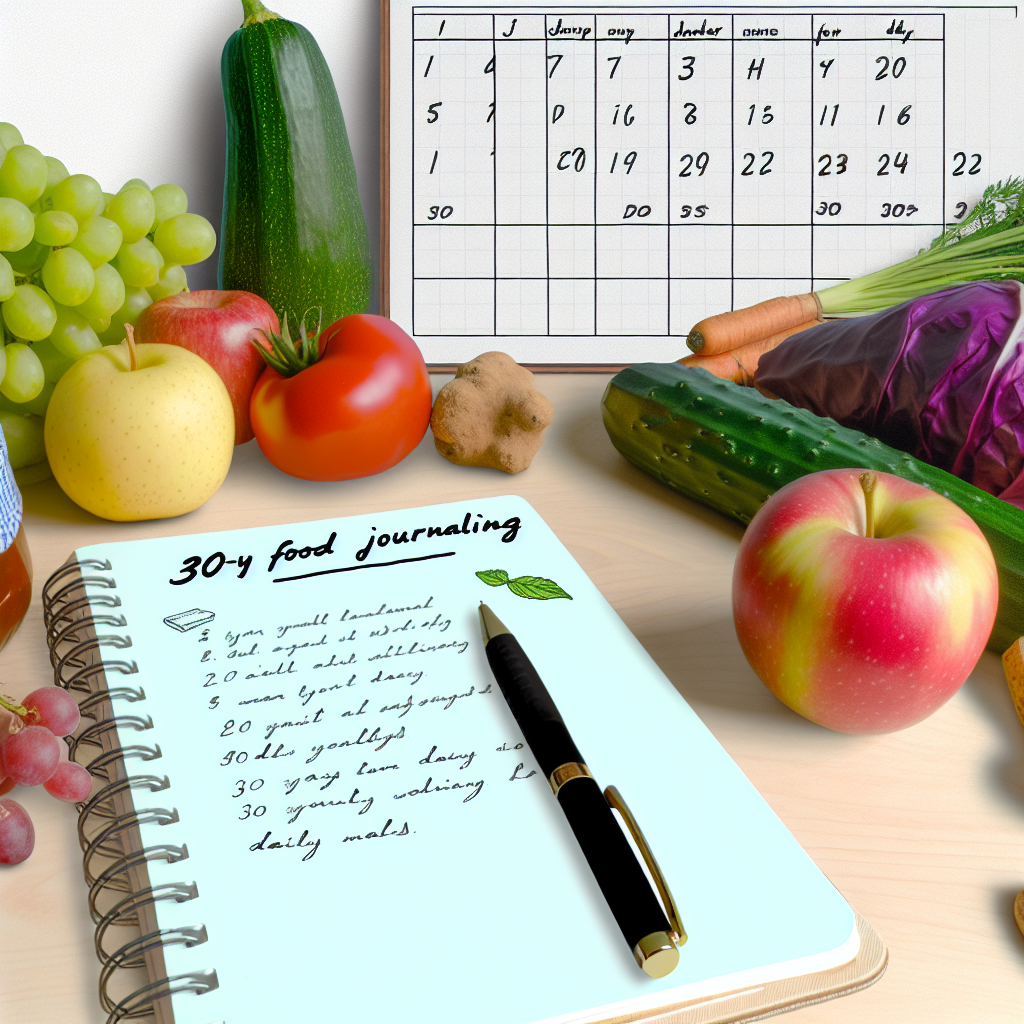
Food Journaling – 30-Day Habit Formation
Introduction
In the pursuit of wellness, individuals are becoming increasingly mindful of their daily habits—especially those related to food and nutrition. Among the most powerful, yet simple tools to support health goals is food journaling. This practice is more than just tracking calories—it is a gateway to self-awareness, better digestion, emotional balance, weight management, and uncovering potential food sensitivities. For those exploring natural cures, homeopathic remedies, or herbal interventions, journaling offers valuable insights to personalize your wellness approach.
What makes food journaling effective is its ability to highlight patterns. Many of us eat without reflecting on how it affects our physical and emotional well-being. Documenting meals, drinks, mood shifts, and physical symptoms allows individuals to connect the dots—such as recognizing that dairy causes sinus congestion, gluten triggers fatigue, or sugar increases anxiety. Food journals become intuitive biofeedback tools that empower individuals to listen to their body in a meaningful and intentional way.
According to habit researchers, it takes about 21 to 30 days to establish a behavior as part of one’s lifestyle. This is the foundation behind the impactful “30-Day Food Journaling Habit.” In just a month, individuals can uncover key information about their dietary patterns, recognize triggers, and begin to swap problematic foods with restorative remedies—such as a turmeric latte for inflammation or a ginger tea for digestive comfort.
In the realm of herbal medicine and homeopathy, tracking dietary response is crucial. Herbalists often recommend noting how your body reacts to herbs like ashwagandha for stress or peppermint for digestion. Likewise, in homeopathy, practitioners ask patients to document subtle shifts in their symptoms to personalize remedy potency and frequency.
Whether your goal is weight loss, improved digestion, clearer skin, or increased energy, committing to a consistent food journaling routine for 30 days can catalyze transformation. This accessible practice is non-invasive, highly customizable, and perfectly suited for those pursuing holistic wellness.
Features: The Science Behind Food Journaling and Habit Formation
The benefits of food journaling as a health tool are supported by both medical research and psychological studies. A 2008 study by the Kaiser Permanente Center for Health Research revealed that individuals who kept daily food records lost twice as much weight compared to those who didn’t—demonstrating the power of mindful eating and accountability ([NIH source](https://www.nih.gov/news-events/news-releases/writing-down-what-you-eat-helps-lose-weight)).
Food journaling seamlessly fits the cue-routine-reward framework introduced by Charles Duhigg in his book, The Power of Habit. Within this model, journaling serves as the “routine”—a bridge between a trigger (like hunger or anxiety) and the reward (improved digestion, mood stabilization, or weight loss). The act of writing itself stimulates reflection, thereby forming healthier, automatic behaviors over time.
A 2017 study published in the Journal of Medical Internet Research discovered noteworthy improvements in diet quality among participants who used a digital food diary for 30 days. By documenting meals, mood, hunger levels, and digestive responses, participants could stay motivated, consistent, and better attuned to their habits ([JMIR source](https://www.jmir.org/2017/10/e350/)).
From a natural medicine standpoint, food journaling plays an invaluable role in identifying intolerances or symptom triggers. Elimination diets—often used by naturopaths—rely on journaling to document symptoms like bloating, rashes, brain fog, or aches after reintroducing a food. This aligns with holistic systems such as Ayurveda and Traditional Chinese Medicine, which emphasize self-observation and mindful consumption.
Food journaling also supports individuals practicing herbal protocols. A study backed by the [NIH on adaptogens](https://pubmed.ncbi.nlm.nih.gov/20090343/) found that journaling while taking herbs such as Rhodiola, Holy Basil, or Ginseng helped users monitor changes in sleep, energy, and emotional health—fostering a deeper connection with their natural remedies.
Similarly, journaling is essential in fine-tuning homeopathic treatment. Homeopathy evaluates the total picture—mood, pain, sleep, digestion—and a journal captures that holistic view in real time. This allows practitioners to make precise adjustments, creating a finely tailored plan that evolves as you do.
Ultimately, whether you prefer old-fashioned notebooks or high-tech apps, a 30-day food journal offers valuable biofeedback that supports personalized, whole-person care.
Conclusion
Creating a 30-day food journaling habit isn’t only about writing your meals—it’s deep work of learning your body’s language. For those exploring natural healing through herbal medicine, supplement routines, or homeopathy, food journaling acts as both a mirror and a map. It reflects your current dynamics and shows the path to optimal wellness.
This level of self-awareness fosters empowerment. Whether you’re new to holistic health or already experimenting with neem for detox, reishi for immunity, or calendula for skin healing, a journal helps align your choices with how your body actually responds.
Committing for 30 days allows the habit to take root. As it becomes second nature, food journaling evolves into a lifetime ally—facilitating clarity, vitality, and greater resilience in everyday life. In our fast-paced, digital-driven world, putting pen to paper around what you eat can be a grounding, growth-oriented ritual.
Concise Summary
A 30-day food journaling habit is a transformative wellness tool that promotes accountability, self-awareness, and informed decision-making about diet and lifestyle. Whether you seek weight loss, identify food sensitivities, or enhance homeopathic and herbal treatments, logging meals, moods, and symptoms can reveal valuable health patterns. Supported by research from the NIH and psychological habit models, food journaling boosts mindful eating and fosters long-term wellness. It aligns particularly well with natural medicine approaches—helping tailor remedies and uncover root causes of imbalance. Accessible and reflective, food journaling can serve as a lifelong ally for those committed to holistic health and vitality.
References
– NIH. “Writing Down What You Eat Helps You Lose Weight.” https://www.nih.gov/news-events/news-releases/writing-down-what-you-eat-helps-lose-weight
– JMIR. “Effectiveness of a Digital Food Diary for Improving Diet Management.” https://www.jmir.org/2017/10/e350/
– PubMed. “Adaptogens: Tonic Herbs for Strength, Stamina, and Stress Relief.” https://pubmed.ncbi.nlm.nih.gov/20090343/
– Duhigg, Charles. The Power of Habit: Why We Do What We Do in Life and Business. Random House, 2012.

Dominic E. is a passionate filmmaker navigating the exciting intersection of art and science. By day, he delves into the complexities of the human body as a full-time medical writer, meticulously translating intricate medical concepts into accessible and engaging narratives. By night, he explores the boundless realm of cinematic storytelling, crafting narratives that evoke emotion and challenge perspectives.
Film Student and Full-time Medical Writer for ContentVendor.com