Vegan Iron Sources – Absorption Optimization Guide
Introduction
Iron is a vital mineral necessary for numerous bodily functions including oxygen transport, energy production, and maintaining a strong immune system. For those following a vegan diet, getting enough iron requires thoughtful planning. Unlike the highly absorbable heme iron found in animal products, non-heme iron from plant-based sources is less readily absorbed.
Over 1.2 billion people globally suffer from iron deficiency, and vegetarians and vegans are particularly at risk because of the lower bioavailability of iron in plant foods. However, with strategic pairing, cooking methods, and lifestyle adjustments, a vegan diet can absolutely meet all your iron needs—naturally and effectively.
This guide provides a detailed roadmap for identifying iron-rich vegan foods and optimizing absorption using specific strategies backed by science. These include utilizing vitamin C to boost absorption, avoiding iron inhibitors like calcium and phytates at key times, and exploring the potential of herbal supplements.
Medical Studies & Absorption Strategies
A major strategy to improve non-heme iron absorption is pairing iron-rich plant foods with vitamin C. A study from the American Journal of Clinical Nutrition demonstrated that 100mg of vitamin C consumed with a meal can increase iron absorption by up to 67% (Hallberg et al., 1989). This means squeezing lemon juice over lentils or including oranges with your meal can make a big difference.
However, certain substances interfere with iron uptake. Calcium, found in abundance in fortified plant-based milks and supplements, competes with iron in the digestive tract. Research from the Journal of Nutrition (Zhou et al., 2005) advises separating calcium-rich foods or supplements from iron-rich meals to avoid inhibition.
Another issue is phytates, compounds in whole grains, seeds, and legumes that bind to minerals like iron, making them less bioavailable. Soaking, sprouting, fermenting, or using a sourdough starter can dramatically reduce these compounds. A study in the Journal of Agricultural and Food Chemistry showed that sprouting lentils and chickpeas for just two days enhanced mineral absorption by up to 50% (Lestienne et al., 2005).
Limiting tannins is also beneficial. Found in black tea, coffee, and some wines, tannins bind to iron and hinder its uptake. The Iron Disorders Institute advises avoiding such beverages for at least an hour before and after iron-containing meals.
Lastly, including digestion-boosting herbs like ashwagandha and amla can further facilitate mineral assimilation. Though more research is needed, traditional knowledge and early clinical insights support their use in supporting a healthy digestive system and promoting nutrient absorption.
Top Vegan Iron Sources and Optimization Tips
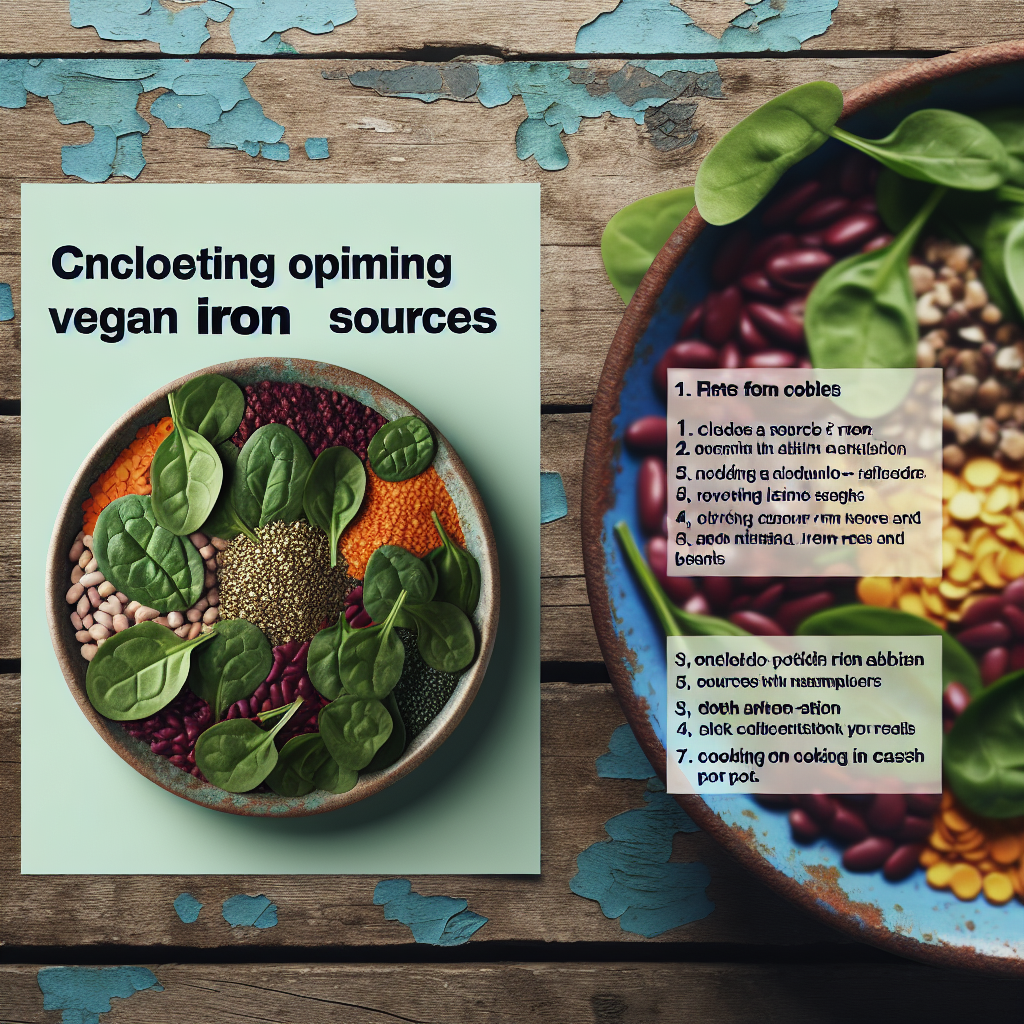
Here are some of the best plant-based sources of iron, paired with absorption-optimizing tips:
– Lentils (3.3 mg per cooked cup): Naturally rich in iron. Pair with a squeeze of lemon or cook with tomatoes to maximize vitamin C presence.
– Chickpeas (4.7 mg per cooked cup): Combine with bell peppers, parsley, or citrus dressings like chimichurri for a highly absorbable meal.
– Tofu (3.4 mg per half-cup): A great option for both iron and protein. Marinate in lemon or orange juice or serve with vitamin C-rich vegetables like broccoli.
– Pumpkin Seeds (4.2 mg per ounce): High in iron and healthy fats. Enjoy with an orange or fruit salad for better absorption.
– Spinach (6.4 mg per cooked cup): Contains oxalates which inhibit some iron absorption. Combat this by adding fruits like strawberries, kiwis, or papaya that are high in vitamin C.
– Quinoa (2.8 mg per cooked cup): A complete protein and excellent iron source when paired with sweet potatoes or vitamin C-rich veggies like bell peppers or kale.
To further enhance your iron status, consider soaking and sprouting grains and legumes, spacing out calcium intake, and avoiding coffee or tea at mealtimes. Combining multiple strategies ensures that your body receives and utilizes more of the iron available in your meals.
Conclusion
Meeting your iron requirements on a vegan diet is entirely achievable with knowledge and planning. Through smart food pairing, proper meal timing, and choosing preparation methods that enhance bioavailability, you can support optimal iron levels naturally. Understanding what inhibits iron—such as calcium, phytates, and tannins—empowers you to make informed dietary decisions.
Adding traditional herbs and fermentation techniques expands your toolkit and helps create a diverse, nutritious plant-based diet that doesn’t rely on synthetic supplementation. As veganism becomes more widespread, embracing this kind of nutritional intelligence will be essential for long-term health.
A strategic, nutrient-centered approach ensures you don’t have to compromise energy, immunity, or overall wellness. With careful choices and scientifically backed strategies, you can thrive on a vegan diet while ensuring your iron intake consistently supports your body’s needs.
Concise Summary
Vegans can achieve ideal iron levels by mastering absorption-enhancing strategies. Plant-based foods provide non-heme iron, which absorbs less efficiently than heme iron in animal products. However, vitamin C-rich pairings, avoiding calcium and tannins during meals, and reducing phytates through sprouting or fermentation dramatically improve iron absorption. Top vegan iron sources include lentils, chickpeas, spinach, tofu, and pumpkin seeds. Avoid tea, coffee, and calcium around meals, and consider herbal aids like amla and ashwagandha. Through mindful dietary planning and scientifically supported methods, vegans can maintain optimal iron levels for better energy, immunity, and vitality.
References
– Hallberg L, Brune M, Rossander L. “The role of vitamin C in iron absorption”. American Journal of Clinical Nutrition. 1989
– Zhou, S. J., et al. “The effect of calcium on iron absorption in infants and young children.” Journal of Nutrition. 2005
– Lestienne, I., et al. “Thermal processing effects on phytate content and mineral solubility in legumes.” Journal of Agricultural and Food Chemistry. 2005
– Iron Disorders Institute. “Iron Absorption – Importance of Timing.” irondisorders.org

Dominic E. is a passionate filmmaker navigating the exciting intersection of art and science. By day, he delves into the complexities of the human body as a full-time medical writer, meticulously translating intricate medical concepts into accessible and engaging narratives. By night, he explores the boundless realm of cinematic storytelling, crafting narratives that evoke emotion and challenge perspectives.
Film Student and Full-time Medical Writer for ContentVendor.com