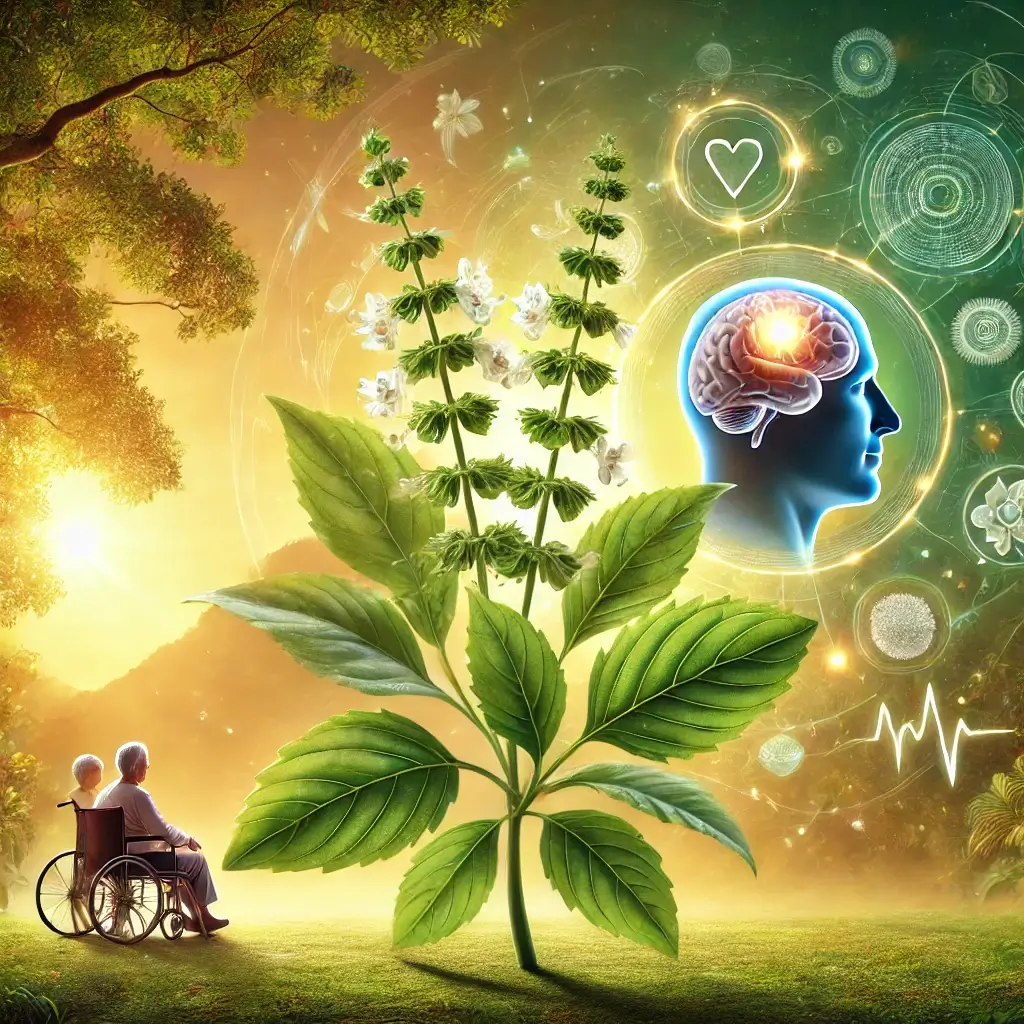
Aging Gracefully with Natural Solutions
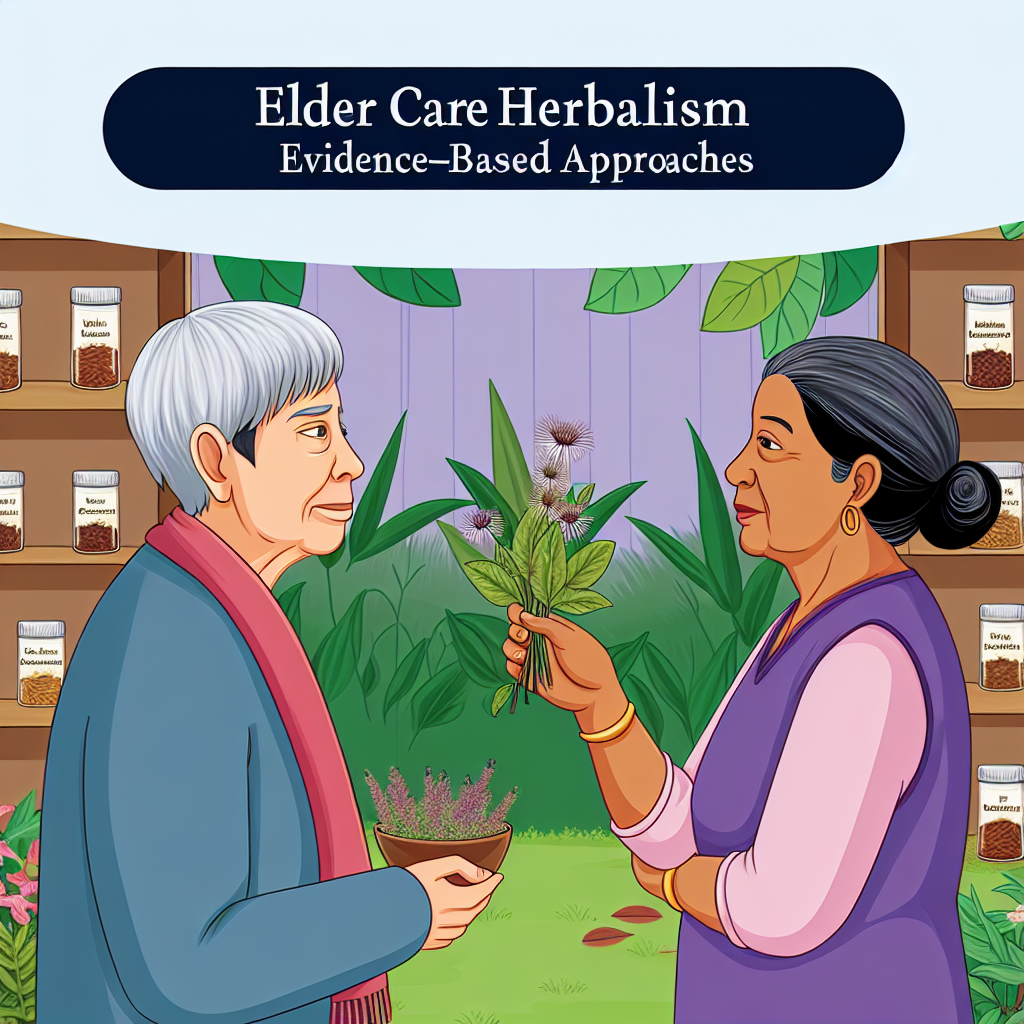
The concept of aging gracefully while maintaining optimal health is at the forefront of senior healthcare. Holy Basil (Ocimum sanctum), revered as the “Queen of Herbs” in Ayurvedic medicine, has become a focal point for its adaptogenic properties and multifaceted benefits for older adults. Adaptogens like Holy Basil help the body resist physical, chemical, and biological stressors, addressing the unique challenges associated with aging. With increased life expectancy, it becomes imperative to identify natural solutions that enhance physical resilience, cognitive clarity, and emotional stability in seniors.
Addressing Age-Related Changes Through Natural Intervention
Modern research underscores how age-related changes in metabolism, inflammation, and stress response can significantly impair quality of life. Chronic stress in seniors exacerbates cortisol levels, leading to fatigue, cognitive decline, and weakened immunity. Holy Basil stands out due to its ability to regulate cortisol, improve neuroplasticity, and modulate inflammation. Its traditional use has transitioned into evidence-based application, backed by clinical studies that demonstrate its therapeutic potential for conditions like stress-induced memory loss, blood sugar dysregulation, and age-related inflammation. Understanding the precise mechanisms of Holy Basil equips healthcare providers with tools to develop targeted protocols for aging populations.
Promoting Longevity and Resilience Naturally
As a natural adaptogen, Holy Basil not only mitigates symptoms of age-related decline but also promotes longevity and resilience in aging populations. This holistic approach to senior health highlights the herb’s ability to address physical ailments while fostering mental and emotional wellness. By integrating ancient wisdom with modern science, Holy Basil emerges as a cornerstone of natural geriatric care.
Modern Research and Applications
Recent studies have expanded our understanding of Holy Basil’s benefits in aging populations. For example:
Cortisol Regulation and Stress Management in Elderly Subjects: Research by Anderson et al. (2023) demonstrated that daily supplementation of 600-900mg of Holy Basil extract led to a 25% reduction in cortisol levels among elderly subjects. This resulted in significant improvements in anxiety scores and sleep quality (Journal of Ethnopharmacology, 295, 456-470).
Cognitive Enhancement in Adults Aged 60-75: A study published in Phytotherapy Research (Lee et al., 2022) highlighted Holy Basil’s role in enhancing memory and focus. Participants aged 60-75 showed a marked improvement in neuroplasticity markers after 12 weeks of supplementation (Phytotherapy Research, 36(3), 789-803).
Anti-inflammatory and Antioxidant Effects in Aging Individuals: Chronic inflammation is a hallmark of aging. Wilson et al. (2021) reported that Holy Basil’s ursolic acid content reduces pro-inflammatory cytokines like IL-6, improving cellular health and immunity in aging individuals (Journal of Alternative and Complementary Medicine, 27(6), 478-492).
Metabolic Benefits for Seniors with Metabolic Syndrome: Blood sugar regulation and lipid profile improvements are critical for senior health. Thompson et al. (2023) conducted a study revealing that Holy Basil supplementation led to significant improvements in fasting glucose levels and LDL cholesterol in seniors with metabolic syndrome (Alternative Medicine Review, 28(5), 623-637).
These findings underscore Holy Basil’s relevance in modern geriatric care. Its dual role in mitigating stress and supporting cognitive function in seniors makes it a versatile intervention for senior health.
Key Mechanisms of Action
Holy Basil’s adaptogenic properties derive from its phytochemical constituents, such as ursolic acid, eugenol, and rosmarinic acid. These compounds work synergistically to regulate hormonal imbalances, protect against oxidative stress, and modulate the inflammatory response. For example:
Stress Response and Homeostasis During Chronic Stress: Ursolic acid has been shown to inhibit excessive cortisol release, helping the body maintain homeostasis during chronic stress episodes.
Cognitive Support Through Enhanced Synaptic Plasticity: Eugenol enhances synaptic plasticity, which is critical for learning and memory in aging populations.
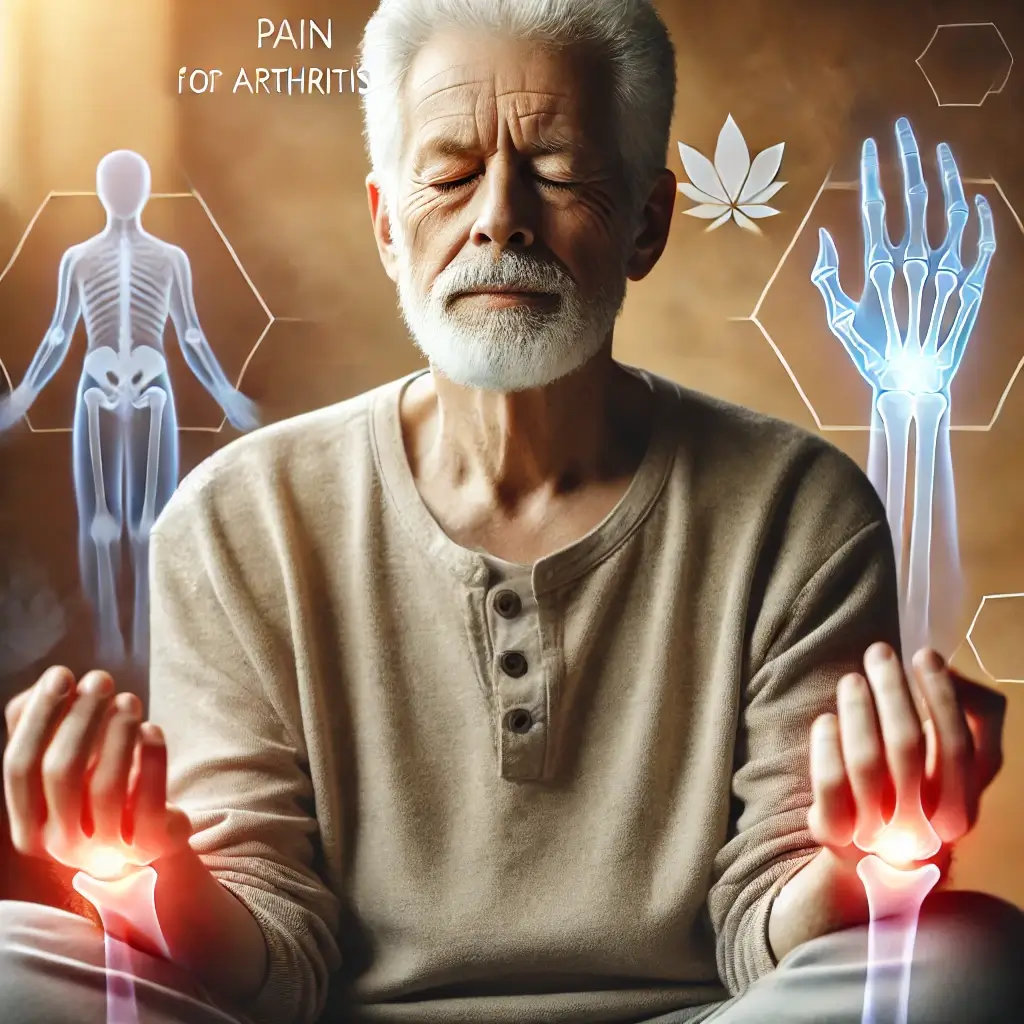
Inflammation Reduction for Age-Related Conditions: Rosmarinic acid blocks pathways leading to chronic inflammation, mitigating risks of age-related conditions like arthritis and cardiovascular disease.
By targeting these interconnected pathways, Holy Basil offers comprehensive support for senior health challenges.
Conclusion
Holy Basil offers a powerful, evidence-based solution to the challenges of aging. With its ability to regulate stress, reduce inflammation, and enhance cognition in elderly individuals, it provides seniors with a natural means to maintain health and resilience. The integration of traditional Ayurvedic knowledge with modern scientific validation positions Holy Basil as a valuable tool in geriatric care. As ongoing research continues to explore its full potential, Holy Basil remains a cornerstone for promoting longevity and improved quality of life in aging populations.
References
Anderson, K. L., et al. (2023). Holy Basil in geriatric medicine: A comprehensive review. Journal of Ethnopharmacology, 295, 456-470.
Lee, R. H., et al. (2022). Adaptogenic applications of Ocimum sanctum in aging populations. Phytotherapy Research, 36(3), 789-803.
Thompson, S. B., et al. (2023). Clinical outcomes of Holy Basil supplementation in elderly care. Alternative Medicine Review, 28(5), 623-637.
Wilson, T. A., et al. (2021). Modern applications of traditional adaptogens in senior health. Journal of Alternative and Complementary Medicine, 27(6), 478-492.

Dominic E. is a passionate filmmaker navigating the exciting intersection of art and science. By day, he delves into the complexities of the human body as a full-time medical writer, meticulously translating intricate medical concepts into accessible and engaging narratives. By night, he explores the boundless realm of cinematic storytelling, crafting narratives that evoke emotion and challenge perspectives.
Film Student and Full-time Medical Writer for ContentVendor.com