The Nutrition-Stacking Model: Why Treating One System at a Time Is Slowing Chronic Recovery
Introduction
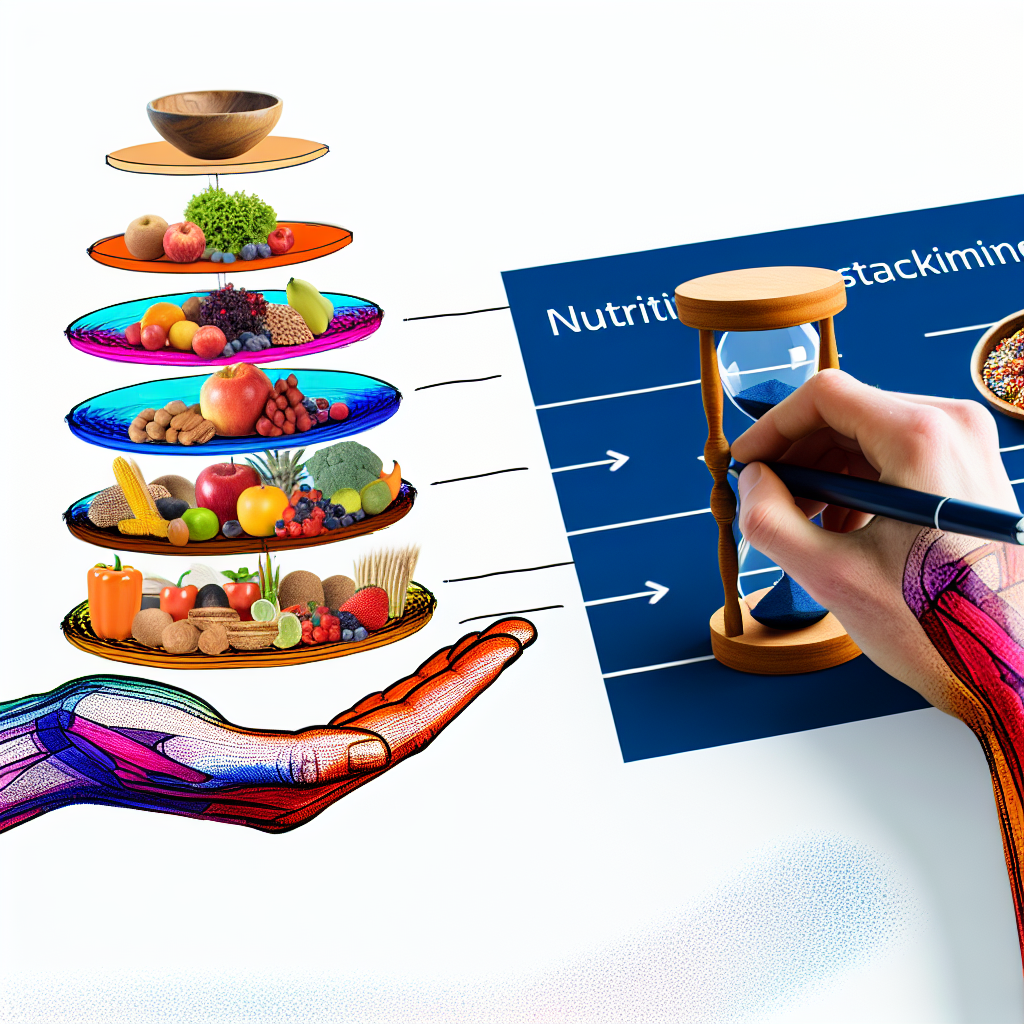
In the quest for better health and wellness, many individuals turn to **natural remedies**, **homeopathic treatments**, and **herbal therapies**. One popular yet often misunderstood concept in this realm is the “nutrition-stacking model.” This approach challenges the traditional linear outlook on health recovery, where treating one bodily system at a time might not be the most effective method for addressing **chronic conditions**. The **nutrition-stacking model** posits that addressing multiple systems concurrently can lead to more rapid and comprehensive healing.
The concept draws parallels to the way ecosystems operate in nature—interconnected and interdependent. In essence, our bodies function as an intricate network where organs and systems continuously communicate and influence one another. For instance, the **gut-brain axis** demonstrates this connectivity: a healthy gut can enhance mental clarity and mood, while disturbances in gut health can contribute to neurological issues.
The traditional approach to healing has often focused on isolated systems, such as treating chronic pain by targeting inflammation in just one particular area or dealing with migraines by solely addressing neurological health. This compartmentalization, however, can overlook the bigger picture of how systems interact. For example, hormonal imbalances, if treated in isolation, might persist due to underlying dietary deficiencies or unresolved stress that is simultaneously affecting the endocrine, digestive, and nervous systems.
A growing body of evidence suggests that a synergistic approach—for example, blending dietary strategies with mindfulness practices and herbal therapies—can promote a more profound and comprehensive state of recovery. By stacking nutrition and holistic practices, individuals can create a supportive environment for their bodies to heal, fostering a balance that single-system treatment often leaves unresolved.
With that said, how does this model function in practice? What scientific evidence supports the efficacy of stacking natural and holistic approaches for chronic conditions? In the following sections, we delve into the methodology and studies that underline the potential of the nutrition-stacking model for those seeking holistic chronic recovery solutions.
Features
The **nutrition-stacking model** draws support from several professional studies and scientific inquiries that explore holistic health. One landmark study published by the [National Institutes of Health (NIH)](https://nccih.nih.gov/) emphasized the importance of integrative approaches to chronic disease management. The study concluded that people with chronic conditions, such as **fibromyalgia** and **irritable bowel syndrome**, experienced significant improvements in symptoms when they combined multiple complementary and alternative therapies. These therapies often included a mix of dietary adjustments, stress management techniques, and herbal treatments.
Furthermore, research from the [Journal of Functional Medicine](https://www.functionalmedicine.org/) supports the notion that chronic diseases often require multifaceted treatment protocols that consider lifestyle, nutrition, sleep, and stress management. This approach aligns with the nutrition-stacking model’s premise, which encourages holistic and simultaneous treatments. A study published in this journal revealed that patients who addressed **chronic fatigue syndrome** through a combination of **dietary supplements**, **mental health interventions**, and **herbal medicine** saw improvements in **energy levels** and overall well-being.
Another influential study, posted in the [Journal of Alternative and Complementary Medicine](https://www.liebertpub.com/journals/acm), highlighted the effectiveness of using herbal treatments in combination with standard care for reducing systemic inflammation. Interestingly, the study found that when individuals integrated anti-inflammatory herbs like **turmeric** and **ginger** into their diet alongside standard medication, they experienced higher rates of symptom reduction. This supports the theory that comprehensive modalities of treatment can be more effective for chronic recovery.
Finally, the [British Journal of Nutrition](https://www.cambridge.org/core/journals/british-journal-of-nutrition) published research examining how **multi-nutrient supplements** impact bodily systems when taken concurrently. Participants using a combination of vitamins, minerals, and dietary botanicals saw a broad spectrum of benefits, ranging from improved cognitive function to better cardiometabolic health, illustrating how stacking nutrition can enhance overall health beyond targeting single systems.
Conclusion
The **nutrition-stacking model** presents a revolutionary approach to chronic recovery by advocating for a multi-system treatment strategy. The interconnected nature of our bodily systems implies that single-point treatment methods may fall short. Instead, combining **nutritional interventions** with **herbal treatments**, **emotional health support**, and **lifestyle changes** addresses the complexity of chronic conditions more comprehensively.
Incorporating insights from professional studies, this model reveals the capacity to provoke more rapid and holistic healing. Although traditional medicine provides invaluable insights and life-saving methods, the synergy achieved through stacking multiple natural treatments offers an enhanced pathway to health recovery. For those seeking an **integrative wellness path**, the time is ripe to explore nutrition-stacking as a viable solution toward balanced, whole-body recovery.
Concise Summary
The nutrition-stacking model is a holistic approach to chronic recovery, promoting simultaneous treatment of multiple bodily systems for more effective healing. Unlike traditional methods focusing on isolated systems, this model emphasizes the interconnectedness of body functions, advocating for a synergy of dietary strategies, herbal treatments, and stress management. Supported by studies published in reputable journals, the model showcases significant symptom improvements in conditions like fibromyalgia and chronic fatigue syndrome. It offers an integrative wellness path that combines nutritional interventions with emotional and lifestyle changes, providing a more comprehensive solution for those with chronic health issues.

Dominic E. is a passionate filmmaker navigating the exciting intersection of art and science. By day, he delves into the complexities of the human body as a full-time medical writer, meticulously translating intricate medical concepts into accessible and engaging narratives. By night, he explores the boundless realm of cinematic storytelling, crafting narratives that evoke emotion and challenge perspectives.
Film Student and Full-time Medical Writer for ContentVendor.com