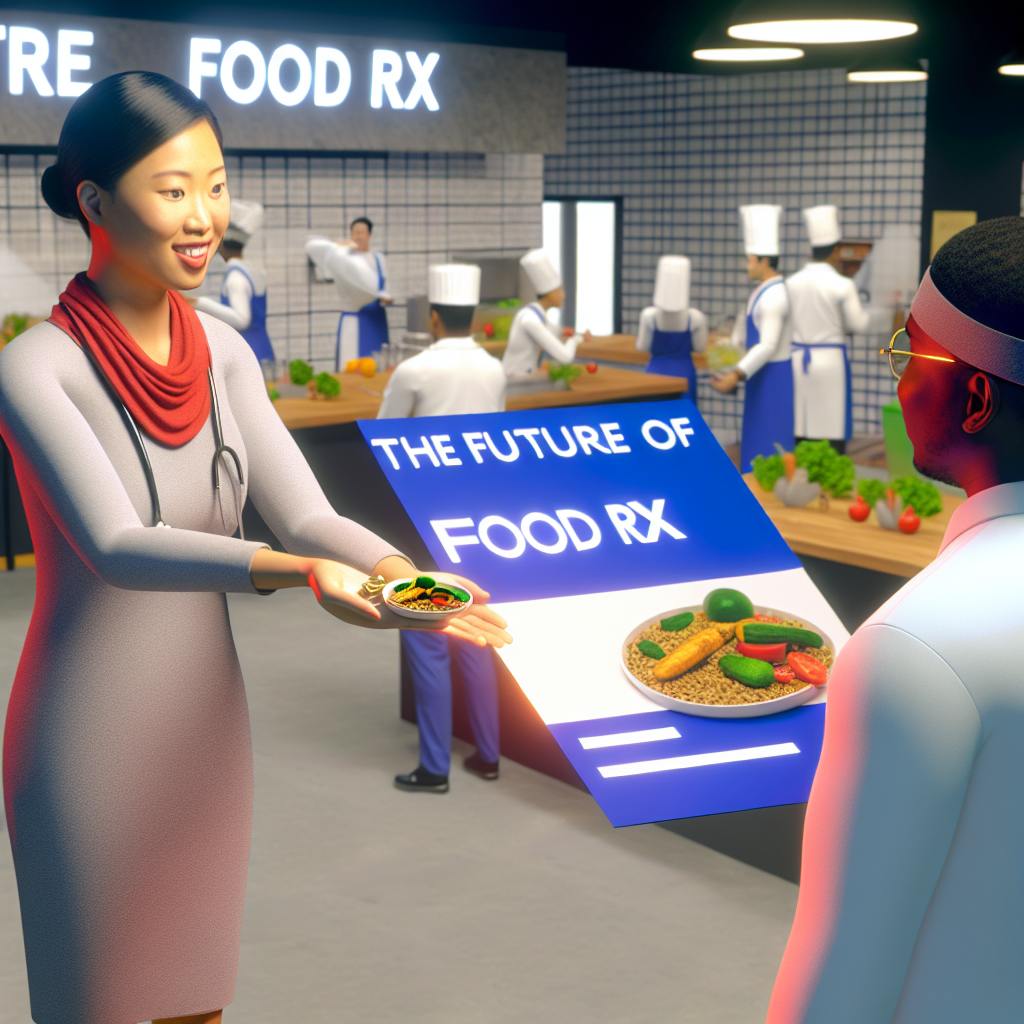
The Future of Food Rx: What Happens When Healthcare Systems Start Prescribing Meals Instead of Meds?
In contemporary healthcare, there is a burgeoning recognition that **food** and **nutrition** play an essential role in preventing and managing **chronic diseases**. With the rise of **lifestyle-related health conditions** like **obesity**, **diabetes**, and **heart disease**, it is more critical than ever to explore innovative approaches to healthcare. Enter **Food Rx**—a revolutionary concept suggesting the use of **food prescriptions** as a viable alternative or complement to **medication** in treating specific health conditions.
The idea of prescribing meals instead of medication may seem novel, but it is grounded in a growing body of scientific evidence demonstrating the profound impact of dietary choices on health. For instance, a diet rich in **fruits**, **vegetables**, **whole grains**, and **lean proteins** has been shown to significantly reduce the risk of **chronic diseases**. Healthcare systems worldwide are beginning to acknowledge this potential, considering the integration of nutritional guidance into traditional medical treatment plans.
The practice of prescribing food as medicine is not entirely new. For centuries, various cultures have utilized food and herbs to promote well-being and treat ailments. However, recent advancements in nutritional science have provided a more comprehensive understanding of how specific **nutrients** and **dietary patterns** influence health at a molecular level. With this knowledge, healthcare professionals now have the tools to tailor diet plans to individual needs, potentially revolutionizing personalized medicine.
Moreover, socio-economic factors and public health challenges underscore the importance of **Food Rx** in today’s world. With rising healthcare costs, food prescriptions offer a cost-effective and sustainable approach to preventive healthcare. This model can alleviate the financial burden on healthcare systems by reducing the need for expensive medications and hospital treatments. Additionally, it empowers individuals to take control of their health through informed dietary choices.
While Food Rx is not intended to replace medications entirely, it serves as a complementary strategy that addresses the root cause of diseases, rather than merely alleviating symptoms. This comprehensive approach fosters long-term health benefits, improving quality of life and reducing healthcare dependency. As we delve deeper into the potential of **Food Rx**, it becomes evident that this paradigm shift in healthcare could pave the way for a healthier future.
Features: The Science Behind Food Prescriptions
The concept of using food as medicine is gaining traction, supported by various studies highlighting the benefits of specific **diets** in managing **chronic diseases**. Among the most notable studies is the research on the **Mediterranean Diet**, which has consistently been linked with reduced risks of **cardiovascular disease**, certain **cancers**, and other chronic conditions. A study published in the [New England Journal of Medicine](https://www.nejm.org/doi/full/10.1056/NEJMoa1200303) found that participants who followed a Mediterranean diet complemented with extra-virgin olive oil or nuts had a significantly lower incidence of major cardiovascular events compared to those on a reduced-fat diet.
Furthermore, the **DASH (Dietary Approaches to Stop Hypertension) diet**, which emphasizes low sodium intake combined with high consumption of fruits, vegetables, and low-fat dairy, has been shown to effectively lower blood pressure and improve heart health. A study funded by the National Heart, Lung, and Blood Institute demonstrated that individuals adhering to the DASH diet experienced reductions in both systolic and diastolic blood pressure ([source](https://www.ncbi.nlm.nih.gov/pmc/articles/PMC2766590/)).
Beyond cardiovascular health, food prescriptions have shown promise in managing diabetes. Research indicates that a **plant-based diet**, high in fiber and low in processed foods, may enhance **insulin sensitivity** and **glycemic control** in individuals with type 2 diabetes. A study published in the [Journal of the American College of Nutrition](https://www.tandfonline.com/doi/full/10.1080/07315724.2006.10719542) revealed that participants following a low-fat vegan diet experienced significant improvements in glycemic control compared to those on a standard diabetes diet.
The emerging field of **nutritional psychiatry** also provides insights into the potential mental health benefits of food prescriptions. Studies suggest that diets high in **omega-3 fatty acids**, **antioxidants**, and other micronutrients may support brain health and reduce symptoms of depression and anxiety. The SMILES trial, conducted by Deakin University, found that individuals with major depressive disorder who received nutritional counseling based on a modified Mediterranean diet showed significant improvements in depression symptoms compared to a social support control group ([source](https://bmcmedicine.biomedcentral.com/articles/10.1186/s12916-017-0791-y)).
These studies highlight the potential of Food Rx to transform healthcare by addressing the root causes of diseases through diet. As research in this field continues to evolve, healthcare systems are poised to adopt food prescriptions as an integral component of comprehensive treatment plans.
Conclusion: Embracing a Healthier Future with Food Rx
The integration of food prescriptions into healthcare represents a promising shift toward preventive and personalized medicine. By recognizing the vital role of nutrition in health, healthcare providers can empower individuals to take an active role in managing their well-being through informed dietary choices. This approach not only addresses the root causes of chronic diseases but also reduces dependency on medication, offering a sustainable solution to rising healthcare costs.
However, the successful implementation of Food Rx requires collaboration among healthcare professionals, dietitians, policymakers, and the food industry. An emphasis on education and accessibility to healthy food options is vital in ensuring that food prescriptions become a practical reality for all individuals, regardless of socio-economic status.
As food and medicine become more intertwined, we have the opportunity to redefine healthcare and enhance the quality of life for future generations. Embracing food as medicine is not just a trend; it is a fundamental shift in how we perceive and pursue health. By acknowledging the power of nutrition, we open the door to a healthier, more sustainable future.
**Concise Summary:**
Food Rx promotes using food prescriptions to prevent and manage chronic diseases like obesity, diabetes, and heart disease. This innovative healthcare approach is backed by scientific evidence showing how diets like the **Mediterranean** and **DASH** can effectively reduce disease risks and improve health. Food prescriptions, while not a replacement for medication, offer a cost-effective, preventive solution addressing root causes rather than symptoms. Successful implementation demands collaboration among healthcare professionals, educators, and policymakers to ensure widespread accessibility. As a paradigm shift towards personalized medicine, Food Rx fosters longevity and enhances the quality of life.

Dominic E. is a passionate filmmaker navigating the exciting intersection of art and science. By day, he delves into the complexities of the human body as a full-time medical writer, meticulously translating intricate medical concepts into accessible and engaging narratives. By night, he explores the boundless realm of cinematic storytelling, crafting narratives that evoke emotion and challenge perspectives.
Film Student and Full-time Medical Writer for ContentVendor.com