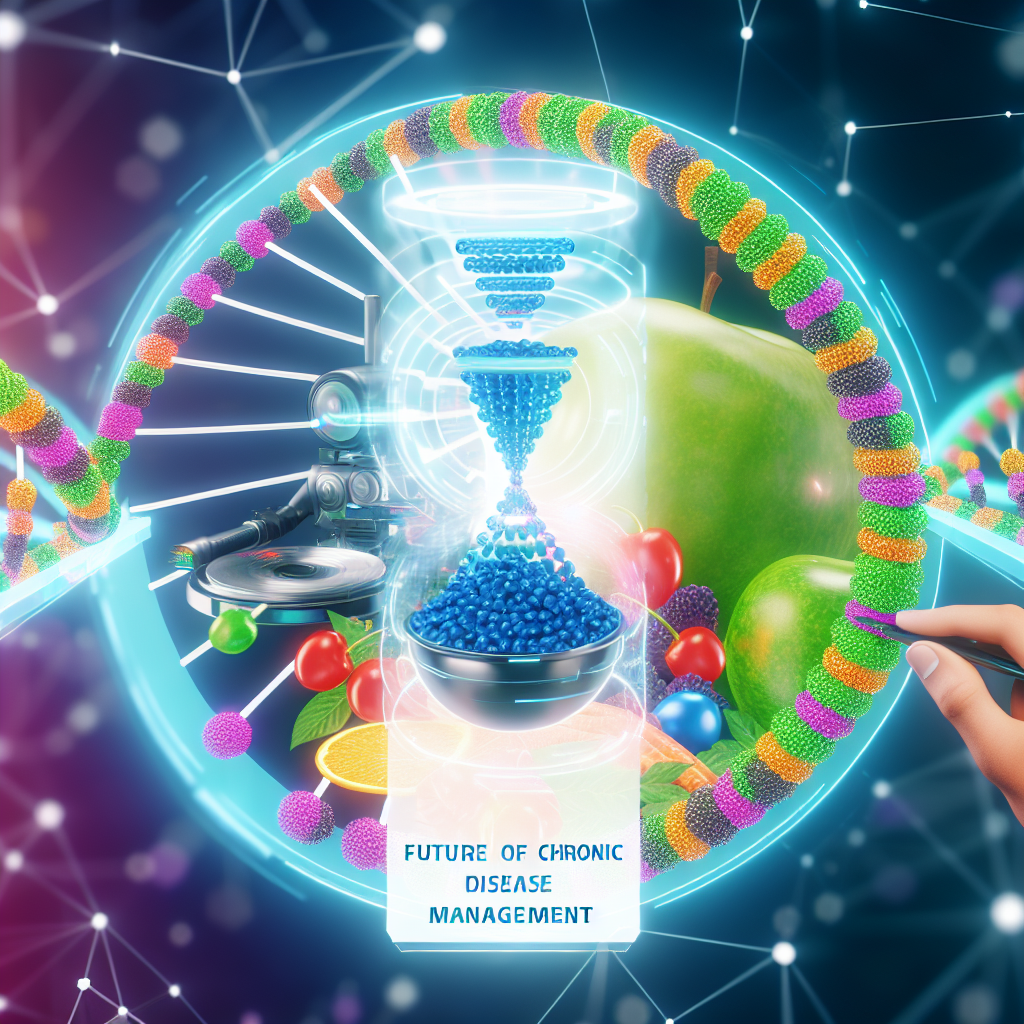
The Future of Chronic Disease: Unlocking Personalized Nutrition with AI and Genomic Data
Introduction
The landscape of **healthcare** is evolving rapidly, and one area that is garnering significant attention is the use of **Artificial Intelligence (AI)** and **genomic data** in personalizing **nutrition** to manage **chronic diseases**. Diseases such as **diabetes**, **heart disease**, and **autoimmune disorders** are often challenging to manage due to their complex etiology and interaction with an individual’s unique genetic makeup. **Personalized nutrition**, enabled by the synergistic power of AI and genomic data, offers a promising frontier for these challenges.
**Personalized nutrition** involves tailoring dietary recommendations based on an individual’s genetic profile, lifestyle, and existing health conditions. The advent of **genomic sequencing** has revolutionized our understanding of the role genes play in **nutrient metabolism**, dietary needs, and disease predisposition. With **AI-driven analytics**, we now have the capability to interpret this data and provide tailored dietary advice that goes well beyond the broad, generalized recommendations typically offered.
AI contributes by analyzing vast amounts of genetic and health-related data, identifying patterns, and predicting outcomes with a level of precision previously unattainable. Imagine a scenario where a patient with **type 2 diabetes** receives a personalized diet plan that not only considers their current health status but also their genetic predispositions and potential future health risks. This level of customization could potentially halt or even reverse the progression of chronic diseases, significantly improving the quality of life for millions.
Moreover, as **AI technologies** continue to advance, they are becoming more accessible and affordable, making personalized nutrition a viable option for a larger segment of the population. The application of AI and genomic data in personalized nutrition is more than just a futuristic concept—it is steadily becoming an integral part of modern healthcare strategies. With the right innovations and regulatory frameworks, this approach has the potential to transform how we prevent and treat chronic diseases across the globe.
Features
Recent studies underscore the potential of combining AI and genomic data for improving dietary interventions targeted at chronic disease management. One such study published in the journal “Cell Metabolism” explores how personalized meal recommendations based on genomic data can offer better glycemic control for diabetic patients compared to standard dietary guidelines. The study involved over 800 participants and utilized their genetic information alongside AI-processed health data to tailor meal recommendations. The results showed a marked improvement in blood sugar levels among those following the personalized plans compared to the control group, highlighting the practical advantages of this approach.
Another pivotal research spearheaded by the **Stanford University School of Medicine** focused on the role of **precision nutrition** in managing **cardiovascular diseases**. The researchers integrated genomic data with AI algorithms to predict an individual’s response to certain dietary components, such as fats and carbohydrates. Their findings suggest that individuals with specific genetic markers benefited significantly from a diet lower in saturated fats, which in turn reduced their cardiovascular risk.
Furthermore, the potential of AI in pulling and processing diverse datasets is virtually unparalleled. The machine-learning algorithms can now map complex interactions between genes, environmental factors, and lifestyle choices, something that traditional methods have only skimmed. A project known as the “Predicting Response to Exercise and Nutrition (PRESET)” initiative, funded by the National Institutes of Health, is working towards creating massive databases of genetically-informed nutritional responses to predict and mitigate chronic diseases.
These studies indicate a paradigm shift from one-size-fits-all dietary recommendations to micronutrient interventions and meal plans personalized at the individual level. This not only empowers patients but also enhances adherence to dietary regimens by aligning them with personal health goals and genetic predispositions.
Conclusion
As we move towards an era where **medicine** is becoming increasingly bespoke, the integration of AI and genomic data in personalizing nutrition holds immense promise. It is a burgeoning field underpinned by both scientific and technological advancements which aims to address the complexity and individuality of chronic diseases. By focusing on personalized dietary plans tailored to unique genetic profiles, this forward-looking approach offers a potential breakthrough in managing and even preventing chronic diseases.
To fully realize its potential, however, will require concerted efforts from healthcare providers, researchers, policymakers, and technology developers. Ensuring data privacy, improving the accuracy of genetic interpretations, and making these technologies widely available are critical steps that need to be addressed. As these challenges are navigated, the potential benefits make a compelling case for an investment in personalized nutrition. With each scientific breakthrough and technological advancement, a future where chronic diseases are managed more effectively seems increasingly achievable.
References
1. Zeevi, D., et al. (2015). Personalized Nutrition by Prediction of Glycemic Responses. *Cell Metabolism*.
2. Gardner, C. D., et al. (2020). Precision Nutrition: A Personalized Approach to Diet and Lifestyle. *Annual Review of Nutrition*.
3. NIH National Center for Advancing Translational Sciences. (2021). Strategic Plan: Predicting Response to Exercise and Nutrition (PRESET).
Concise Summary:
The integration of AI and genomic data is revolutionizing personalized nutrition by tailoring dietary plans based on individual genetic profiles to manage chronic diseases like diabetes and heart disease. AI technologies enhance precision in dietary recommendations by analyzing complex datasets, offering significant improvements over standard guidelines. Studies indicate enhanced glycemic control and reduced cardiovascular risks with personalized plans. This burgeoning approach could transform disease prevention and management, yet requires collective efforts for widespread adoption, ensuring privacy, and fine-tuning genetic interpretations. Such innovation promises a future of more effective chronic disease management.

Dominic E. is a passionate filmmaker navigating the exciting intersection of art and science. By day, he delves into the complexities of the human body as a full-time medical writer, meticulously translating intricate medical concepts into accessible and engaging narratives. By night, he explores the boundless realm of cinematic storytelling, crafting narratives that evoke emotion and challenge perspectives.
Film Student and Full-time Medical Writer for ContentVendor.com