Sports Nutrition – Competition Day Fueling Guide
Competitive athletes—whether professional, amateur, or weekend warriors—understand the significant impact proper fueling can have on their performance. On competition day, every decision regarding what’s consumed can enhance energy levels, reduce fatigue, and propel the body toward optimal output. While training builds strength and skill, it’s the meticulously planned nutrition in the final 24 hours before an event that can be the game-changer between achieving a new personal record and falling short.
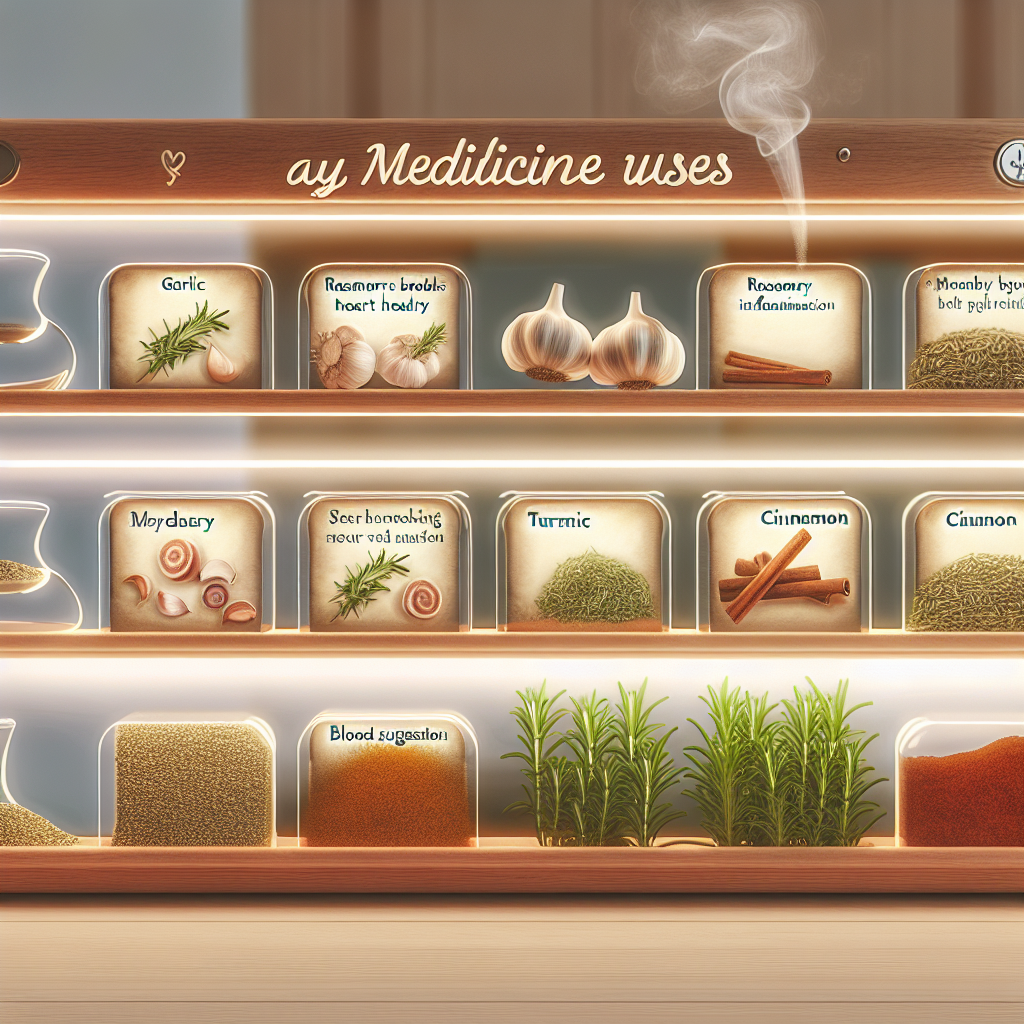
Sports nutrition encompasses more than just carbohydrates and protein; it’s about delivering precise nutrients at the right times. This includes using both traditional and natural remedies—like herbs, homeopathic ingredients, and whole foods—to meet the athlete’s unique physical demands. The primary goals? Top off glycogen stores, maintain proper hydration, and manage mental stress.
Many athletes now embrace a holistic approach, turning to adaptogens like Rhodiola rosea and Ashwagandha to stabilize nervous energy. Others opt for beetroot juice to enhance blood flow or omega-3 fatty acids to reduce inflammation. This shift toward natural performance enhancers reflects growing awareness of how plant-based and integrative solutions can support peak output while being sustainable and safe.
Timing also plays a pivotal role. When you eat is just as essential as what you eat. Prioritizing the right foods at strategic intervals—before, during, and even after competition—greatly influences endurance and recovery. Customized fueling plans based on the specific sport, its duration, and physical intensity unlock extra layers of preparedness.
In this guide, we explore scientific and herbal-based sports nutrition strategies that can give you the edge on competition day—boosting your strength, stamina, and recovery while respecting your body’s natural rhythm.
Features: Scientific and Herbal-Based Strategies for Peak Performance
Modern research consistently supports the importance of pre-competition nutrition for maximizing output. One key strategy is carbohydrate loading, especially valuable in extended endurance sports like marathons or triathlons. A study from the Journal of Applied Physiology showed that a high-carb intake prior to competition increased muscle glycogen, boosting time to exhaustion and overall performance (Sherman et al., 1981).
However, nutrition protocols now extend beyond carbohydrates. One of the most studied natural aides is beetroot juice, which increases nitric oxide levels, improving blood vessel dilation and oxygen efficiency. Research from Medicine & Science in Sports & Exercise confirmed that athletes taking beetroot juice showed longer endurance and reduced oxygen cost during workouts (Bailey et al., 2009).
Adaptogenic herbs like Rhodiola rosea and Ashwagandha regulate the body’s stress response, increase energy, and improve recovery. In a clinical trial published in Phytomedicine, athletes who consumed Rhodiola rosea reported reduced fatigue and quicker recoveries post-training (De Bock et al., 2004).
Hydration strategies are just as critical. Natural electrolyte-rich beverages like coconut water, sea salt solutions, and fresh citrus juices offer potassium, magnesium, and sodium—key in preventing cramps or hyponatremia. The Journal of the International Society of Sports Nutrition supports these natural sources as viable hydration alternatives (Sawka et al., 2007).
On the protein front, easily digestible and plant-based sources like chia seeds or organic protein powders can be consumed the morning of the event to support muscle integrity. Branched-chain amino acids (BCAAs) found in foods like pumpkin seeds prevent breakdown and reduce post-installation soreness.
To further support anti-inflammatory recovery, natural compounds such as turmeric and ginger are excellent additions. A study in The Journal of Pain revealed daily ginger supplementation lowered muscle discomfort by as much as 25% after intense workouts (Black et al., 2010).
Conclusion
A strong competition day nutrition plan isn’t about overloading on energy drinks or simply eating more—it’s about understanding what truly benefits performance, when to consume it, and how natural interventions can support your athletic journey. From strategic carb loading to integrating herbs and clean hydration sources, this balanced approach ensures your body gets the support it needs to perform under pressure.
Choosing natural sports nutrition means enhancing strength, sharpened focus, and quicker recovery while reducing reliance on synthetic stimulants. Whether training for your next ultra-endurance race, local competition, or a weekend sports challenge, embrace this holistic system to feel confident, energized, and prepared. Let food be your fuel and strategy—naturally.
References
- Sherman, W. M., et al. (1981). Effect of exercise-diet manipulation on muscle glycogen and performance. Journal of Applied Physiology, 50(3), 621–626.
- Bailey, S. J., et al. (2009). Dietary nitrate and endurance. Medicine & Science in Sports & Exercise, 41(4), 715–721.
- De Bock, K., et al. (2004). Rhodiola rosea and endurance. Phytomedicine, 11(1), 123–130.
- Sawka, M. N., et al. (2007). Exercise and fluid replacement. Journal of the International Society of Sports Nutrition, 39, 377–390.
- Black, C. D., et al. (2010). Ginger and exercise-induced pain. The Journal of Pain, 11(9), 894–903.
Concise Summary
This guide explores sustainable, science-backed strategies for optimal competition day sports nutrition. Key focus areas include carbohydrate loading, natural adaptogens to manage stress, and anti-inflammatory herbs to aid recovery. Strategic hydration using coconut water and other natural electrolyte sources is highlighted as critical. Supplementation with beetroot juice, protein, and BCAAs are also covered. Together, these methods offer a powerful, holistic approach to help athletes fuel efficiently, recover quickly, and thrive naturally in any competitive sport.

Dominic E. is a passionate filmmaker navigating the exciting intersection of art and science. By day, he delves into the complexities of the human body as a full-time medical writer, meticulously translating intricate medical concepts into accessible and engaging narratives. By night, he explores the boundless realm of cinematic storytelling, crafting narratives that evoke emotion and challenge perspectives.
Film Student and Full-time Medical Writer for ContentVendor.com