Post-Workout Nutrition – Recovery Window Optimization
Introduction
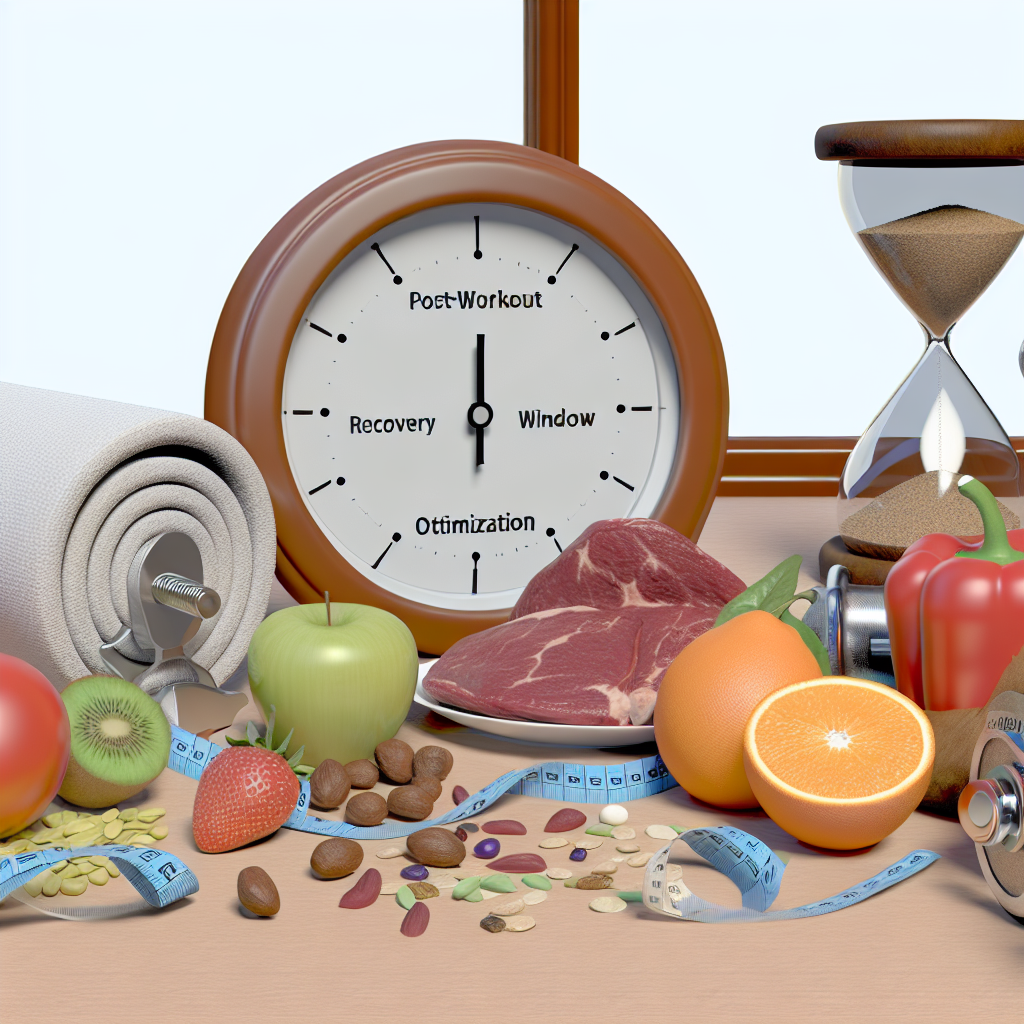
When it comes to achieving peak physical performance and maximizing the benefits of exercise, many fitness enthusiasts and athletes focus heavily on their training regimens. However, one of the most critical yet often overlooked aspects of fitness is post-workout nutrition—specifically, the timing and composition of nutrients consumed after exercise, also known as the recovery window. This brief but influential timeframe, typically spanning 30 to 60 minutes following physical activity, can significantly impact muscle repair, glycogen replenishment, and overall recovery.
During exercise, the human body undergoes several physiological changes, including glycogen depletion, muscle tissue breakdown, and fluid loss. The post-exercise recovery window is the optimal time when muscles are most receptive to nutrients, making it crucial to consume the right combination of macronutrients—primarily carbohydrates and protein—to accelerate recovery and enhance performance during subsequent workouts.
Natural, homeopathic, and herbal treatments have seen a rise in popularity among those seeking holistic and sustainable approaches to post-exercise recovery. Rather than relying solely on synthetic supplements or processed recovery drinks, many individuals are incorporating nature-inspired solutions such as adaptogenic herbs, whole food-based protein sources, and electrolyte-rich plants.
These strategies not only support post-workout recovery but also offer additional benefits like better digestion, immune function, and reduced inflammation. Herbs like turmeric, ashwagandha, and ginger are well-documented for their anti-inflammatory and muscle-recovery properties. Likewise, plant-based protein sources including hemp, pumpkin seed, and almond protein powders offer complete amino acid profiles with essential micronutrients.
With the growing trend toward natural wellness, learning to optimize your recovery window using accessible and efficient homeopathic and herbal remedies provides not just fitness improvements, but also enhanced long-term health and resilience.
Scientific Insights on Recovery Window Optimization
Scientific data consistently underscores the vital role of nutrient timing in promoting optimal recovery after exercise. The period immediately following a workout—commonly called the anabolic window—offers a prime opportunity for maximizing muscle protein synthesis, accelerating recovery rates, and boosting future performance.
A study published in the Journal of the International Society of Sports Nutrition shows that consuming protein and carbohydrates within 30 to 60 minutes after a workout maximizes glycogen replenishment and muscle repair. Postponing nutrient intake beyond this window may hinder recovery—particularly after intense training sessions.
Additionally, research from the American Journal of Clinical Nutrition reveals that ingesting at least 20 grams of high-quality protein post-exercise is optimal for stimulating muscle protein synthesis. For larger individuals or those engaged in strenuous training, this amount may need to be further increased based on body weight and workout volume.
Beyond macronutrients, incorporating antioxidant-rich plants and herbs can effectively reduce exercise-induced oxidative stress. A 2020 review in Frontiers in Physiology highlights herbs and phytonutrients like curcumin, quercetin, and resveratrol, which help alleviate muscle soreness, reduce cellular damage, and enhance recovery.
Hydration is another essential component often overlooked. Maintaining electrolyte balance post-workout is crucial for preventing cramps and supporting cellular function. Natural alternatives such as coconut water, watermelon juice, and herbal infusions like hibiscus or dandelion root tea offer effective and refreshing ways to replenish lost minerals like potassium, magnesium, and sodium.
When you strategically combine nutritional timing with natural supplement solutions, you create a comprehensive recovery protocol that not only enhances athletic performance but also supports holistic wellness goals.
Conclusion
Mastering your post-workout recovery by embracing homeopathic and herbal nutrition can significantly elevate both short-term performance and long-term wellness. By paying careful attention to nutrient timing and integrating key natural ingredients into your routine, you support muscle growth, reduce inflammation, and enhance resilience without depending on synthetic products.
Understanding your body’s physiologic need for proteins, carbohydrates, antioxidants, and electrolytes—delivered through whole foods and plant-based sources—gives you a unique advantage in optimizing every workout. From the anti-inflammatory power of turmeric to the muscle-repairing capacity of hemp protein and the hydrating properties of coconut water, nature provides all the tools you need.
Whether you’re a competitive athlete or simply improving your fitness, tapping into these science-backed, nature-based recovery strategies will help you train smarter and live healthier.
Concise Summary
Optimizing the post-workout recovery window—typically within 30 to 60 minutes after exercise—is essential for muscle repair, glycogen replenishment, and hydration. Consuming the right mix of protein and carbohydrates improves recovery outcomes. Embracing natural approaches such as plant-based proteins, adaptogenic herbs, and electrolyte-rich fluids like coconut water further enhances recovery while supporting long-term wellness. Scientific studies support the efficacy of nutrient timing and natural supplementation in reducing inflammation and oxidative stress. Whether you’re an athlete or everyday fitness enthusiast, integrating holistic, homeopathic nutrition into your recovery can amplify both performance and vitality.
References
1. Journal of the International Society of Sports Nutrition. “Nutrient Timing: The Means to Improved Exercise Performance, Recovery, and Training Adaptation”
Read Study
2. The American Journal of Clinical Nutrition. “Distribution of protein intake influences muscle hypertrophy during resistance training in young men”
Read Study
3. Frontiers in Physiology. “Effect of Polyphenols on Oxidative Stress and Muscle Damage”
Read Study
4. Plants (Basel). “Traditional and Modern Medicinal Aqueous Remedies for Post-Exercise Recovery”
Read Study
5. USDA FoodData Central. “Coconut water, raw”
Read Nutritional Info

Dominic E. is a passionate filmmaker navigating the exciting intersection of art and science. By day, he delves into the complexities of the human body as a full-time medical writer, meticulously translating intricate medical concepts into accessible and engaging narratives. By night, he explores the boundless realm of cinematic storytelling, crafting narratives that evoke emotion and challenge perspectives.
Film Student and Full-time Medical Writer for ContentVendor.com