Mediterranean Diet – Longevity Food Pyramid
Introduction
The Mediterranean diet has long been recognized as one of the **healthiest dietary patterns globally**, influenced by traditional eating habits in Mediterranean countries—especially Greece, Southern Italy, and Spain. Far more than a food regimen, it’s a lifestyle that promotes sustainable health, incorporating natural remedies, homeopathic approaches, and herbal healing.
Unlike restrictive and short-term diet plans, this diet encourages a flexible and pleasurable way of eating, centered on balance, variety, and moderation. Rich in plant-based foods such as vegetables, fruits, legumes, nuts, whole grains, and olive oil, it includes moderate consumption of fish and poultry, while limiting red meat and sweets. Its reliance on whole, local foods makes it a favorite among those preferring natural health solutions over pharmaceuticals.
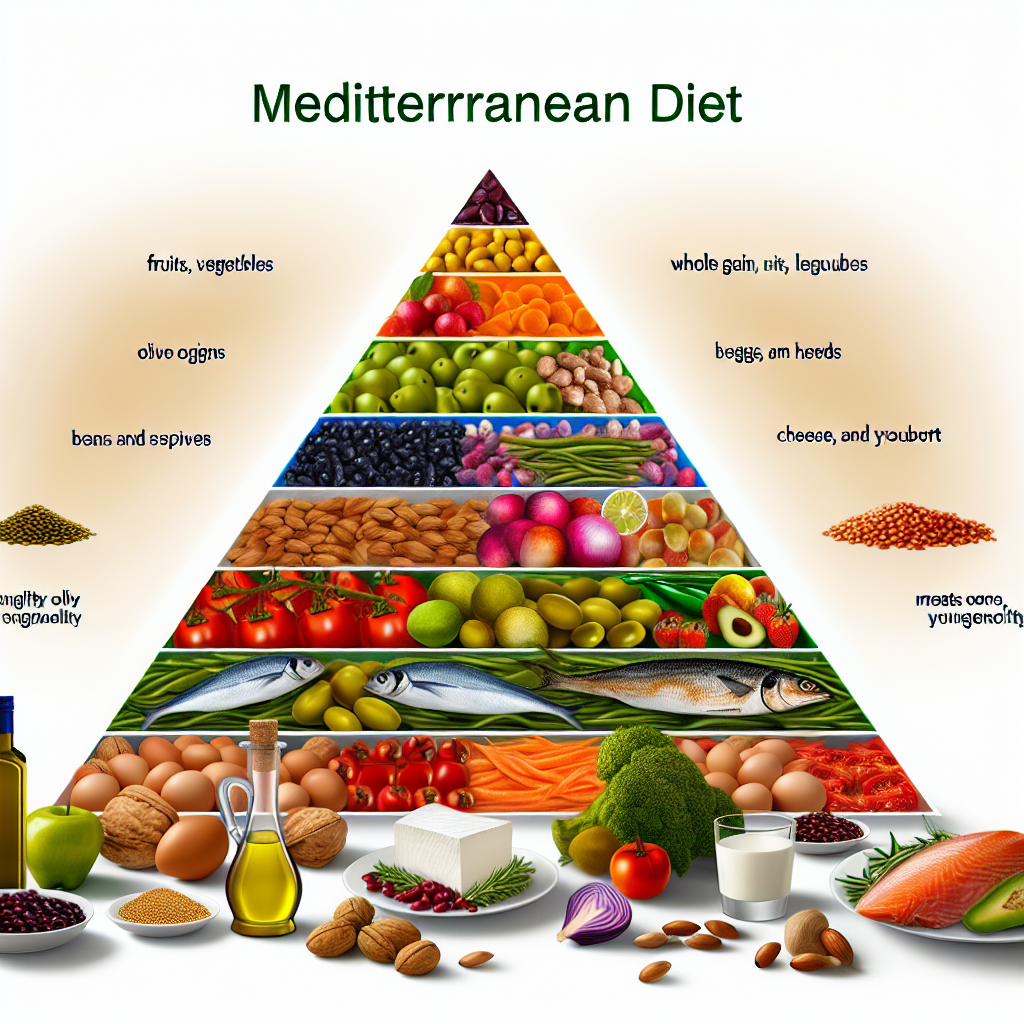
The Mediterranean Diet Longevity Pyramid emphasizes whole foods at its base—particularly seasonal fruits and vegetables, legumes, and unprocessed grains. These food groups are rich in natural antioxidants, vitamins, and anti-inflammatory compounds that support immunity, digestion, and disease resistance. Olive oil, a dietary cornerstone, offers therapeutic properties thanks to its monounsaturated fats and polyphenols.
Herbs like oregano, basil, rosemary, and thyme are integral not only for taste but also due to their **antimicrobial** and **anti-inflammatory** benefits. These herbs have been used for centuries in traditional healing systems to fortify immunity and promote digestive balance.
Within wellness communities, the Mediterranean diet has gained recognition as a reliable preventive health tool. It supports other holistic methods—like homeopathy and herbal medicine—by promoting internal harmony through natural nourishment. The diet is common among Blue Zone populations such as Ikaria, Greece, and Sardinia, Italy—regions famous for their high numbers of centenarians and low chronic disease rates.
By embracing this eating style, individuals adopt more than a diet—they welcome a sustainable, enjoyable way to achieve better energy, emotional health, and longevity.
Features and Scientific Studies Supporting the Mediterranean Longevity Pyramid
Scientific evidence supporting the **Mediterranean diet’s impact on longevity and disease prevention** has grown substantially in recent years. This diet directly aligns with natural health approaches, helping to reduce risks of chronic conditions without depending on medications.
One major study, PREDIMED (Prevención con Dieta Mediterránea), involved over 7,000 participants at high cardiovascular risk. It found that those following the Mediterranean diet—especially with added extra virgin olive oil or nuts—experienced a 30% lower rate of major cardiovascular events compared to those on a low-fat diet. These results emphasize the heart-protective role of nutrient-dense, anti-inflammatory foods.
A 2015 study published in JAMA Internal Medicine showed that seniors who adhered to the Mediterranean diet had a noticeably slower rate of cognitive decline and reduced likelihood of developing dementia. This cognitive protection stems from the high intake of omega-3 fatty acids, antioxidants, and polyphenols present in fish, nuts, olive oil, and green vegetables.
Regarding cancer prevention, a large meta-analysis in the American Journal of Clinical Nutrition discovered a consistent link between following this diet and lower overall cancer incidence and mortality. The presence of phytonutrients in foods like garlic, tomatoes, and leafy greens contributes to their profound anti-carcinogenic effects.
The diet also enhances gut microbiome balance, essential for both immune and mental well-being. A 2020 study in the journal Gut found that long-term Mediterranean diet adherence significantly increased microbial diversity in elderly individuals—a marker for reduced inflammation and improved metabolic health.
Beyond food, the longevity pyramid incorporates beneficial habits such as regular physical activity, social meal sharing, and rest—elements often emphasized in homeopathy and holistic living. When integrated with conscious lifestyle choices, the Mediterranean diet becomes a central pillar of natural wellness and disease prevention.
Conclusion
The Mediterranean Diet Longevity Pyramid symbolizes more than a guide to eating—it is a timeless blueprint for health grounded in tradition, science, and nature’s wisdom. Rich in nutrient-dense plants, therapeutic herbs, and heart-friendly fats, this diet aligns seamlessly with the values of holistic and natural healing.
By reducing reliance on synthetic medications and promoting overall balance, the Mediterranean dietary pattern empowers people to live **longer, healthier, and more vibrant lives**. Combined with physical activity, social engagement, and mindful rest, it fosters sustainable wellness and proactive aging.
Recognized by UNESCO as an intangible cultural heritage, the Mediterranean diet is not just flavorful and satisfying—it is an evidence-based path to lifelong vitality.
Concise Summary
The Mediterranean Diet Longevity Pyramid promotes whole, plant-based foods, olive oil, herbs, and mindful living to support a natural, holistic path to health. Backed by scientific studies, it lowers the risk of cardiovascular disease, cancer, cognitive decline, and promotes gut health. This time-tested lifestyle, rooted in the traditions of Mediterranean cultures and endorsed by wellness and natural health advocates, aligns with homeopathic and herbal treatment philosophies, supporting vitality without synthetic medications. It combines healthy food with community, rest, and physical activity—making it a complete, sustainable approach to disease prevention and longevity.
References
4. Ghosh, T.S. et al. (2020). Mediterranean diet intervention alters the gut microbiome. Gut Journal.
5. UNESCO. (2010). Mediterranean diet inscribed as intangible cultural heritage of humanity.

Dominic E. is a passionate filmmaker navigating the exciting intersection of art and science. By day, he delves into the complexities of the human body as a full-time medical writer, meticulously translating intricate medical concepts into accessible and engaging narratives. By night, he explores the boundless realm of cinematic storytelling, crafting narratives that evoke emotion and challenge perspectives.
Film Student and Full-time Medical Writer for ContentVendor.com