Insulin Sensitivity – Nutrition-Based Improvement
Introduction
In today’s fast-paced world dominated by processed foods and **sedentary lifestyles**, **insulin sensitivity** is a growing concern globally. **Insulin sensitivity** refers to how effectively your body uses **insulin** to regulate blood glucose levels. High **insulin sensitivity** means your body requires less **insulin** to move glucose from the bloodstream into cells for energy. On the other hand, low **insulin sensitivity**, or **insulin resistance**, results in high blood glucose levels, which increases the risk of **Type 2 diabetes**, **heart disease**, and **metabolic syndrome**.
Understanding how to naturally improve **insulin sensitivity** through diet is crucial for those looking to enhance overall health and prevent chronic illness. Our bodies have intricate systems that, when balanced correctly, support optimal energy production and metabolic function. Diet plays a significant role in these systems, with specific foods shown to boost **insulin sensitivity** and improve glucose metabolism.
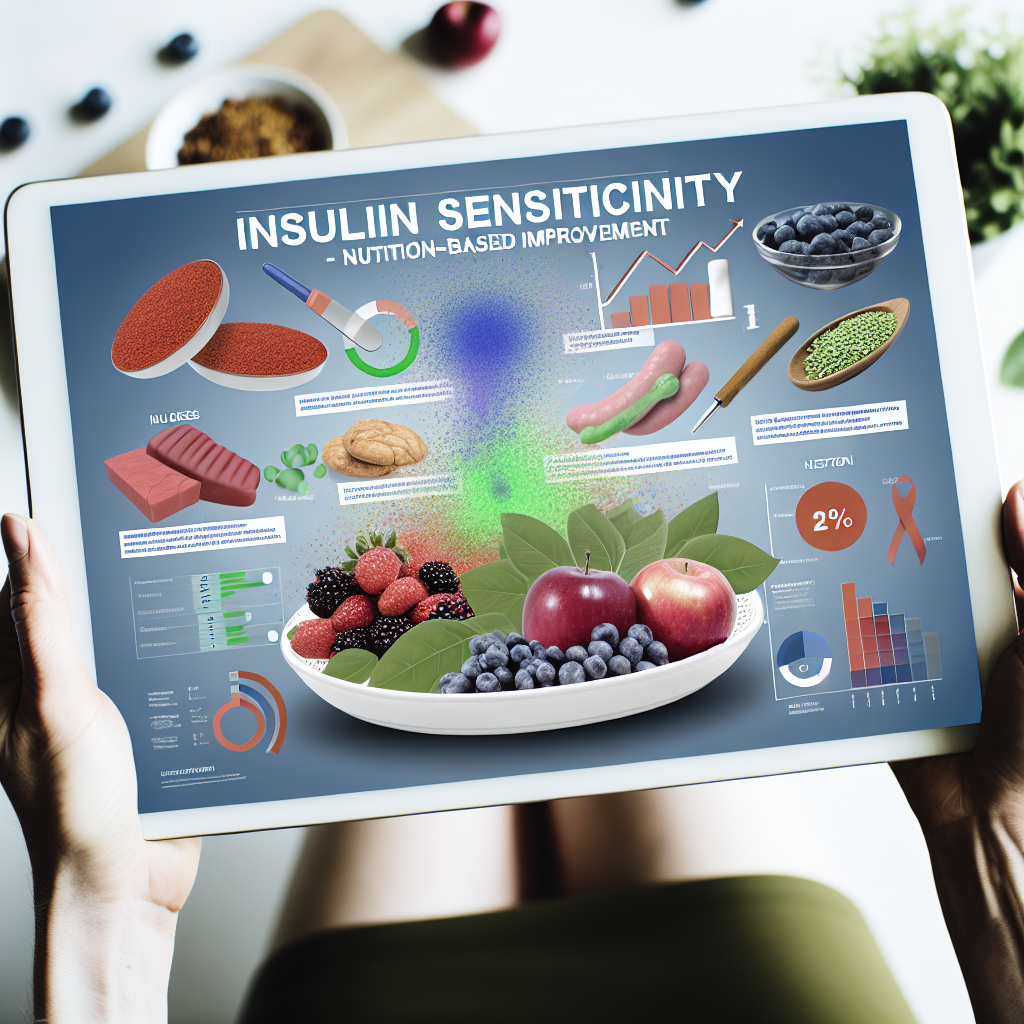
Incorporating the right foods into your daily diet can help naturally enhance your body’s insulin responsiveness. **Antioxidant-rich berries** such as blueberries, strawberries, and raspberries are excellent choices due to their high polyphenol content, which can improve **insulin action**. Leafy greens like spinach, kale, and arugula, with their low-caloric yet high nutrient density, support metabolic health and promote better glucose control.
**Healthy fats**, particularly those found in nuts, seeds, and fatty fish such as salmon and mackerel, are essential components of an **insulin-sensitizing diet**. These fats contain **omega-3 fatty acids** that improve **insulin sensitivity** and combat inflammation, commonly associated with **insulin resistance**. Whole grains, legumes, and lean proteins provide lasting energy and help balance blood sugar levels, reducing insulin spikes that could decrease **insulin sensitivity** over time.
By making conscious dietary choices and incorporating these **insulin-boosting foods** into your meals, you can enhance your body’s ability to respond to **insulin** efficiently, paving the way for better health and increased vitality.
Features
Research and medical studies have continually emphasized the profound impact of nutrition on **insulin sensitivity**. One prominent study published in the [Journal of Clinical Endocrinology & Metabolism](https://academic.oup.com/jcem/article/95/9/3763/2596322) highlighted the benefits of the **Mediterranean diet** in improving **insulin sensitivity**. This diet, rich in whole grains, nuts, and olive oil, was shown to effectively lower blood sugar and insulin levels over time compared to low-fat diets, illustrating the efficacy of healthy fats and whole foods on insulin regulation.
Further supporting this, a 2020 study published in [Diabetes Care](https://care.diabetesjournals.org/content/43/1/120) investigated the effects of **plant-based diets** on **insulin sensitivity**. Participants who consumed a diet emphasizing whole plant foods, including fruits, vegetables, whole grains, and legumes, showed significant improvements in **insulin action**. The high fiber content in these foods was key in slowing glucose absorption and enhancing blood sugar control.
Additionally, professional studies have explored specific nutrients and their impact on **insulin sensitivity**. **Magnesium**, a mineral found abundantly in nuts, seeds, and leafy greens, has shown potential in improving **insulin action**. A meta-analysis of multiple studies published in [Diabetes, Obesity and Metabolism](https://onlinelibrary.wiley.com/doi/full/10.1111/dom.12669) found that magnesium supplementation improved **insulin sensitivity** in individuals with a magnesium deficiency, suggesting a targeted approach to dietary nutrient intake.
**Flavonoids**, a diverse group of phytonutrients found in fruits, vegetables, tea, and dark chocolate, have been linked with improved **insulin sensitivity**. A study highlighted in the [American Journal of Clinical Nutrition](https://academic.oup.com/ajcn/article/90/2/493/4597240) demonstrated that individuals with higher flavonoid intakes had better **insulin sensitivity** and reduced inflammatory markers.
These studies underscore the profound impact of nutrition on enhancing **insulin sensitivity**, offering a proactive approach to health optimization through diet.
Conclusion
In conclusion, improving **insulin sensitivity** through nutrition is both attainable and beneficial, crucial in maintaining good health and reducing the risk of metabolic disorders. By prioritizing a balanced diet rich in whole foods, healthy fats, and fiber, you can enhance your body’s ability to utilize **insulin** efficiently. Embracing a **Mediterranean** or **plant-based** diet rich in colorful fruits and vegetables, whole grains, and **omega-3 fatty acids** is a science-backed strategy to support **insulin action**. Tailoring your diet to include **magnesium-rich foods** and **flavonoids** can further optimize **insulin sensitivity**, empowering you to lead a healthier, more energetic life. Always consult a healthcare professional or registered dietitian for personalized guidance to ensure your diet meets your nutritional needs and health goals. By adopting these nutritious practices, you champion your health today while safeguarding it against future challenges.
Concise Summary
Improving insulin sensitivity through nutrition is vital for reducing the risk of chronic illnesses such as Type 2 diabetes and heart disease. High insulin sensitivity enables better glucose metabolism and reduces the need for insulin. Incorporating a diet rich in antioxidant-rich berries, leafy greens, healthy fats from nuts and fatty fish, whole grains, and legumes enhances insulin action. The Mediterranean and plant-based diets rich in omega-3 fatty acids, magnesium, and flavonoids have been proven effective. These strategies promote health and energy, making nutrition a key player in insulin regulation and overall well-being.

Dominic E. is a passionate filmmaker navigating the exciting intersection of art and science. By day, he delves into the complexities of the human body as a full-time medical writer, meticulously translating intricate medical concepts into accessible and engaging narratives. By night, he explores the boundless realm of cinematic storytelling, crafting narratives that evoke emotion and challenge perspectives.
Film Student and Full-time Medical Writer for ContentVendor.com