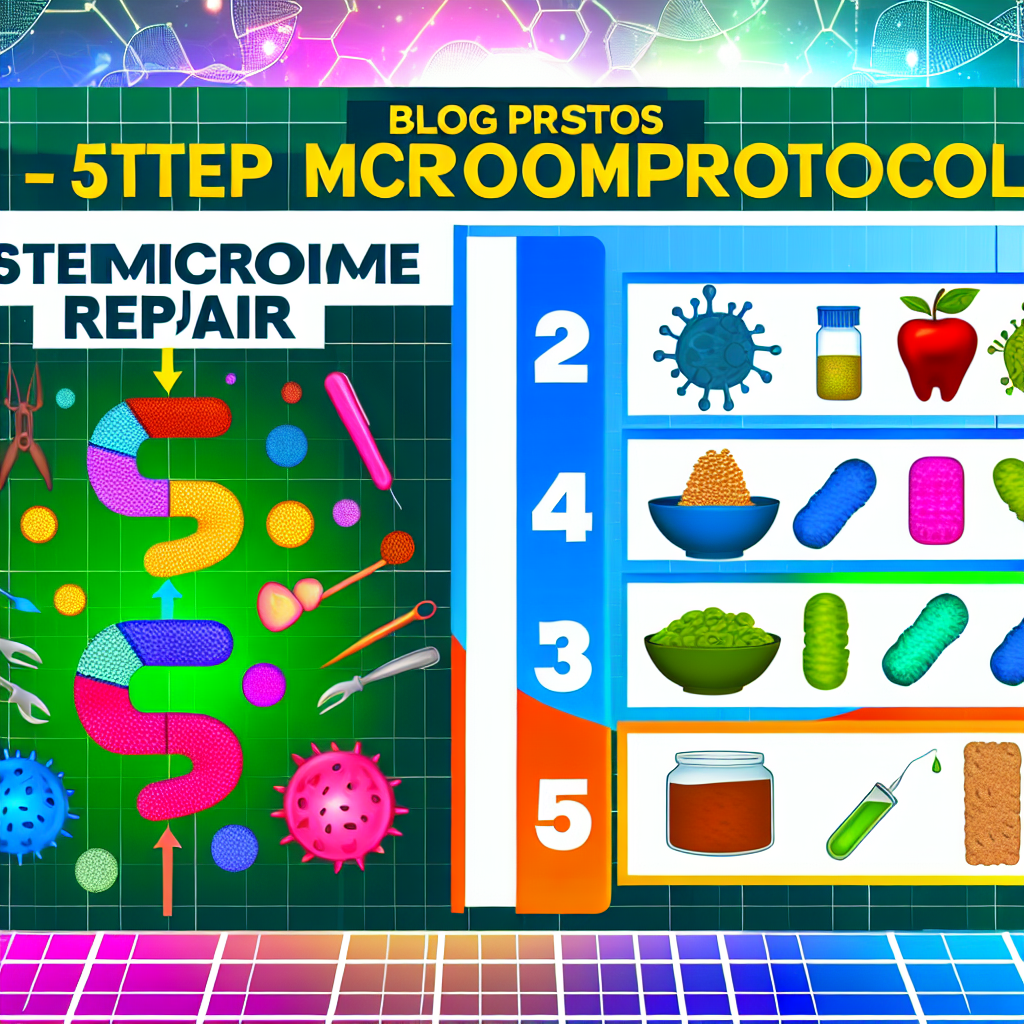
Gut Health Protocol – 5-Step Microbiome Repair
Unlocking Natural Healing through microbiome balance
Introduction
In recent years, the topic of gut health has exploded into mainstream awareness—and for good reason. The gut, often referred to as the “second brain,” plays a vital role not only in digestion but also in immunity, neurological functioning, energy production, and even emotional health. Researchers have begun to unravel the complexities of the human microbiome—a term used to describe the trillions of bacteria, viruses, fungi, and other microorganisms residing in our intestines—and it’s becoming increasingly clear that maintaining a healthy gut is key to overall wellness.
Many people experience digestive discomforts such as bloating, gas, constipation, or diarrhea without realizing that these could be symptoms of a deeper imbalance in the gut microbiome. When this balance is disrupted—through diet, stress, or medications—the result may be inflammation and increased intestinal permeability, also known as “leaky gut.” Beyond these immediate effects, poor gut health is now being linked with chronic conditions like autoimmune diseases, obesity, anxiety, depression, skin disorders, cardiovascular conditions, and even neurodegenerative issues like Alzheimer’s disease.
The good news is that the gut has a remarkable ability to heal, especially when provided with the right tools such as natural treatments, herbal support, and targeted nutritional guidance. Unlike synthetic medications that focus on temporarily suppressing symptoms, holistic and natural approaches aim to fix the root cause of the imbalance. This is done through lifestyle modifications, supportive dietary habits, and plant-based remedies that promote natural detoxification and microbial harmony.
This comprehensive, all-natural 5-Step Microbiome Repair Protocol is crafted for those looking to restore gut function using homeopathic, herbal, and food-based therapies. We’ll explore how to eliminate gut disruptors, introduce healing foods and herbs, rebuild beneficial bacterial colonies, and ensure long-term gut flora health through sustainable habits.
Whether you suffer from chronic digestive issues or simply wish to boost immunity, energy, and emotional resilience, this protocol is designed to guide you in healing your gut from the inside out. Health truly begins in the gut—and with the right support, your microbiome can thrive.
5-Step Microbiome Repair Protocol
Step 1: Remove Gut Disruptors
The first step in healing your gut is identifying and eliminating common disruptors. These include:
– Ultra-processed foods
– Refined sugars
– Hydrogenated oils
– Alcohol and artificial sweeteners
– Medications such as antibiotics and NSAIDs
– Psychological stress
These disrupt digestion, feed harmful microbes, and irritate the intestinal lining.
Natural solutions: Adopt a clean, anti-inflammatory diet based on whole, organic foods. Eliminate or reduce gluten, dairy, excess caffeine, and sugar. Natural antimicrobials like oregano oil, garlic, and berberine can be used short-term to reduce pathogenic overgrowth without harming beneficial gut flora.
Step 2: Replace with Digestive Support
When digestion is compromised, the body struggles to extract nutrients from food. A lack of hydrochloric acid and enzymes leads to poor digestion and intestinal burden.
Natural approach: Use digestive bitters such as gentian root, dandelion root, and ginger before meals to stimulate acid and enzyme secretion. You can also take supplemental digestive enzymes. Additionally, soothing herbal teas like peppermint, fennel, and chamomile aid digestion and ease gas or bloating.
A properly functioning digestive system ensures incoming foods are broken down efficiently and minimizes the risk of fermentation and sensitivity reactions in the gut.
Step 3: Repopulate with Beneficial Probiotics
Once harmful elements are removed and digestion is supported, it’s time to reintroduce healthy microbes.
Natural sources: Focus on fermented foods like kimchi, sauerkraut, kefir, fermented cucumber, miso, and kombucha. These options provide a wide range of Lactobacillus and Bifidobacterium species known for reducing inflammation, improving stool regularity, and balancing immunity.
You can also consider a broad-spectrum, high-quality probiotic supplement. Choose strains backed by research such as Lactobacillus acidophilus and Bifidobacterium bifidum.
Daily intake of these foods or supplements gradually reestablishes healthy microbial populations necessary for gut homeostasis.
Step 4: Repair the Intestinal Lining
A critical step often overlooked is restoring the intestinal lining. A weakened barrier plays a central role in the development of “leaky gut,” where undigested food, toxins, and bacteria leak into the bloodstream causing systemic inflammation and immune dysregulation.
Natural gut healers: L-glutamine is an amino acid that fuels intestinal cells and supports regeneration. Bone broth provides collagen and gelatin, which help repair mucosal tissues. Herbs like slippery elm, marshmallow root, and aloe vera juice provide mucilage, a gel-like substance that coats and soothes the gut lining. Deglycyrrhizinated licorice (DGL) controls inflammation and helps protect against acid stress.
This step restores resilience to the gut wall—promoting better tolerance of foods and protection against environmental and internal stressors.
Step 5: Rebalance with Lifestyle Changes
The last step is ensuring your healthy microbiome can flourish and stay balanced long-term.
Holistic tools: The gut-brain axis means that your nervous system, sleep habits, and stress response directly affect your gut health. Begin implementing mindfulness practices such as meditation, breathwork, yoga, and nature immersion (Shinrin-yoku). Prioritize quality sleep (7–9 hours per night) and introduce light daily exercise such as walking, stretching, or resistance training.
Additionally, consume plenty of prebiotic-rich foods like garlic, onions, leeks, asparagus, and bananas which feed your beneficial bacteria and assist in maintaining microbial diversity.
These small but powerful changes embed harmony into your daily life—and that consistency is key to long-term gut and immune health.
Scientific and Professional Backing
The crucial role the gut microbiota plays in health is now widely recognized in scientific literature and clinical practice. A review in Nature Reviews Gastroenterology & Hepatology demonstrated that the gut microbiome is central to a wide range of biological processes and chronic diseases—including autoimmune and neurological conditions.
Among natural therapies, berberine—a plant compound—has caught researchers’ attention. In a study published in Biomedicine & Pharmacotherapy, berberine was shown to reduce intestinal inflammation, support tight junction integrity, and shift gut bacteria toward healthier profiles.
In terms of dietary improvement, 2021 research from Stanford University found that high intake of fermented foods significantly increased microbial diversity while also decreasing a range of inflammatory biomarkers in participants.
Regarding supplementation, probiotics have impressive results. A meta-analysis in the World Journal of Gastroenterology confirmed that probiotics are beneficial for those with IBS—helping alleviate gas, bloating, irregular stools, and abdominal pain.
When talking about amino acids, the gut-healing abilities of L-glutamine stand out. The American Journal of Clinical Nutrition discussed its ability to restore mucosal immunity, regenerate intestinal cells, and improve absorption—making it an essential part of gut repair.
Lastly, chronic stress impairs microbiome diversity and immune competence through the gut-brain axis. An eye-opening study in Frontiers in Psychiatry highlighted that stress impacts microbial composition and permeability, contributing to the onset of inflammation and worsening mental health outcomes.
Together, these findings reinforce the effectiveness of nutrition- and herb-based protocols. Science is increasingly in alignment with ancient healing philosophies, validating that natural solutions are powerful tools for restoring gut balance and whole-body wellness.
Conclusion
Your gut is more than an organ of digestion—it’s your immune command center, your emotional barometer, and your body’s engine for nutrient absorption. Yet, modern diets, stress, and chemical exposures degrade this delicate system, setting the stage for disease and dysfunction.
This 5-Step Microbiome Repair Protocol offers a clear, nature-aligned roadmap to gut restoration. By sequentially removing irritants, replacing digestive components, repopulating with beneficial microbes, repairing the intestinal lining, and rebalancing with lifestyle shifts, you empower your body to return to homeostasis.
The benefits are far-reaching: sustained energy, radiant skin, emotional equilibrium, regular digestion, deeper sleep, and stronger immunity. With herbal remedies, mindful rhythm, and nourishing food as medicine, your gut can heal—and so can your life.
Start now. Your microbiome is ready to thrive—and so are you.
References:
1. Nature Reviews Gastroenterology & Hepatology – Gut microbiota and human health
2. Biomedicine & Pharmacotherapy – Gut health and Berberine
3. Cell Journal – Stanford Study on Fermented Foods
4. World Journal of Gastroenterology – Probiotics and IBS
5. American Journal of Clinical Nutrition – L-glutamine and Gut Health
6. Frontiers in Psychiatry – Stress and the Microbiome
Concise Summary:
This natural health guide introduces a holistic 5-step protocol to restore gut health. It involves removing dietary and chemical irritants, supporting digestion, introducing beneficial probiotics, healing the gut lining with herbal remedies, and adopting lifestyle changes like stress reduction and sleep improvement. Grounded in recent scientific research, each step is designed to rebalance the microbiome naturally. Benefits include improved digestion, immunity, mood, skin health, and energy. Whether you are dealing with chronic symptoms or aiming for overall wellness, this approach provides a powerful way to heal from the inside out—using food, herbs, and mindful living.

Dominic E. is a passionate filmmaker navigating the exciting intersection of art and science. By day, he delves into the complexities of the human body as a full-time medical writer, meticulously translating intricate medical concepts into accessible and engaging narratives. By night, he explores the boundless realm of cinematic storytelling, crafting narratives that evoke emotion and challenge perspectives.
Film Student and Full-time Medical Writer for ContentVendor.com