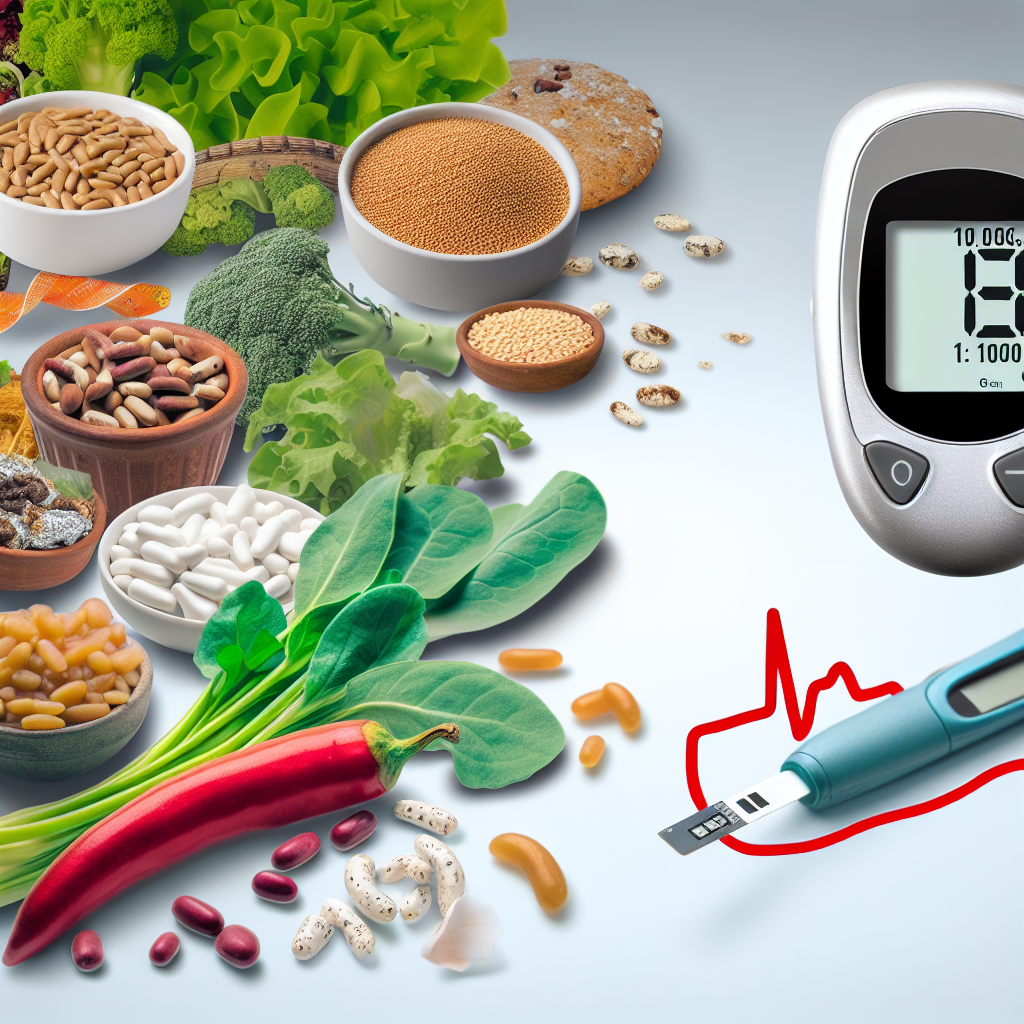
Glycemic Load Management – Blood Sugar Stability
Introduction
In today’s health-conscious society, more individuals are moving away from highly processed diets and turning toward nutritional strategies and natural remedies to support holistic wellness. One of the most impactful tools in this approach is the management of glycemic load (GL), which directly influences blood sugar stability—a key factor in maintaining balanced energy levels, stable mood, and long-term metabolic health.
While the glycemic index (GI) assesses how quickly a food spikes blood glucose, glycemic load takes it a step further by considering both the quality and quantity of carbohydrates. This offers a more holistic insight into how foods influence glucose levels. For instance, watermelon has a high GI but a low GL due to its low carbohydrate density and high water content, meaning it does not have a significant impact on blood sugar.
Maintaining stable blood glucose levels helps prevent common issues such as energy crashes, irritability, and hunger fluctuations. More importantly, it reduces the risk of developing conditions like Type 2 diabetes, prediabetes, and cardiovascular disease. Overconsumption of high glycemic load foods can lead to insulin resistance, while managing glycemic load through smart food choices supports hormonal balance, satiety, mental clarity, and weight control.
Incorporating natural supplements and herbal remedies amplifies the effectiveness of diet-based glycemic control. Herbs and nutrients like cinnamon, fenugreek, gymnema sylvestre, and chromium can significantly boost insulin sensitivity. Meanwhile, whole foods like berries, legumes, nuts, and leafy greens help reduce glucose fluctuations.
This integrative method is aligned with the food-as-medicine philosophy, promoting a sustainable way to improve blood sugar naturally while addressing underlying causes rather than just symptoms.
Features and Professional Studies
Multiple scientific studies have validated the connection between glycemic load and metabolic health. A pivotal 2016 systematic review in the journal Nutrients showed that diets centered on low glycemic load foods were significantly associated with a decreased risk for Type 2 diabetes and heart disease. Participants also enjoyed better post-meal (postprandial) glucose control and improved insulin sensitivity. [View study](https://www.ncbi.nlm.nih.gov/pmc/articles/PMC5037549/)
An influential study from the American Journal of Clinical Nutrition further explored this by comparing high versus low glycemic load diets. Results demonstrated that individuals consuming low-GL diets experienced more effective weight loss and better metabolic health markers—even when caloric intake was comparable. This underscores the point that glycemic load influence extends beyond mere calories. [View study](https://academic.oup.com/ajcn/article/87/3/627/4633286)
Beyond food choices, nature provides effective tools through powerful glucose-regulating supplements:
– Cinnamon: Especially Ceylon cinnamon, has shown efficacy in lowering fasting blood glucose and improving cholesterol levels. A 2013 meta-analysis confirmed statistically significant improvements in individuals with Type 2 diabetes. [View study](https://www.ncbi.nlm.nih.gov/pmc/articles/PMC3749011/)
– Gymnema sylvestre: Traditionally used in Ayurvedic medicine, it contains compounds that block sugar absorption in the intestines and influence glucose metabolism. A 2017 review in Frontiers in Pharmacology detailed these therapeutic properties. [View study](https://www.ncbi.nlm.nih.gov/pmc/articles/PMC5567597/)
– Chromium picolinate: This essential trace mineral enhances insulin signaling and improves glucose uptake in cells. The National Institutes of Health recognizes it as effective in managing insulin resistance and blood sugar regulation. [View NIH fact sheet](https://ods.od.nih.gov/factsheets/Chromium-HealthProfessional/)
Combined with a nutrient-dense, low-glycemic diet, these therapeutic supplements can significantly decrease reliance on pharmacological treatment and support a resilient metabolic system.
Conclusion
Glycemic load management has become a cornerstone in achieving blood sugar stability and preventing long-term metabolic disorders. Unlike the glycemic index, glycemic load gives a full-spectrum view of how particular foods impact blood sugar, emphasizing both the type and amount of carbohydrate.
Choosing foods like whole grains, nuts, legumes, and vegetables helps avoid the dangerous blood sugar spikes associated with processed and refined carbs.
When paired with research-backed natural supplements including cinnamon, gymnema sylvestre, and chromium picolinate, individuals are equipped with a multifaceted, holistic strategy for improving glucose regulation.
Altogether, these tools represent more than dietary tips—they embody a wellness philosophy where food and nature become powerful instruments for healing and sustained vitality.
References
– Glycemic Index and Load in Relation to Chronic Disease Risk – Nutrients Journal
– Glycemic Load and Weight Management – American Journal of Clinical Nutrition
– Effects of Cinnamon on Glucose and Lipid Levels – Annals of Family Medicine
– Role of Gymnema Sylvestre in Glucose Reduction – Frontiers in Pharmacology
– Chromium and Glucose Metabolism – National Institutes of Health
Concise Summary
Understanding and managing glycemic load—a measure combining carbohydrate quality and quantity—is key to achieving stable blood sugar levels, improved energy, and metabolic health. Unlike the glycemic index, glycemic load gives a more complete picture of a food’s impact. Scientifically supported dietary and natural supplement interventions, including cinnamon, gymnema sylvestre, and chromium picolinate, help reduce insulin resistance and support sustained glucose control. Integrating these into one’s diet aids in the prevention and management of Type 2 diabetes and promotes a holistic, food-as-medicine approach to long-term wellness.

Dominic E. is a passionate filmmaker navigating the exciting intersection of art and science. By day, he delves into the complexities of the human body as a full-time medical writer, meticulously translating intricate medical concepts into accessible and engaging narratives. By night, he explores the boundless realm of cinematic storytelling, crafting narratives that evoke emotion and challenge perspectives.
Film Student and Full-time Medical Writer for ContentVendor.com