From Plate to Prescription: How AI-Driven Nutritional Genomics is Revolutionizing Chronic Disease Management
Introduction
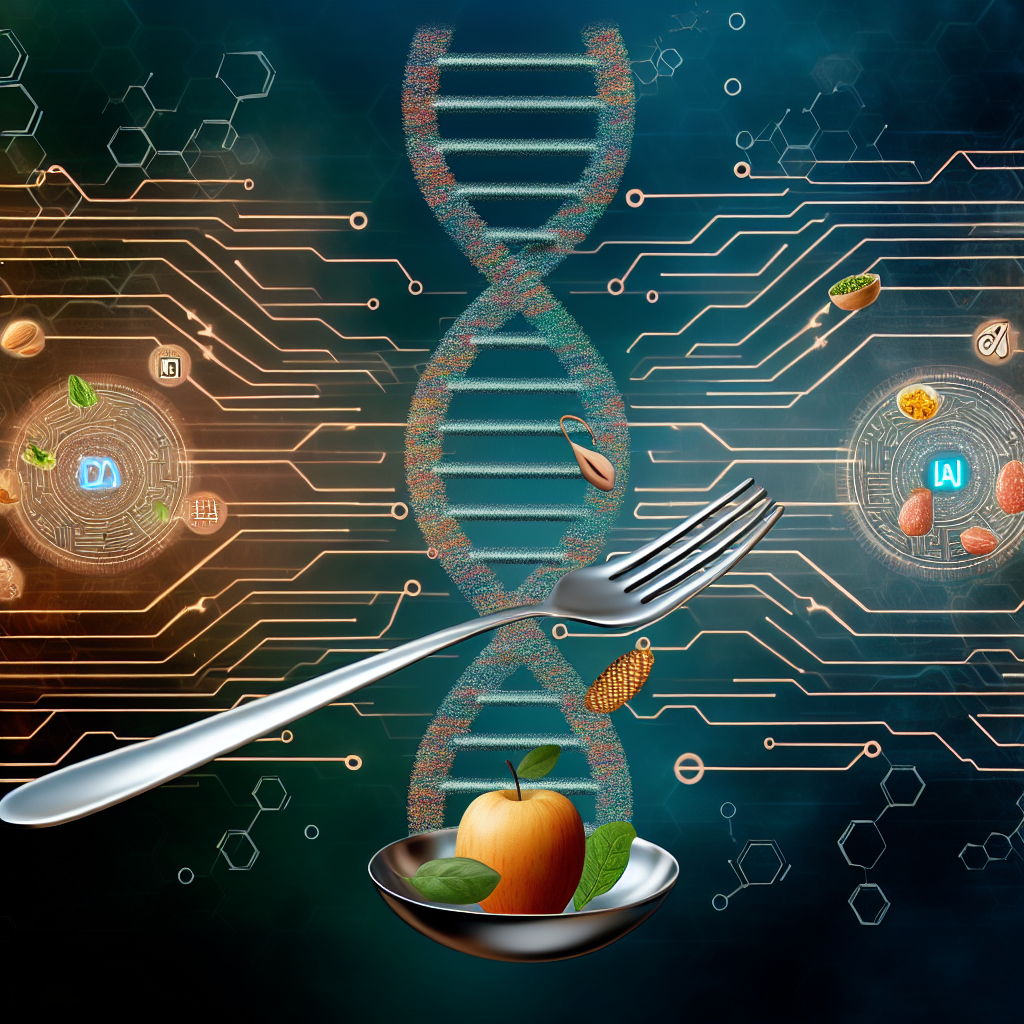
The intersection of Artificial Intelligence (AI), nutritional genomics, and chronic disease management is ushering in a new era in healthcare, one where our plates could be as influential in our wellness journey as our medicine cabinets. As the healthcare industry grapples with the increasing prevalence of chronic diseases, there is a growing interest in personalized medicine—particularly nutritional genomics, which examines how our genetic makeup influences our response to foods. When coupled with AI, this scientific approach is set to revolutionize how we prevent, manage, and treat chronic conditions such as diabetes, cardiovascular diseases, and obesity.
AI’s profound ability to process vast amounts of data swiftly and accurately has enabled the identification of complex patterns and correlations between diet, genes, and health outcomes. This computational power has the potential to redefine nutritional advice, moving it from a one-size-fits-all model to a highly customized approach. For instance, what may be a superfood for one individual could be a dietary antagonist for another, dependent on their unique genetic code—a facet that AI can illuminate with precision.
Chronic diseases account for a significant portion of global health issues, and traditional management often focuses on symptom alleviation rather than root cause identification. Here is where AI-driven nutritional genomics shines, offering potential for early diagnosis, prevention strategies, and personalized interventions that could shift the paradigm from reactive to proactive care. This synthesis of technology and science not only emphasizes the uniqueness of each individual’s genetic constitution but also ensures that dietary recommendations are more finely tuned and evidence-based.
The confluence of AI and nutritional genomics not only empowers individuals to make informed dietary choices that align with their genetic data but also paves the way for healthcare professionals to design targeted interventions. It is reshaping chronic disease management into a more resilient and responsive system, tailored not just to mitigate symptoms but to enhance overall quality of life and longevity. This modern integration of biotechnology holds promise for alleviating the global burden of chronic diseases and catapulting healthcare into a more personalized and preventive domain.
Features
AI-driven nutritional genomics is receiving escalated attention from both the scientific and medical communities due to its potential to transform chronic disease management. Numerous studies underscore this promising intersection, validating its applications in optimizing health outcomes through personalized nutrition regimens.
A seminal study showcased in [*Nature Medicine*](https://www.nature.com/articles/s41591-020-0895-0) highlights how algorithms are employed to predict blood glucose responses from meals, based on personalized data including genetics, microbiome composition, and lifestyle factors. This study elucidated the variability in individual responses to identical meals, emphasizing the need for personalized dietary plans to manage conditions like diabetes more effectively.
Moreover, research published by the [*Journal of Personalized Medicine*](https://www.mdpi.com/2075-4426/10/4/152) explored AI’s role in interpreting large-scale genome data to extract actionable health insights. The study discussed AI’s ability to facilitate the identification of genetic markers that predispose individuals to certain dietary sensitivities or nutrient-deficiency risks. Thus, enabling the customization of nutritional advice to prevent or manage chronic illnesses.
Additionally, the [*American Journal of Clinical Nutrition*](https://academic.oup.com/ajcn/article/116/2/486/6281568) featured trials involving the use of AI-systems in the surveillance of dietary intake and its impacts on cardiovascular health. The study results were significant, showcasing reductions in cholesterol levels and arterial pressure among participants adhering to AI-customized diets, aligned with their unique genetic profiles.
These findings align with the ongoing endeavor to integrate advanced computational technologies in preventive health strategies, offering innovative ways to tackle the chronic disease epidemic. AI not only enhances our understanding of gene-diet interactions but also refines the application of nutritional genomics in everyday clinical practice. By converting complex genetic data into simple, actionable dietary modifications, AI prepares the groundwork for a transformative approach to health and wellness—one that prioritizes personalized care and individual health optimization.
Conclusion
As the synergy between AI and nutritional genomics evolves, the potential to overhaul chronic disease management becomes increasingly viable. By recognizing the individualized nature of gene-diet interactions, AI-driven approaches facilitate an in-depth understanding of how nutrition affects one’s health, opening doors to more effective personalized interventions. This revolution not only holds great promise for reducing the prevalence of chronic diseases but also empowers individuals with the knowledge and tools to actively participate in their health management. By bridging technology and nutrition, we are not only improving current healthcare landscapes but also setting the groundwork for a healthier, more resilient future. The journey from plate to prescription epitomizes a progressive step toward a paradigm where optimal health is achievable and sustainable for everyone, leveraging the power of their own genetic footprints.
Concise Summary
The integration of AI, nutritional genomics, and chronic disease management is transforming healthcare by offering personalized nutrition plans. AI enables analysis of genetic data to tailor dietary advice, moving away from generic recommendations. Studies in journals like [*Nature Medicine*](https://www.nature.com/articles/s41591-020-0895-0) and the [*American Journal of Clinical Nutrition*](https://academic.oup.com/ajcn/article/116/2/486/6281568) highlight AI’s ability to predict personalized dietary responses and improve cardiovascular health. This approach encourages proactive care and empowers individuals to use genetic insights for better health management, marking a significant step towards personalized and preventive healthcare.

Dominic E. is a passionate filmmaker navigating the exciting intersection of art and science. By day, he delves into the complexities of the human body as a full-time medical writer, meticulously translating intricate medical concepts into accessible and engaging narratives. By night, he explores the boundless realm of cinematic storytelling, crafting narratives that evoke emotion and challenge perspectives.
Film Student and Full-time Medical Writer for ContentVendor.com