Food Allergy vs Intolerance – Diagnostic Guide
Introduction
Navigating the world of dietary health can be overwhelming, especially when encountering adverse reactions to certain foods. Many people use the terms **food allergy** and **food intolerance** interchangeably, yet they represent distinct medical conditions with different implications for health. Understanding the differences between these two can aid in proper diagnosis and management, enhancing lifestyle quality and safety for affected individuals.
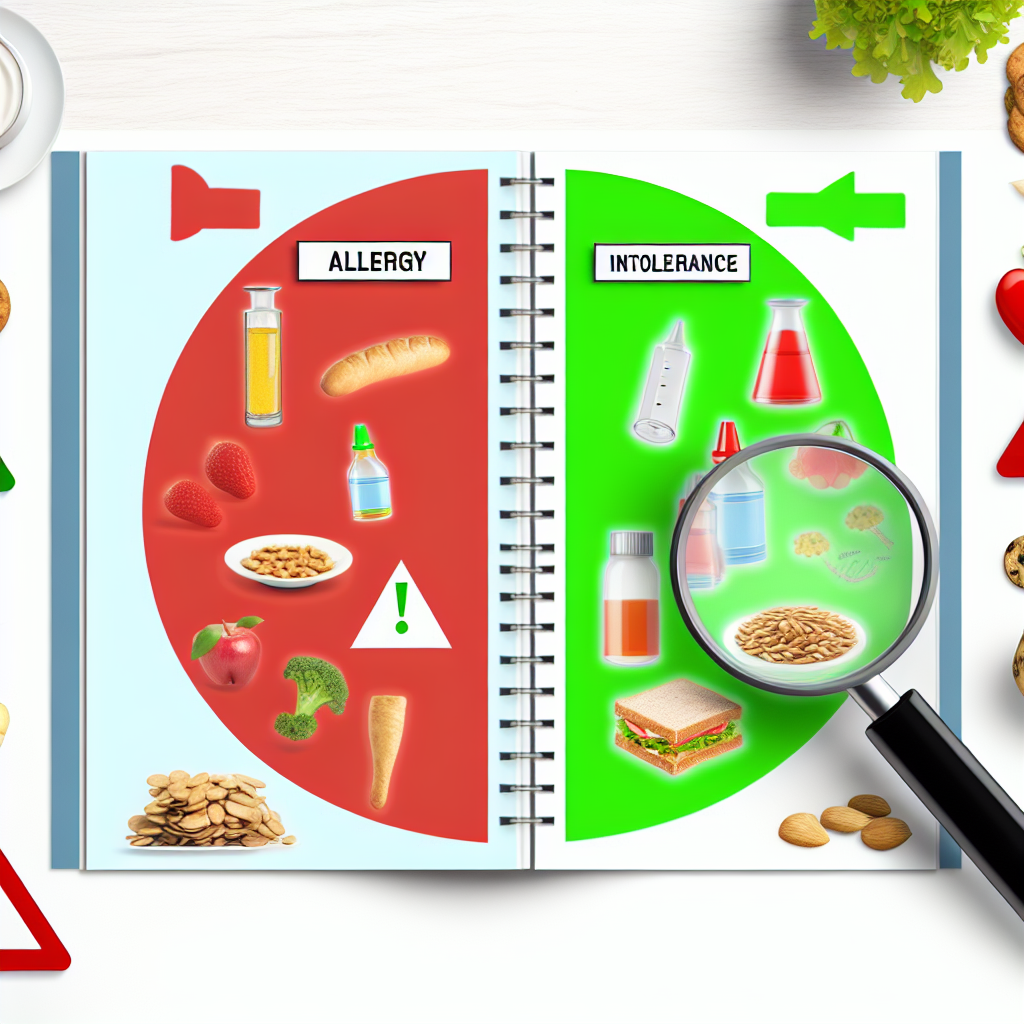
A **food allergy** involves an **immune system response** where the body mistakenly identifies a particular food as a threat, triggering a range of symptoms from mild (such as hives or itching) to severe and potentially life-threatening conditions known as **anaphylaxis**. Common allergens include peanuts, tree nuts, milk, eggs, fish, shellfish, wheat, and soy. These reactions can occur quickly after consuming the offending food, and even a small amount can trigger symptoms.
In contrast, **food intolerance** is generally less severe and does not involve the **immune system**. It refers to a **digestive system response** that can cause discomfort, such as bloating, gas, diarrhea, or stomach pain, after consuming specific foods. **Lactose intolerance** is a well-known example, occurring when the body lacks the enzyme **lactase** necessary to break down **lactose**, the sugar found in milk and dairy products. It’s important to note that while food intolerances can cause significant discomfort, they are not life-threatening.
The distinction between **food allergy** and **intolerance** is crucial because it affects how each condition is managed. Allergies often require strict dietary avoidance of the allergen and sometimes the use of medications like antihistamines or epinephrine auto-injectors. Intolerances might be managed by dietary adjustments, such as reducing the amount of the problematic food or using enzyme supplements.
Given the potential severity of allergic reactions, proper diagnosis is essential for safety and wellbeing. Diagnosing food sensitivities accurately often involves clinical evaluations, thorough medical histories, and diagnostic testing by healthcare professionals. For those navigating this complex landscape, understanding the nuances between food allergies and intolerances is vital.
Features
Professional studies underscore the necessity of differentiating between **food allergies** and **intolerances** to avoid misdiagnosis and ensure proper management. The **National Institute of Allergy and Infectious Diseases (NIAID)** released guidelines for the diagnosis and management of food allergies, highlighting the need for accurate medical history assessments and standardized testing methods such as **skin prick tests** and **serum-specific IgE tests**. These diagnostic tools can confirm the presence of an IgE-mediated allergic reaction.
Research published in the Journal of Allergy and Clinical Immunology supports the efficacy of these approaches. A study discussed within emphasizes the importance of identifying specific IgE antibodies related to food triggers, providing a biological basis for diagnosis and offering a path for allergen avoidance strategies. The study underscores that while **food challenges** (controlled administration of the suspected allergen) remain the gold standard for confirming food allergies, they should only be conducted under professional supervision due to the risk of severe reactions.
For **food intolerances**, healthcare professionals often rely on a combination of **elimination diets** and symptom tracking. The **British Medical Journal (BMJ)** suggests that temporary elimination of suspected foods followed by cautious reintroduction can help identify trigger foods. Recent advances in the understanding of the gut microbiome also offer new insights, suggesting that **microbial imbalances** may contribute to food intolerances, as discussed in the Nature Reviews Gastroenterology & Hepatology.
Emerging research aims to refine diagnostic approaches further, offering hope for more individualized and effective treatments. The EU-funded **iFAAM** (Integrated Approaches to Food Allergen and Allergy Risk Management) project has sought to improve allergen management through refined diagnostic procedures and consumer education, emphasizing the role of standardized testing and clear dietary guidelines in improving patient outcomes.
Conclusion
**Food allergies** and **intolerances** are prevalent issues that require careful management and distinct approaches to diagnosis and treatment. Recognizing the **immune-based nature** of food allergies versus the **digestive system involvement** in intolerances guides effective management strategies, safeguarding individuals from unnecessary or ineffective interventions. Through accurate diagnosis facilitated by medical assessments and emerging scientific research, individuals can achieve better health outcomes and improved quality of life.
The growing body of research continues to develop our understanding of these conditions, offering hope for more targeted and effective interventions in the future. As science progresses, so does the potential for more accurate diagnostic techniques and novel treatment options, ultimately leading to more empowered and informed dietary choices for those affected. Understanding these differences ensures not only individual wellbeing but also fosters broader public health through education and awareness.
**References**
1. [National Institute of Allergy and Infectious Diseases Guidelines: Food Allergy Guidelines](https://www.niaid.nih.gov/diseases-conditions/food-allergy-guidelines)
2. [Journal of Allergy and Clinical Immunology: Food Allergy Research](https://www.jacionline.org/)
3. [British Medical Journal: Elimination Diets for Intolerance](https://www.bmj.com/)
4. [Nature Reviews Gastroenterology & Hepatology: Microbiome and Food Intolerance](https://www.nature.com/nrgastro/)
5. [iFAAM Project: Integrated Food Allergen Management](https://www.internationalfoodallergy.org/)
**Concise Summary**
Understanding the distinction between **food allergies** and **intolerances** is crucial for effective management and safety. **Food allergies** trigger an **immune response** and can be life-threatening, while **intolerances** involve the **digestive system** and cause discomfort. Accurate diagnosis via methods like skin tests and elimination diets aids effective management. Ongoing research strives to refine diagnostic techniques and treatments, enhancing health outcomes and improving quality of life for affected individuals.

Dominic E. is a passionate filmmaker navigating the exciting intersection of art and science. By day, he delves into the complexities of the human body as a full-time medical writer, meticulously translating intricate medical concepts into accessible and engaging narratives. By night, he explores the boundless realm of cinematic storytelling, crafting narratives that evoke emotion and challenge perspectives.
Film Student and Full-time Medical Writer for ContentVendor.com