Diabetes Meal Planning – Glucose Control Guide
Introduction
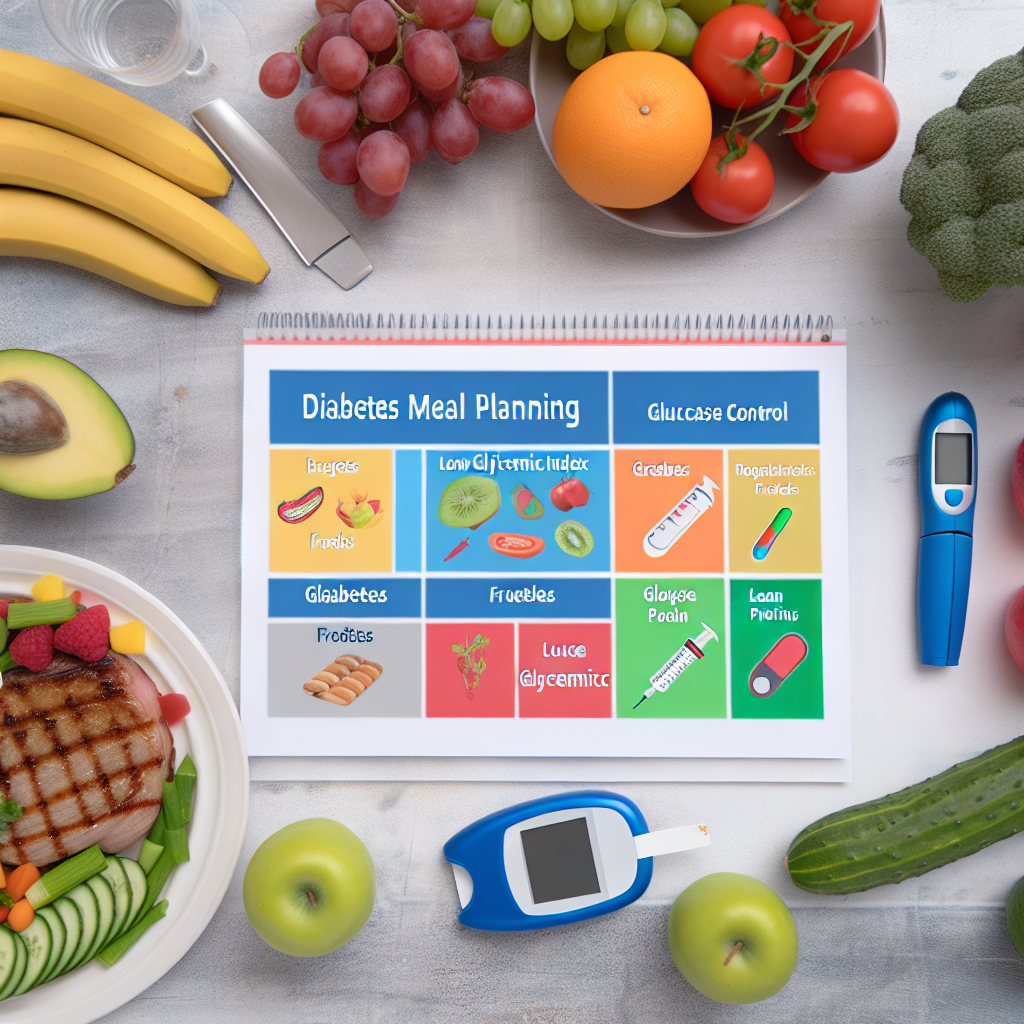
Managing diabetes effectively goes beyond medications—it’s a holistic journey that integrates nutrition, lifestyle, and natural therapies. At the heart of this journey lies meal planning. Structured and mindful diabetes meal planning helps maintain stable blood sugar levels, boosts energy, and prevents complications.
A balanced meal plan includes complex carbohydrates, lean proteins, and healthy fats while steering clear of added sugars and heavily processed foods. Moreover, incorporating natural remedies—such as cinnamon, bitter melon, fenugreek, and turmeric—adds therapeutic value by enhancing insulin sensitivity and supporting blood glucose regulation.
Understanding the glycemic index (GI) is vital for crafting diabetic-friendly meals. Foods rated with a low to medium GI break down more slowly, ensuring steadier glucose levels and sustained energy.
Equally important is portion control. Even healthy foods can elevate glucose when consumed in excess. When combined with consistent meal timing, individuals can better align their dietary patterns with natural insulin rhythms, leading to more predictable blood sugar responses.
Natural support through herbal remedies, such as drinking bitter gourd juice in the morning or adding moringa leaf powder to meals, has shown promising results in various traditional and evidence-based practices.
Ultimately, combining informed food choices with supportive natural practices leads to a proactive approach that empowers individuals to manage diabetes confidently and effectively.
Scientific & Medical Insights into Diabetes Meal Planning
Diabetes is a chronic metabolic disorder where the body either does not produce sufficient insulin or cannot effectively use the insulin it produces. This dysfunction leads to elevated blood sugar levels. Nutrition plays a crucial role in controlling these levels and improving overall outcomes.
According to research from the American Diabetes Association, individualized nutrition plans that consider a person’s glucose levels, weight goals, and medications can enhance glycemic control and reduce A1C—an average measure of blood glucose over three months.
One foundational principle in diabetes nutrition is the glycemic index (GI). A study from The American Journal of Clinical Nutrition found that low-GI diets significantly reduced post-meal glucose spikes and lowered A1C levels. Foods like legumes, steel-cut oats, and non-starchy vegetables belong to this category and are ideal staples for individuals managing diabetes.
Several natural foods and ingredients demonstrate blood sugar-regulating properties:
– Cinnamon: A meta-analysis published in the Annals of Family Medicine found it reduced fasting blood glucose and improved cholesterol in people with Type 2 diabetes. Daily intake of 1–6 grams may improve insulin function.
– Bitter Melon (Momordica charantia): Known in traditional medicine for mimicking insulin and promoting glucose uptake. A study in the Journal of Ethnopharmacology confirmed its blood sugar-lowering effects in individuals with Type 2 diabetes.
– Fenugreek Seeds: Rich in soluble fiber and known to improve insulin sensitivity. According to a study published in Phytotherapy Research, fenugreek significantly reduced blood sugar levels and improved metabolic parameters.
– Turmeric as an anti-inflammatory agent also contributes to improved metabolic health. Curcumin, its active component, has shown promising results in clinical settings.
Incorporating these herbs in a structured dietary plan can be a natural and accessible way to complement traditional medications.
Homeopathic approaches, while not as strongly supported by clinical trials, have been traditionally used to support diabetic health. Herbs like Syzygium Jambolanum and Uranium Nitricum are believed to reduce sugar levels and support pancreatic function. Their effectiveness, however, requires more robust scientific validation.
Timing is also critical. In a 2016 study from the Journal of Clinical Endocrinology & Metabolism, researchers found that larger meals consumed earlier in the day improved insulin sensitivity and regulated blood glucose more effectively. Eating in alignment with natural circadian rhythms may enhance the body’s ability to process glucose efficiently.
Conclusion
Diabetes meal planning goes far beyond choosing healthy meals—it’s a life-enhancing practice that empowers individuals to take control of their health. Through thoughtful balance of quality carbohydrates, lean proteins, and healthy fats, one can minimize sugar fluctuations and increase vitality.
Adding herbs like bitter melon, cinnamon, fenugreek, and turmeric, whether as teas, supplements, or in food preparation, deepens the therapeutic potential of everyday meals.
Every person’s needs and lifestyle are different, so flexible and personalized planning is essential. By combining scientific insights with natural healing traditions, and enlisting professionals like nutritionists and holistic practitioners, individuals can design a sustainable and effective diabetes care plan.
References
– American Diabetes Association. Standards of Medical Care in Diabetes – Diabetes Care
– Wolever TMS et al. Low glycemic index diet and glycemic control – The American Journal of Clinical Nutrition
– Allen RW, Schwartzman E, Baker WL. Cinnamon in Glycemic Control – Annals of Family Medicine
– Ahmad Z et al. Bitter Melon and Glycemic Control – Journal of Ethnopharmacology
– Gupta A et al. Efficacy of Fenugreek – Phytotherapy Research
– Jakubowicz D et al. Meal Timing and Circadian Rhythms – Journal of Clinical Endocrinology & Metabolism
Concise Summary
Smart and informed diabetes meal planning empowers individuals to maintain healthy blood sugar levels and live vibrantly. By balancing low-glycemic carbs, lean proteins, and healthy fats while integrating natural remedies such as cinnamon, bitter melon, and fenugreek, one can enhance insulin sensitivity and reduce glucose spikes. Understanding glycemic index, maintaining portion control, and aligning meals with circadian rhythms are critical strategies. When supported by scientific evidence and holistic approaches, and personalized to individual needs, diabetes meal planning becomes a transformative key to long-term health and glucose control.

Dominic E. is a passionate filmmaker navigating the exciting intersection of art and science. By day, he delves into the complexities of the human body as a full-time medical writer, meticulously translating intricate medical concepts into accessible and engaging narratives. By night, he explores the boundless realm of cinematic storytelling, crafting narratives that evoke emotion and challenge perspectives.
Film Student and Full-time Medical Writer for ContentVendor.com