Decode Your DNA: Personalize Nutrition with Genomic Food Matching for Chronic Disease Management
Introduction
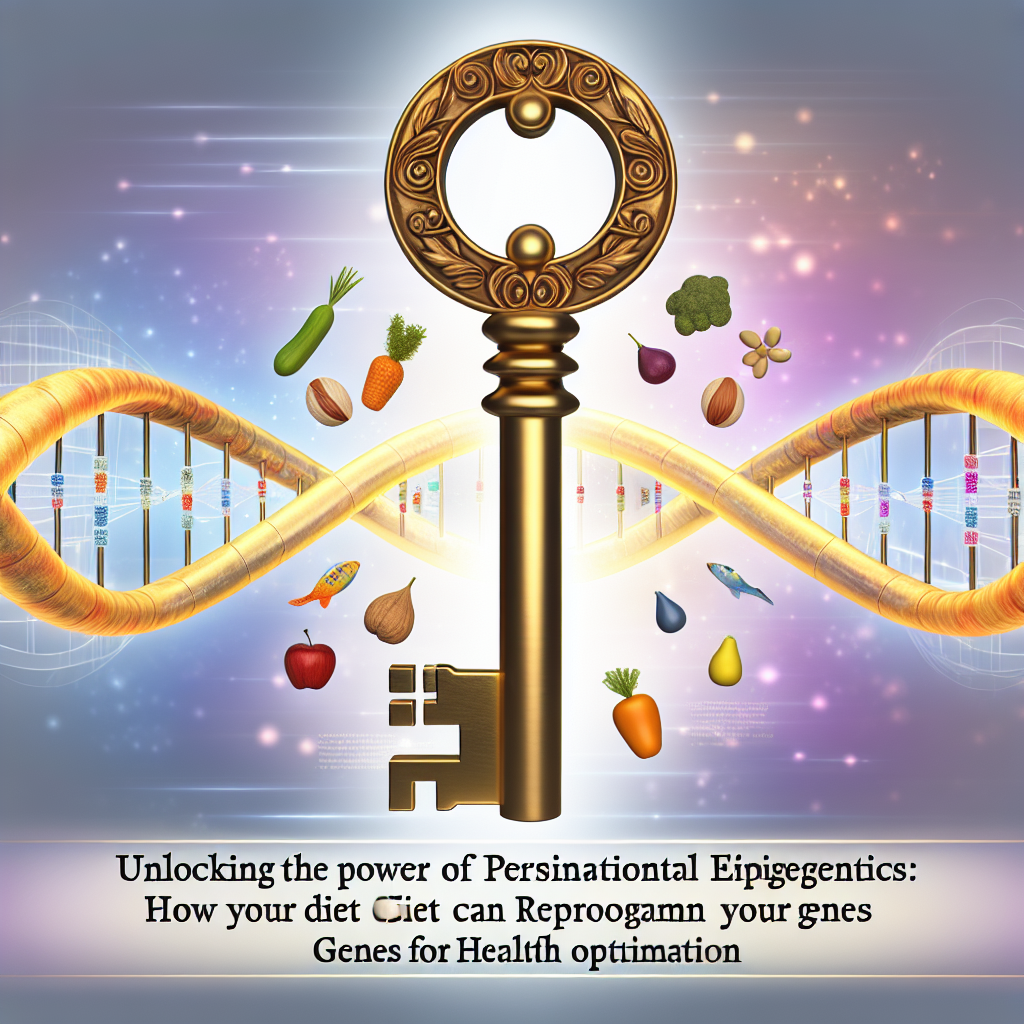
In our modern age of technological and scientific breakthroughs, the phrase “you are what you eat” takes on a new dimension. The burgeoning field of **nutrigenomics**—the study of the interaction between **nutrition and genetics**—offers fascinating insights into how our diets can be personalized to fit our unique genetic makeups. This innovation may be a game-changer for managing **chronic diseases** such as **diabetes**, **cardiovascular diseases**, and **autoimmune disorders**.
As we delve into the 21st century, it’s becoming increasingly evident that a one-size-fits-all approach to nutrition is insufficient for addressing the complexities of human health. Chronic diseases are the leading cause of mortality globally, yet they are often influenced by diet-related factors. This is where **genomic food matching** enters the picture, offering a tailored nutritional approach based on each individual’s genetic profile.
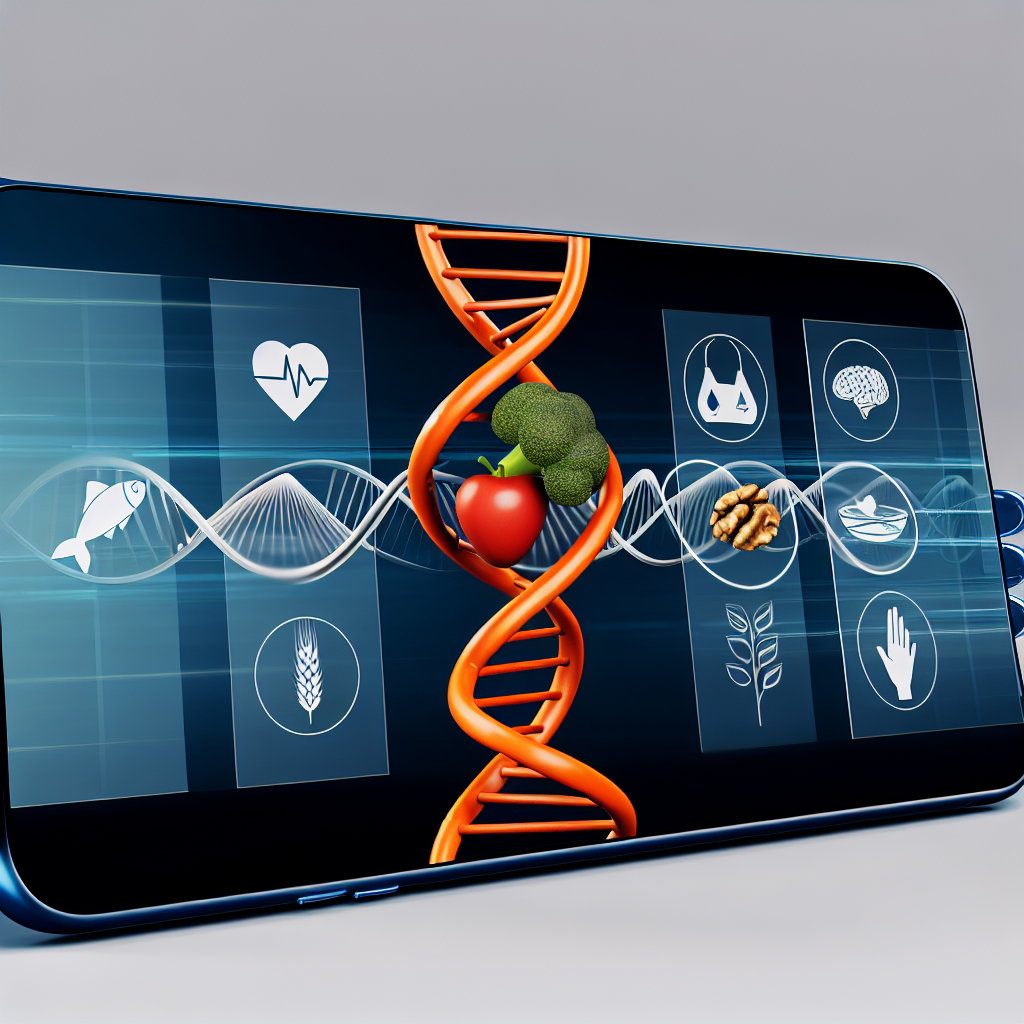
Genomic food matching involves analyzing a person’s **DNA** to identify genetic variants that may affect nutrient metabolism, food sensitivities, and propensity to develop certain chronic conditions. By understanding these genetic predispositions, individuals can adapt their diets to prevent or manage the onset or progression of chronic diseases more effectively.
Imagine a scenario where a genetic analysis reveals a predisposition to **high cholesterol**. Armed with this knowledge, individuals could select foods specifically beneficial for managing cholesterol levels, such as those rich in **omega-3 fatty acids**. Similarly, **genomic insights** could guide individuals with a genetic inclination towards **type 2 diabetes** to choose foods that optimize **insulin sensitivity**, possibly delaying or even preventing the disease.
The ultimate promise of genomic food matching is a highly personalized approach to nutrition, where the dietary choices you make are informed by the intricate details of your genetic blueprint. This approach not only provides a pathway for proactive health management but also empowers individuals with the knowledge to make informed decisions that could significantly impact their health and well-being.
Features
In recent years, numerous professional and medical studies have lent weight to the idea that personalized nutrition based on genetic information can play a significant role in chronic disease management. One such study, published in [The American Journal of Clinical Nutrition](https://academic.oup.com/ajcn/article/99/4/713/4577450), demonstrated how DNA-based dietary recommendations significantly improved the metabolic profile of participants compared to standard dietary advice.
Another key study conducted by the [PREDICT program](https://www.nature.com/articles/s41467-019-12743-4), the world’s largest research initiative to examine individual responses to food using genetic data, found that people metabolize nutrients differently. This highlights the potential for **personalized nutrition** to offer more effective dietary interventions. Their findings revealed how certain genetic variants significantly impact the digestion, absorption, and metabolism of micronutrients.
Additionally, research on nutrigenomics has explored different gene-diet interactions. For instance, the **FTO gene**, commonly associated with obesity, has been extensively researched. According to a study in [Cell Metabolism](https://www.cell.com/cell-metabolism/fulltext/S1550-4131(17)30113-4), individuals with certain variants of the FTO gene can manage their weight more effectively with high-protein diets, showcasing the potential for targeted dietary strategies.
Medical experts are also exploring how genomic matching can help manage cardiovascular diseases. The distinct ways our bodies respond to dietary fats, sodium, and alcohol are influenced by our genetics. Incorporating genomic insights into dietary plans could, therefore, offer significant improvements in managing heart disease and associated risk factors, as evidenced in a study published in the [Journal of the American College of Cardiology](https://www.jacc.org/doi/full/10.1016/j.jacc.2020.05.070).
These studies underscore the potential of using genetic information to create highly personalized nutritional models catered to an individual’s specific health needs. By eliminating the guesswork, genomic food matching holds the promise of improved health outcomes and a greater quality of life.
Conclusion
As science continues to unravel the complexities of our genetic codes, the implications for personalized nutrition in managing chronic diseases are profound. Genomic food matching serves as a beacon of hope for those grappling with conditions that have long eluded straightforward dietary management. By integrating individual genetic profiles with tailored nutritional advice, we are stepping into an era of healthcare that is **predictive, preventive, and personalized**.
The transformative power of genomic food matching lies in its ability to shift the paradigm from reactive to proactive health management. Chronic diseases, often seen as inevitable with aging, may soon be better controlled or even prevented with personalized nutrition plans that align with one’s genetic blueprint. As this field evolves, it stands to transform not only individual health outcomes but also the approach to public health at large, making wellness through personalized genetics a cornerstone of future healthcare.
Concise Summary
Genomic food matching utilizes DNA analysis to personalize nutrition, aiming to improve chronic disease management. This nutrigenomic approach targets individual genetic predispositions towards conditions like diabetes and cardiovascular diseases. Studies have shown personalized nutrition can enhance metabolic profiles and manage genetic inclinations, such as those affected by the FTO gene for obesity. By leveraging DNA insights, this method promises proactive health management, offering tailored diets that align with one’s genetic blueprint to enhance health outcomes and prevent disease progression, heralding a new era of predictive, preventive, and personalized healthcare.

Dominic E. is a passionate filmmaker navigating the exciting intersection of art and science. By day, he delves into the complexities of the human body as a full-time medical writer, meticulously translating intricate medical concepts into accessible and engaging narratives. By night, he explores the boundless realm of cinematic storytelling, crafting narratives that evoke emotion and challenge perspectives.
Film Student and Full-time Medical Writer for ContentVendor.com