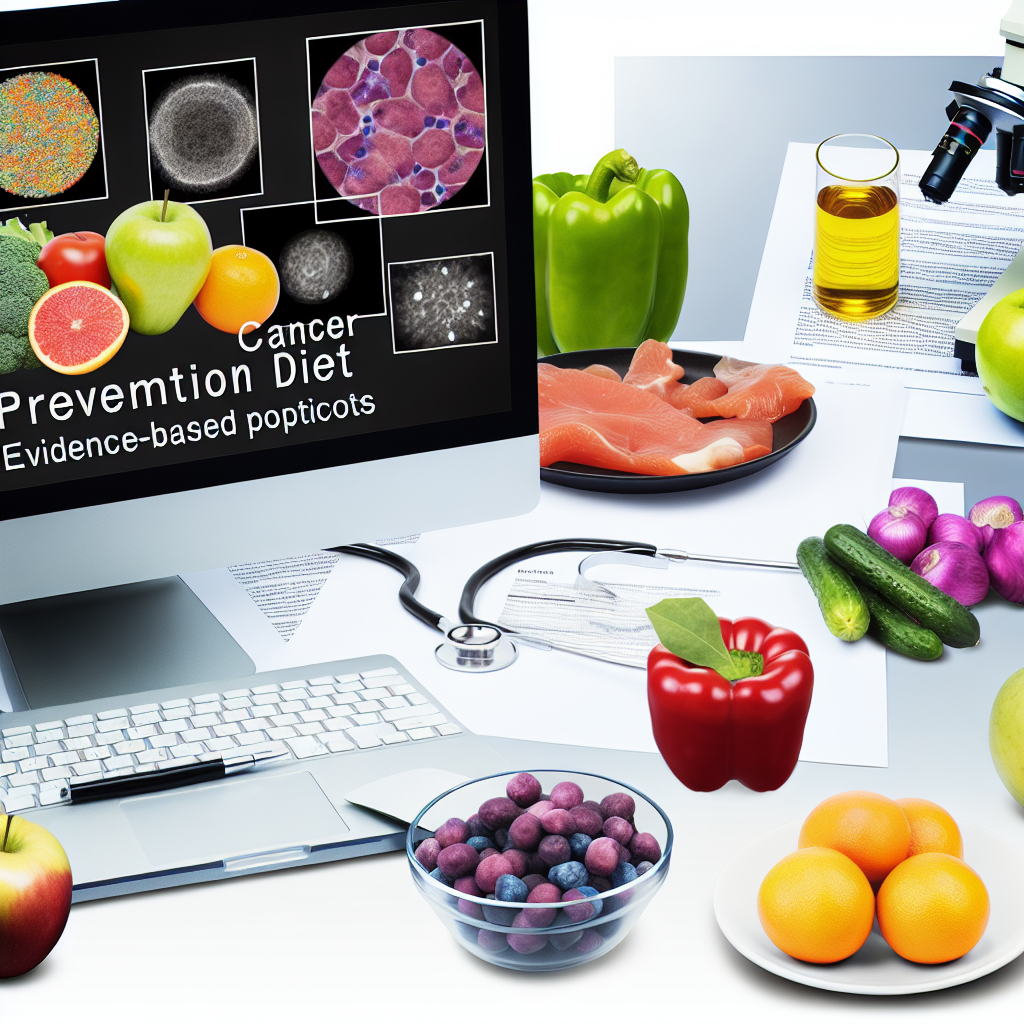
Cancer Prevention Diet – Evidence-Based Protocols
Introduction
As the global incidence of cancer continues to rise, preventive health strategies have become more crucial than ever. While genetics play a role in the development of cancer, scientific evidence consistently highlights the powerful influence of diet and lifestyle choices on reducing cancer risk. Researchers estimate that nearly 30% to 50% of all cancer cases could be prevented through proper nutrition and healthy living habits.
A Cancer Prevention Diet (CPD) focuses on integrating nutrient-dense, anti-inflammatory foods that enhance immune system function, reduce oxidative stress, and promote cellular repair. Natural compounds in foods such as cruciferous vegetables, berries, green tea, and turmeric have been rigorously studied for their chemopreventive properties. These whole, unprocessed foods offer a synergistic effect far surpassing that of individual synthetic supplements.
Equally important is understanding which foods to avoid. Diets high in refined sugars, processed meats, trans fats, and alcohol have been linked to increased risk of cancers such as colorectal, breast, and pancreatic cancer. Furthermore, new research emphasizes the role of the gut microbiome in cancer prevention, with a plant-based diet supporting gut diversity that strengthens detoxification and immunity.
While no diet can grant total immunity from cancer, a structured, evidence-driven cancer prevention diet can significantly reduce risk and increase longevity. This natural and holistic approach mirrors the principles of homeopathy and herbal wellness, focusing on prevention, balance, and healing through nature’s resources.
Features: Evidence-Based Diet Protocols for Cancer Prevention
1. Plant-Based Nutrition and Cancer Risk Reduction
Numerous studies underline the benefits of a predominantly plant-based diet in reducing cancer risk. A 2019 study published in JAMA Internal Medicine found that people adhering to vegetarian or largely plant-based diets experienced significantly lower cancer incidences. This protective benefit stems from increased intake of fiber, vitamins, minerals, and phytonutrients, alongside reduced exposure to harmful compounds in processed animal products.
High-fiber foods help regulate hormones such as estrogen, lowering the likelihood of hormone-sensitive cancers, including breast and prostate. These foods also optimize gut health and support the removal of carcinogens through regular bowel movements.
2. Cruciferous Vegetables and Sulforaphane
Cruciferous vegetables like broccoli, Brussels sprouts, and cauliflower contain glucosinolates, which convert into powerful natural chemicals such as sulforaphane. This compound promotes detoxification enzymes, inhibits inflammation, and helps prevent DNA damage.
According to a 2011 study in Cancer Prevention Research, regular consumption of fresh broccoli sprouts significantly reduced expression of genes linked to cancer development, offering a promising dietary tool for high-risk individuals.
3. The Anti-Cancer Properties of Turmeric (Curcumin)
Curcumin, the main active ingredient in turmeric, displays broad anti-cancer activity. It modulates genetic expression, suppresses angiogenesis (blood supply to tumors), and induces cancer cell death without harming healthy tissues. A 2016 review in Nutrients highlights curcumin’s strong potential in preventing a wide range of cancers, particularly when paired with piperine (from black pepper), which boosts absorption.
Curcumin also influences immune function and may reduce the side effects of chemotherapy, making it a valuable complement in integrative oncology.
4. Green Tea and Catechins
Green tea contains catechins, particularly epigallocatechin gallate (EGCG), which has potent antioxidant and cancer-fighting capabilities. EGCG blocks the growth of new cancer cells and hampers tumor blood vessel formation.
A 2020 meta-analysis in the International Journal of Cancer concluded that drinking at least three cups of green tea daily was linked to significantly reduced risks of lung, skin, breast, and gastrointestinal cancers.
5. Omega-3 Fatty Acids: Inflammation and Immunity
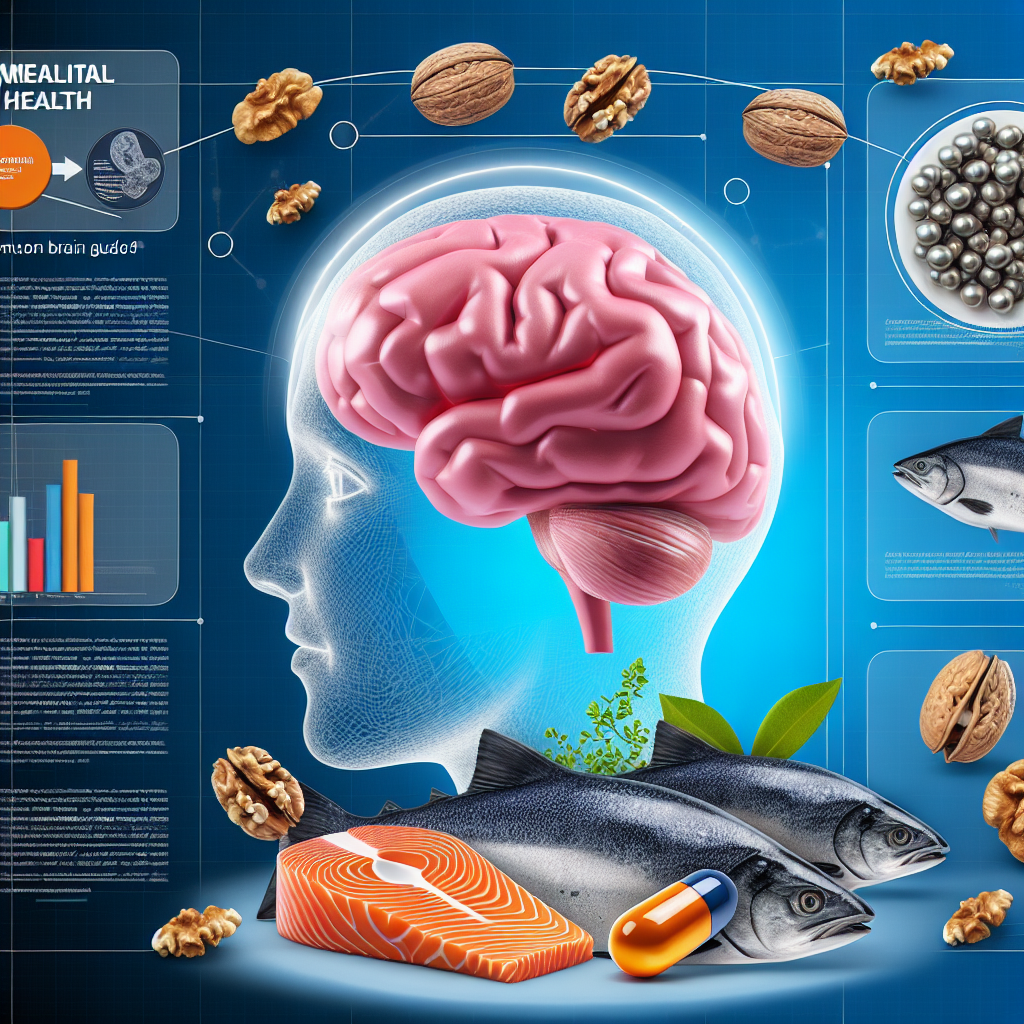
Chronic inflammation is a key driver of cancer progression. Omega-3 fatty acids, abundant in flaxseeds, chia seeds, walnuts, and fatty fish like salmon, reduce inflammatory pathways in the body.
According to the American Journal of Clinical Nutrition, higher omega-3 consumption correlates with decreased risk of cancers including colorectal and breast cancer. These healthy fats also help maintain a responsive immune system, essential for early detection and elimination of cancerous cells.
6. Limiting Processed Meats and Sugar
Processed meats (bacon, sausages, and deli cuts) contain nitrates and nitrites that convert into nitrosamines, carcinogenic compounds. In a World Health Organization review (2015), these meats were officially classified as carcinogenic to humans (Group 1), associating frequent intake with higher colorectal cancer risk.
Likewise, excessive consumption of refined sugar and simple carbohydrates raises insulin and IGF-1 levels in the body — hormones that can promote tumor growth.
Limiting these foods keeps inflammation and hormonal imbalances in check, cultivating a body terrain less hospitable to cancer.
Conclusion
Adopting a Cancer Prevention Diet — rich in plant-based, whole foods, and low in inflammatory ingredients — is a powerful, proactive approach to reducing cancer risk. Enhancing intake of foods high in antioxidants, fiber, phytonutrients, and healthy fats supports immune balance, gut health, and detoxification.
This strategy complements natural health philosophies that value prevention and self-care — encouraging individuals to take control of their well-being with food as a foundational pillar. Small, daily choices — such as adding broccoli to meals, sipping green tea, and skipping processed meats — can generate profound long-term benefits for vitality and disease resistance.
Concise Summary
A Cancer Prevention Diet harnesses the power of whole, anti-inflammatory foods to lower cancer risk. Emphasizing plants, cruciferous vegetables, turmeric, green tea, and omega-3 fats, while reducing processed meats and sugars, this approach boosts immunity, balances hormones, and supports detoxification. Grounded in scientific evidence, it aligns with natural wellness practices, offering individuals a holistic path to long-term health. Through simple dietary changes, such as increasing fiber intake and reducing carcinogenic foods, the body becomes more resilient to cancer development — reaffirming that food is one of our most potent forms of preventive medicine.
References
1. World Health Organization – Carcinogenicity of Processed Meat
2. JAMA Internal Medicine – Plant-Based Diets and Cancer Risk
3. Cancer Prevention Research – Sulforaphane Clinical Trial
4. Nutrients – Curcumin in Cancer Prevention
5. International Journal of Cancer – Green Tea Meta-Analysis
6. American Journal of Clinical Nutrition – Omega-3s and Cancer

Dominic E. is a passionate filmmaker navigating the exciting intersection of art and science. By day, he delves into the complexities of the human body as a full-time medical writer, meticulously translating intricate medical concepts into accessible and engaging narratives. By night, he explores the boundless realm of cinematic storytelling, crafting narratives that evoke emotion and challenge perspectives.
Film Student and Full-time Medical Writer for ContentVendor.com