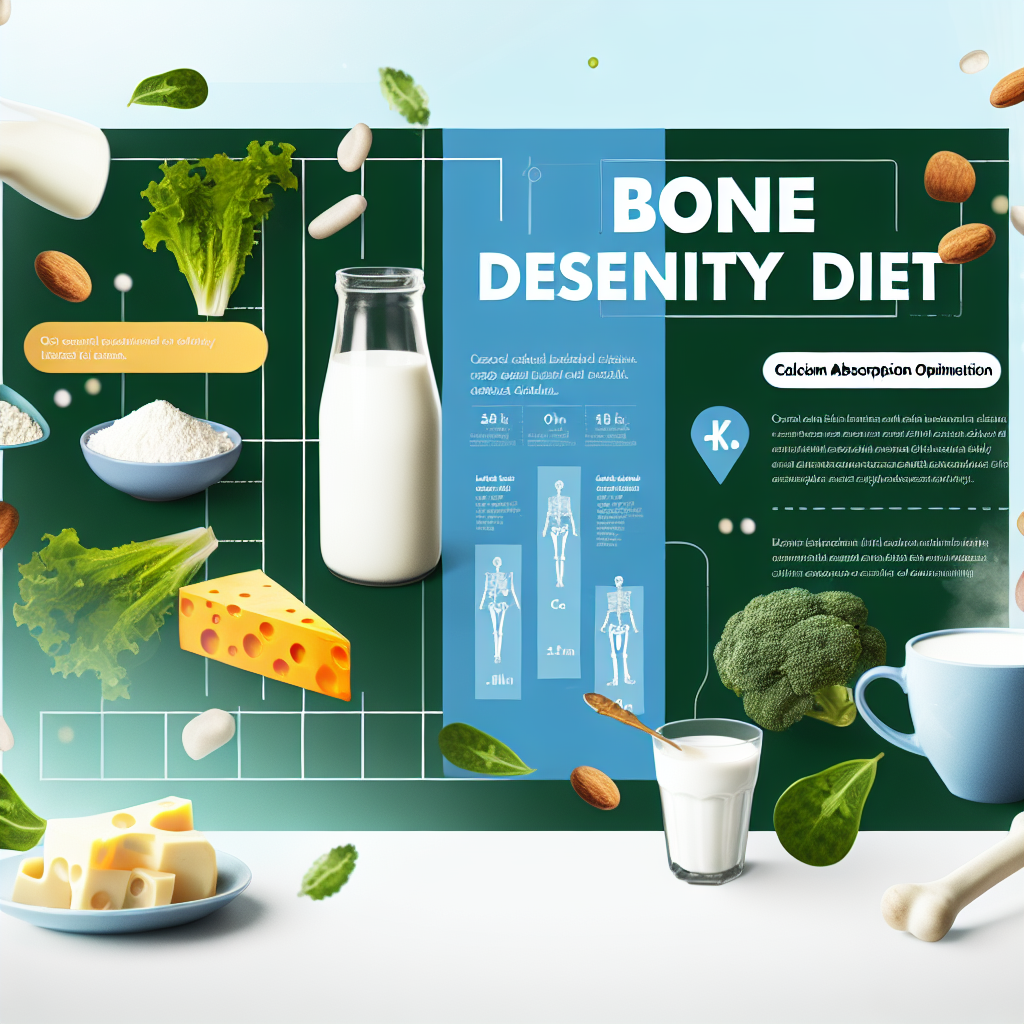
Bone Density Diet – Calcium Absorption Optimization
Introduction
Maintaining strong and healthy bones is a vital aspect of overall wellness, especially as we age. Bones are living tissue that continuously break down and rebuild through a process called bone remodeling. However, as we reach our 30s and beyond, the rate of natural bone loss may exceed the rate of bone formation, leading to reduced bone density and increased risk of conditions like osteoporosis and fractures.
Although calcium is essential for bone health, effective absorption requires the presence of several other nutrients, including magnesium, vitamin D, vitamin K2, and phosphorus. Without adequate levels of these, calcium may not be correctly absorbed or utilized by the body—and in some cases, it can even be misdirected to soft tissues, increasing health risks.
Poor diet choices and lifestyle behaviors such as a sedentary life, excessive salt, caffeine, or alcohol intake can interfere with calcium absorption. Additionally, chronic inflammation and nutrient imbalances exacerbate bone degradation.
Integrating homeopathic, natural, and herbal therapies into a bone density diet offers a gentle and effective approach with fewer side effects than synthetic supplements. These therapies encourage holistic body balance, support nutrient assimilation, enhance digestive well-being, regulate hormones, and stimulate cellular regeneration.
This article will explore how to improve calcium absorption naturally by outlining key dietary strategies, essential supporting micronutrients, and scientific research validating natural and herbal supplementation. Whether you’re looking to prevent osteoporosis, recover from bone-related injuries, or strengthen your skeletal system for long-term health, these strategies can help.
Scientific and Clinical Features
Multiple clinical studies have focused on enhancing calcium uptake and preserving bone mineral density (BMD).
One pivotal study from the Journal of Clinical Endocrinology & Metabolism highlighted that vitamin D significantly increases calcium absorption by stimulating calcium-binding proteins in the intestines. The study revealed that individuals with sufficient vitamin D had higher BMD, especially postmenopausal women and seniors.
Equally vital is vitamin K2, particularly in its menaquinone-7 (MK-7) form. This vitamin ensures that calcium binds to bones and teeth rather than accumulating in arterial walls and soft tissues. Research in Osteoporosis International found that vitamin K2 supplementation led to fewer vertebral fractures and improved BMD in postmenopausal women.
Magnesium is essential for bone health. Reviewed in the journal Nutrients, magnesium aids in structural bone development and acts as a cofactor in calcium transport. Magnesium deficiency is repeatedly associated with weakened bone integrity, along with increased risk of osteoporosis.
More natural options include homeopathic remedies such as Symphytum officinale or comfrey. Comfrey is traditionally known for its regenerative effects on bone tissue. Animal studies reported by PubMed indicate accelerated bone healing following comfrey application.
Traditional herbs like horsetail (Equisetum arvense) are another valuable tool. They offer high silica content, which supports collagen formation and enhances calcium usage in the body. Silica provides elasticity and structure in bones and was highlighted in a ScienceDirect study for its role in preserving bone integrity.
Additional integrative approaches supported by evidence include:
– Eating a balanced, plant-rich diet with seeds, nuts, leafy greens, and fermented foods.
– Reducing substances that deplete calcium like soda, processed meats, and refined sugar.
– Regular weight-bearing exercise to stimulate bone-building osteoblasts.
With the combination of these nutrients and natural treatments, individuals can adopt a diet that supports healthy bone function without total reliance on pharmaceuticals.
Conclusion
Optimizing calcium absorption is a holistic strategy essential to bone density maintenance and the prevention of degenerative conditions such as osteoporosis. A well-rounded bone density diet includes not just calcium, but a synergy of micronutrients like vitamins D and K2, magnesium, silica, and other trace elements.
Incorporating a variety of whole foods—such as leafy greens, nuts, seeds, fermented veggies, and medicinal herbs—combined with a physically active lifestyle and limited intake of nutrient blockers, can dramatically improve calcium bioavailability.
In addition, the therapeutic use of homeopathic and herbal remedies provides supportive options that address the cause of bone fragility rather than just symptoms. Let nutrition serve as your personalized foundation for healing and lifelong skeletal strength.
Concise Summary
A successful bone density diet goes beyond calcium intake and focuses on enhancing calcium absorption through synergistic nutrients like vitamin D, vitamin K2, magnesium, and silica. Research shows these elements significantly improve bone mineral density and reduce fracture risk. Coupled with lifestyle choices such as regular exercise, minimizing calcium-blocking foods, and incorporating natural remedies like comfrey and horsetail, this approach empowers individuals to build stronger bones naturally. A holistic, food-based strategy—supported by herbs and homeopathic options—offers an effective, side-effect-free framework for maintaining optimal bone health across all life stages.
References
– Journal of Clinical Endocrinology & Metabolism: Vitamin D Enhances Calcium Absorption
– Osteoporosis International: Vitamin K2 and Bone Density
– Nutrients Journal: Role of Magnesium in Bone Health
– PubMed: Comfrey and Bone Healing
– ScienceDirect: Horsetail and Silica’s Role in Bone Elasticity

Dominic E. is a passionate filmmaker navigating the exciting intersection of art and science. By day, he delves into the complexities of the human body as a full-time medical writer, meticulously translating intricate medical concepts into accessible and engaging narratives. By night, he explores the boundless realm of cinematic storytelling, crafting narratives that evoke emotion and challenge perspectives.
Film Student and Full-time Medical Writer for ContentVendor.com