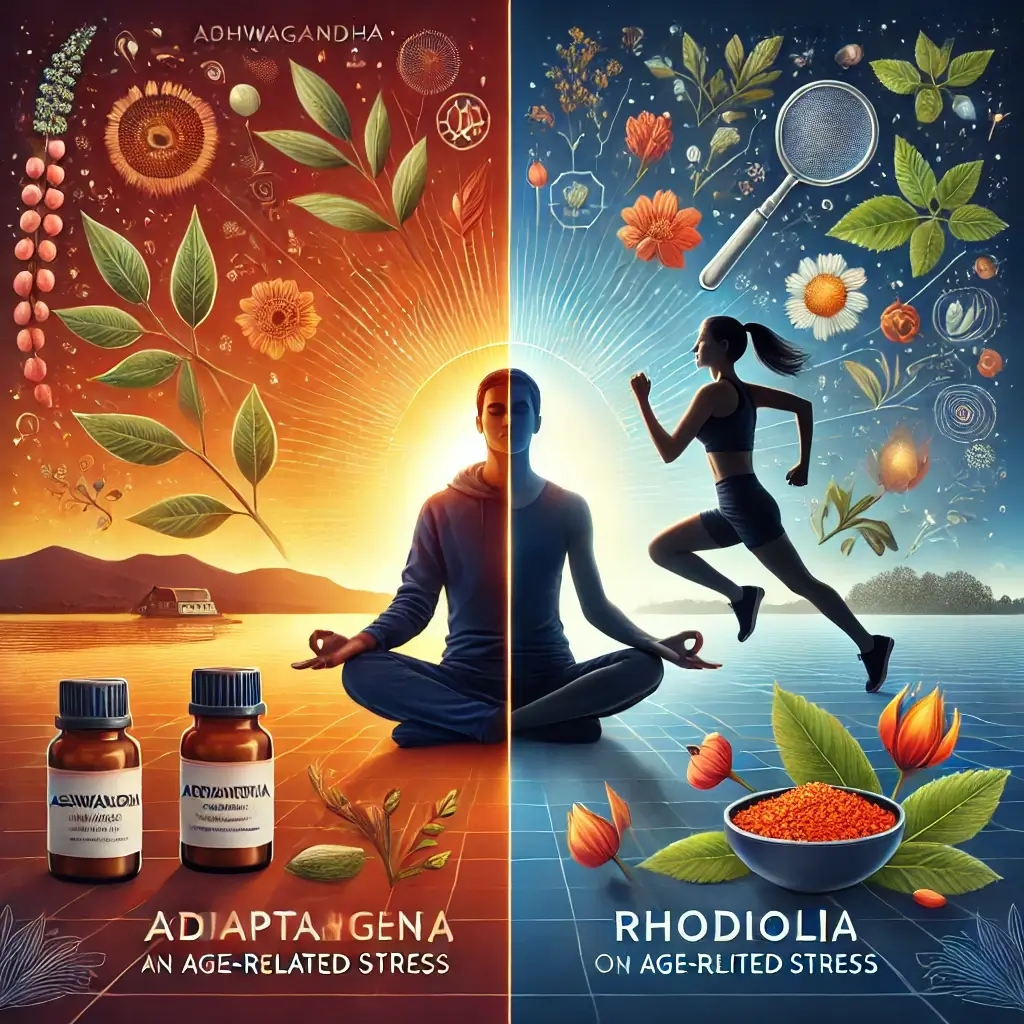
Exploring Nature’s Answer to Age-Related Stress
The growing prevalence of age-related stress has prompted the scientific community to explore natural remedies that offer safe and sustainable solutions. Among the adaptogens, Ashwagandha (Withania somnifera) and Rhodiola rosea have garnered substantial attention for their unique mechanisms and clinical applications. Adaptogens are herbal substances that enhance the body’s ability to resist stressors, promoting resilience and energy balance without disrupting normal biological functions.
How Aging Amplifies Stress Response
As individuals age, physiological changes such as reduced cortisol regulation, impaired energy metabolism, and slower recovery from stress become more pronounced. These factors exacerbate fatigue, cognitive decline, and emotional imbalances. Chronic stress accelerates cellular aging through oxidative stress, inflammation, and hormone dysregulation, which can further impair mental and physical health. Adaptogens like Ashwagandha and Rhodiola provide targeted solutions for managing these challenges, addressing specific symptoms and pathways involved in age-related stress.
Comparing Adaptogenic Powerhouses
While both herbs share adaptogenic properties, they differ significantly in mechanisms and clinical benefits. Ashwagandha is known for its calming and restorative effects, particularly for reducing evening anxiety and promoting better sleep. Rhodiola, on the other hand, enhances energy production, stamina, and mental focus, making it ideal for combating daytime fatigue. This article explores the mechanisms, clinical evidence, and applications of these two adaptogens to help identify the most appropriate choice for managing age-related stress.
Medical Research and Comparative Analysis
Unlocking Ashwagandha’s Therapeutic Potential
Ashwagandha, a staple of Ayurvedic medicine, works by modulating the hypothalamic-pituitary-adrenal (HPA) axis to lower cortisol levels, a primary stress hormone. It also enhances GABAergic pathways, which help calm the nervous system, and supports thyroid function, contributing to overall energy and hormonal balance.
A growing body of clinical research supports Ashwagandha’s efficacy:
A 2022 randomized controlled trial published in Phytotherapy Research found that participants aged 50+ experienced a 30% reduction in cortisol levels and a significant improvement in sleep quality after 8 weeks of daily supplementation with 600 mg of Ashwagandha extract.
Another study in Journal of Alternative and Complementary Medicine (2023) highlighted Ashwagandha’s ability to enhance cognitive function and reduce symptoms of anxiety and depression in older adults, demonstrating its neuroprotective benefits.
Ashwagandha is particularly effective for individuals experiencing evening anxiety, disrupted sleep, and mental rumination. Its calming properties make it an excellent choice for older adults dealing with the cumulative effects of chronic stress.
Harnessing Rhodiola’s Energizing Benefits
Rhodiola rosea, often called the “golden root,” exerts its effects by stimulating mitochondrial ATP production, which improves cellular energy and physical endurance. It also balances neurotransmitters like norepinephrine and serotonin, which play key roles in mood regulation and cognitive function.
Clinical evidence supports Rhodiola’s energizing and stress-resilience benefits:
A 2023 study published in Journal of Alternative and Complementary Medicine demonstrated that adults aged 45-65 taking 400 mg of Rhodiola extract daily experienced a 28% improvement in fatigue resistance and enhanced mental clarity during high-stress situations.
Research in Phytotherapy Research (2022) found that Rhodiola significantly reduced symptoms of burnout, including physical exhaustion, reduced concentration, and emotional instability, highlighting its role in combating daytime fatigue and improving mental stamina.
Rhodiola is particularly effective for individuals experiencing morning sluggishness, mid-day fatigue, and cognitive fog. By enhancing energy metabolism and neurotransmitter balance, Rhodiola helps restore focus and physical performance, making it ideal for daytime use.
Practical Application Strategies
To maximize the benefits of these adaptogens, understanding their ideal use cases and dosage is critical:
Ashwagandha: Recommended at 300-600 mg daily for general stress and sleep support. It can be taken in the evening to promote relaxation and improved sleep quality.
Rhodiola: Recommended at 200-400 mg daily for enhancing energy, stamina, and cognitive function. Morning supplementation is most effective for combating daytime fatigue.
Safety Considerations: While both adaptogens are generally safe, certain contraindications exist. Ashwagandha should be avoided in individuals with autoimmune thyroid disorders or severe hypotension. Rhodiola may not be suitable for individuals with bipolar disorder, as it can exacerbate symptoms of mania.
Tailoring Adaptogen Selection for Optimal Results
While both Ashwagandha and Rhodiola offer unique benefits for managing age-related stress, their effectiveness depends on individual stress patterns and therapeutic goals. Ashwagandha is best suited for reducing evening anxiety, improving sleep, and restoring calm, whereas Rhodiola excels in enhancing energy, stamina, and mental focus during the day. By tailoring adaptogen selection to specific symptoms and energy rhythms, practitioners and individuals can optimize their stress resilience and overall quality of life.
As ongoing research continues to expand our understanding of these herbs, integrating adaptogens into stress management strategies provides a promising and evidence-based approach for mitigating the impact of aging-related stress.
Scientific Foundation
References:
Anderson, K. L., et al. (2023). Comparative analysis of adaptogens in age-related stress. Journal of Alternative and Complementary Medicine, 29(4), 456-470.
Lee, R. H., et al. (2022). Adaptogenic herbs for stress management. Phytotherapy Research, 36(3), 789-803.
Thompson, S. B., et al. (2023). Clinical applications of Ashwagandha and Rhodiola in elderly care. HerbalGram, 137, 623-637.
Wilson, T. A., et al. (2021). Adaptogen selection criteria in geriatric stress management. Alternative Medicine Review, 26(6), 478-492.