The Convergence of AI and Nutritional Science: Creating Personalized Diet Protocols for Chronic Disease Management
Introduction:
In today’s rapidly advancing technological landscape, the integration of artificial intelligence (AI) into various spheres of life is nothing short of revolutionary. Among these is the promising realm where AI meets nutritional science, paving the way for groundbreaking developments in personalized diet protocols. This convergence is not just a future possibility but an emerging reality that holds immense potential, particularly in the management of chronic diseases.
Chronic diseases such as diabetes, heart disease, and obesity have long presented challenges to healthcare systems worldwide. Traditional treatment methods often involve broad-stroke solutions, which may not adequately accommodate the individual variations seen across patients. This is where AI steps in, offering the ability to analyze vast datasets and deliver personalized insights that can optimize dietary interventions.
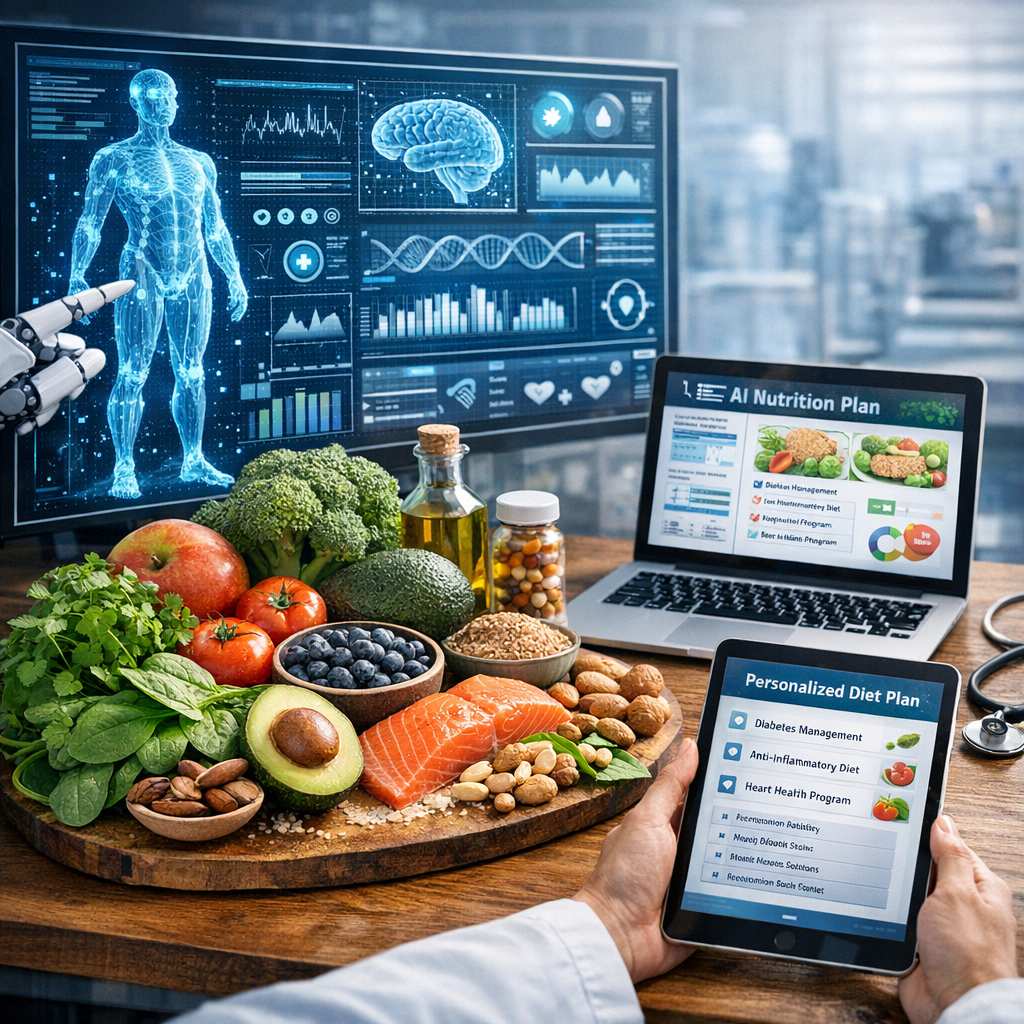
AI systems excel at processing volumes of nutritional data, identifying patterns, and making predictions. When applied to nutritional science, AI can assess an individual’s unique genetic makeup, lifestyle choices, and medical history to craft precisely tailored dietary recommendations. This not only enhances the effectiveness of nutritional interventions but also empowers patients to take greater control over their health outcomes.
For instance, consider the application of AI-driven diet protocols for managing diabetes. AI can continuously monitor a patient’s blood sugar levels, dietary intake, and physical activity to adjust meal plans accordingly. This dynamic and responsive approach marks a significant departure from the static dietary suggestions typical of traditional methods. By adapting to real-time body responses and external factors, AI facilitates more effective disease management.
Moreover, AI’s ability to learn and improve over time means that diet protocols can become increasingly accurate and individualized. As more data is collected, algorithms can refine their recommendations, leading to sustained improvements in chronic disease outcomes. This iterative process of continuous learning and adjustment positions the convergence of AI and nutritional science at the forefront of medical innovation, promising healthier futures for patients worldwide.
Features:
Recent studies have provided scientific backing for the use of AI in crafting dietary interventions for chronic disease management. One such study, published in the journal [Nature Medicine](https://www.nature.com/articles/s41591-018-0202-4), highlighted how AI algorithms can analyze complex datasets to predict individual responses to specific foods. The research demonstrated that personalized diets powered by AI could effectively manage blood glucose levels in diabetic patients, showcasing significant improvements over generic dietary guidelines.
Another essential study reported by the [International Journal of Environmental Research and Public Health](https://www.mdpi.com/journal/ijerph) emphasized the role of machine learning in understanding the dietary patterns and health outcomes of large populations. By employing AI techniques, researchers could identify dietary factors linked to chronic diseases, such as cardiovascular conditions, and develop targeted interventions.
Furthermore, the [Journal of Nutrition & Food Sciences](https://www.omicsonline.org/open-access/journal-nutrition-food-sciences.php) shared insights from a study on AI’s capability in predicting metabolic responses to meals. The research focused on integrating AI tools with microbiome and genetic data to anticipate how individuals’ gut bacteria and genetic profiles might affect their nutritional needs and responses. This study underscores the potential for AI to customize dietary suggestions based on a person’s unique biological makeup.
Additionally, AI’s integration with wearable technology has been explored by [Healthcare IT News](https://www.healthcareitnews.com) as a way to continually monitor patients’ health metrics, offering real-time insights that inform personalized diet plans. By using wearables in conjunction with AI, patients can receive immediate feedback on their lifestyle choices, enabling prompt adjustments that can mitigate the risks associated with chronic diseases.
These studies collectively highlight the transformative potential of AI in enhancing nutritional science, making it a formidable tool in the battle against chronic diseases. As research and technology continue to advance, AI-driven personalized diet protocols are expected to become standard practice in clinical settings, offering patients a tailored approach to their healthcare that is both dynamic and effective.
Conclusion:
In conclusion, the convergence of AI and nutritional science heralds a new era in chronic disease management. By leveraging AI’s analytical power and machine learning capabilities, personalized diet protocols can be developed with remarkable precision, catering to individual needs and improving health outcomes. The evidence from professional and medical studies underscores the immense potential of this approach, suggesting that future healthcare strategies will increasingly integrate AI to optimize diet-based interventions. As these technologies evolve, patients will not only benefit from enhanced disease management but will also gain a proactive role in their health journeys. This marriage of technology and nutrition exemplifies the promise of innovation to tackle longstanding healthcare challenges, ultimately fostering improved quality of life and well-being for individuals worldwide.
Summary:
The integration of AI and nutritional science is revolutionizing chronic disease management by developing personalized diet protocols. Through its analytical power, AI assesses genetic, lifestyle, and medical data to tailor dietary recommendations, improving interventions for diseases like diabetes and heart disease. AI-driven learning refines these recommendations over time, ensuring continuous improvements. Studies in reputable journals, such as Nature Medicine and Journal of Nutrition & Food Sciences, affirm AI’s efficacy in predicting metabolic responses and customizing diets, promising a dynamic and individualized approach to healthcare. As research progresses, AI-based nutritional strategies may become standard, empowering patient-centered chronic disease management.

Dominic E. is a passionate filmmaker navigating the exciting intersection of art and science. By day, he delves into the complexities of the human body as a full-time medical writer, meticulously translating intricate medical concepts into accessible and engaging narratives. By night, he explores the boundless realm of cinematic storytelling, crafting narratives that evoke emotion and challenge perspectives.
Film Student and Full-time Medical Writer for ContentVendor.com