Using Nutritional Genomics to Personalize Food-Medicine Strategies for Chronic Disease Management
Introduction
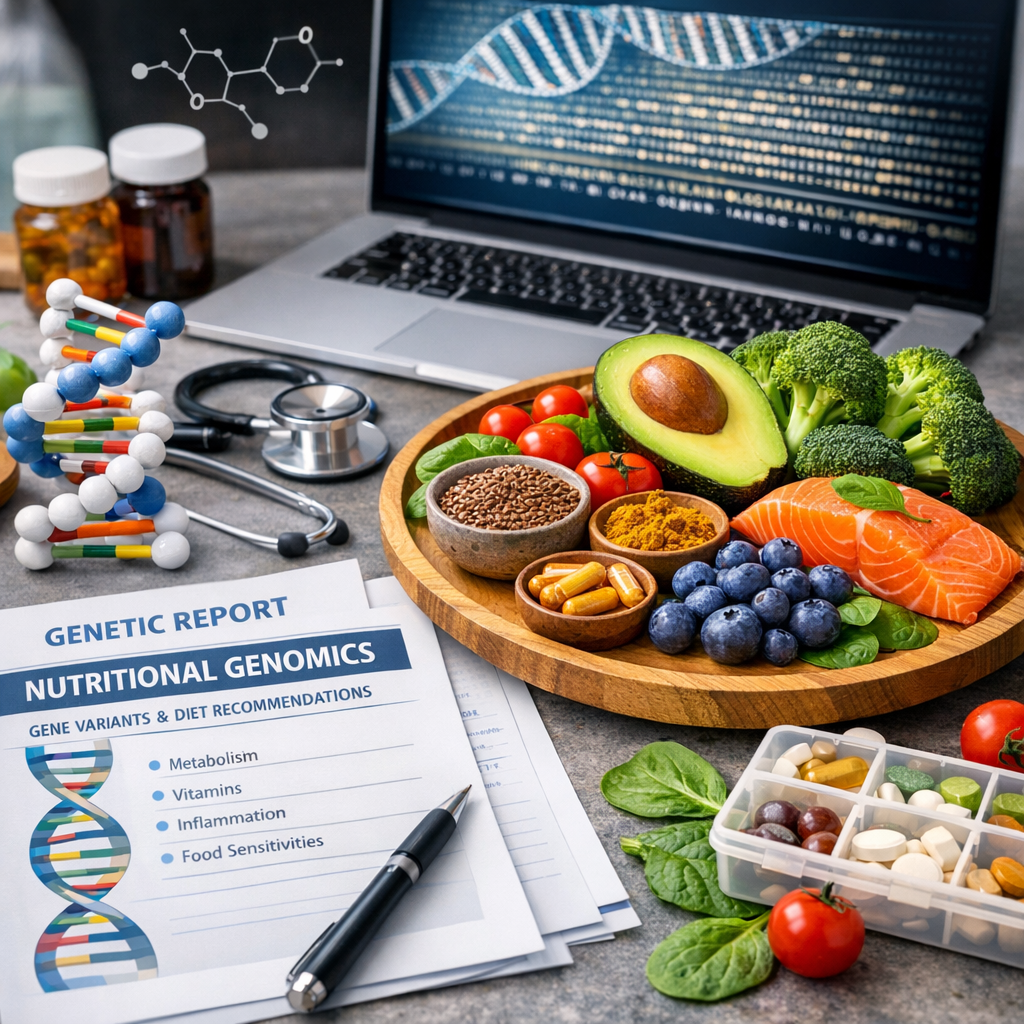
Nutritional genomics, also known as nutrigenomics, is a significant field that unites nutrition, genetics, and health. This discipline investigates the connection between genetic makeup and dietary nutrients, providing insights into how genetic variation affects individual responses to foods and nutrients. Chronic diseases such as diabetes, cardiovascular disease, and obesity pose major public health challenges. Traditionally, dietary recommendations were generic, but they often don’t account for individual variability in disease risk. Nutritional genomics offers the promise of unveiling these variations, enabling personalized dietary interventions.
Personalized food-medicine strategies are crucial for managing chronic diseases more effectively. By analyzing an individual’s genetic profile, healthcare professionals can develop nutrition plans tailored to one’s genomic characteristics. This precision medicine approach optimizes health outcomes, reduces disease impacts, and enhances quality of life.
Research highlights that specific genetic polymorphisms influence how individuals respond to nutrients. For instance, variations in the MTHFR gene affect folate metabolism, impacting cardiovascular disease risk. Similarly, polymorphisms in the FTO gene are linked with obesity risk. By identifying such genetic variants, personalized nutrition strategies can be designed to mitigate disease risk and manage existing conditions adeptly.
Implementing nutritional genomics demands interdisciplinary collaboration, involving geneticists, nutritionists, medical professionals, and technology experts. The goal is to integrate genetic data with holistic strategies, including dietary and lifestyle interventions, to create sustainable disease management solutions.
Features
Recent studies emphasize the benefits of nutritional genomics in managing chronic diseases. A study in the [Journal of Nutrigenetics and Nutrigenomics](https://www.karger.com/Journal/Home/264093) showed that those receiving genetic-based dietary advice improved more in glucose levels and insulin sensitivity compared to those following standard guidelines. This illustrates that tailored advice considering genetic variations can better manage conditions like diabetes.
The [Personalized Nutrition Project](https://www.nature.com/articles/s41591-018-0040-0) revealed that personalized dietary interventions stabilize blood glucose levels more effectively, underscoring nutritional genomics’ value in developing strategies for diabetes control.
In cardiovascular disease management, the [HeartGenes study](https://academic.oup.com/ajcn/article/101/6/1321/4564670) analyzed a genetically tailored Mediterranean diet’s effects on cardiovascular risk. Participants adhering to the gene-informed diet reduced LDL cholesterol by 11% more than those on a general diet.
The [Diet, Obesity, and Genes (DiOGenes) study](https://academic.oup.com/ajcn/article/95/6/1323/4564505) discovered that participants with particular gene variants linked to lipid metabolism managed weight better on mono-unsaturated fats-rich diets, revealing how genetic insights can guide diet interventions.
Beyond research, technology plays a critical role in the progression of nutritional genomics. Genetic testing kits and health apps provide actionable genetic profile insights, enabling consumers and healthcare providers to craft customized nutrition plans.
Conclusion
The integration of nutritional genomics in chronic disease management marks a new healthcare era, shifting from general to highly personalized nutrition strategies. Understanding the interaction between genes and nutrients empowers healthcare providers to craft tailored plans that optimize health and improve disease management.
However, fully embracing nutrigenomics is an ongoing journey, demanding further research, collaboration, and education. Combining genetic insights with traditional approaches can yield effective, sustainable chronic disease management solutions.
As the field advances, individuals can anticipate more personalized healthcare catering to their genetic makeup. Embracing this approach may empower individuals to take control of their health, complementing conventional treatments with strategies that align with their genetic predispositions, fostering a healthier life.
Concise Summary
Nutritional genomics, or nutrigenomics, links nutrition, genetics, and health, providing insights into how genetic variations affect individual responses to foods. Personalized food-medicine strategies for managing chronic diseases promise improved health outcomes by considering genetic profiles. Studies show tailored nutrition significantly affects conditions like diabetes and cardiovascular diseases. Implementation requires interdisciplinary collaboration among geneticists, nutritionists, and technology experts. Though challenges exist in integrating genetic data with dietary advice, as the field progresses, individuals can expect highly personalized healthcare solutions to better manage their genetic predispositions and improve their quality of life.

Dominic E. is a passionate filmmaker navigating the exciting intersection of art and science. By day, he delves into the complexities of the human body as a full-time medical writer, meticulously translating intricate medical concepts into accessible and engaging narratives. By night, he explores the boundless realm of cinematic storytelling, crafting narratives that evoke emotion and challenge perspectives.
Film Student and Full-time Medical Writer for ContentVendor.com