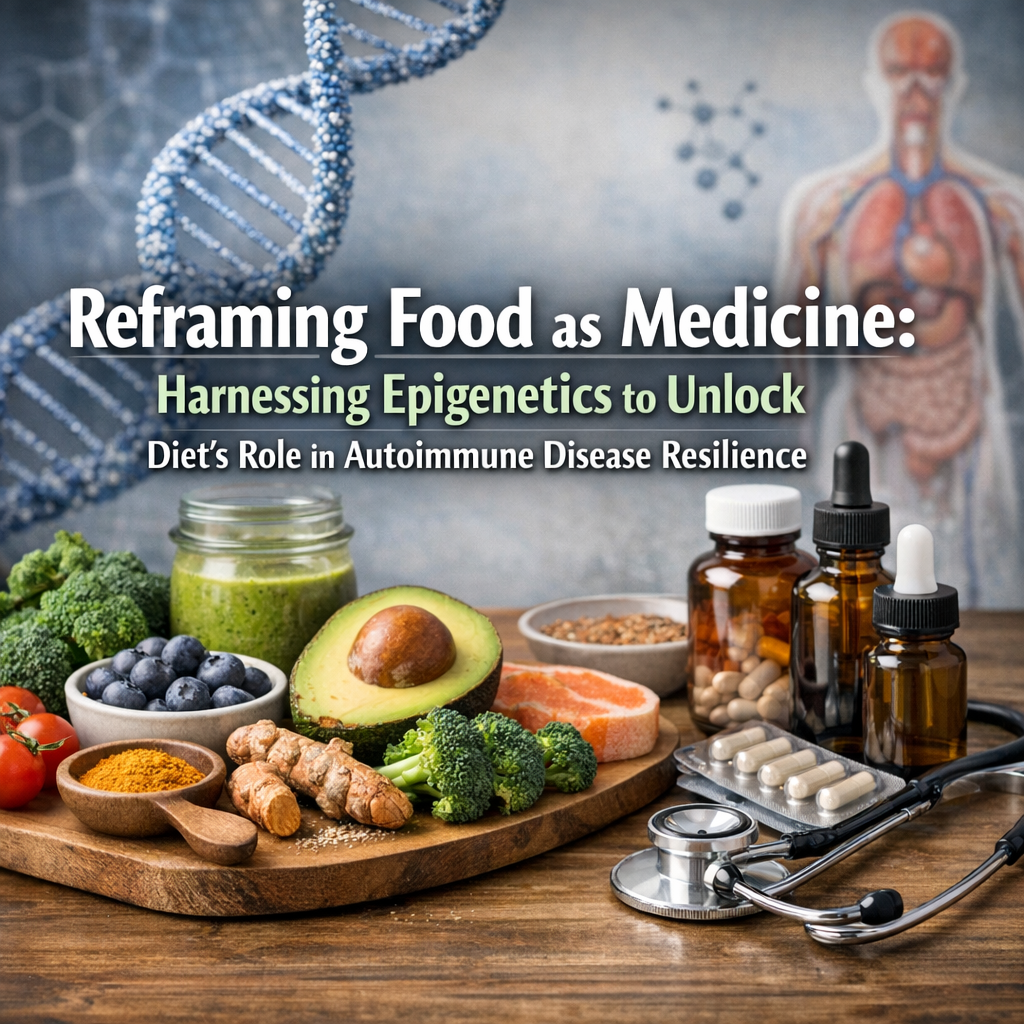
Reframing Food as Medicine: Harnessing Epigenetics to Unlock Diet’s Role in Autoimmune Disease Resilience
Introduction
In an era where autoimmune diseases afflict millions globally, exploring innovative strategies to combat these conditions has reached a significant milestone. Traditional medicine has made great strides in treatment; however, the side effects and limitations of pharmacological interventions have fueled the search for complementary, more holistic approaches. Among these, the concept of ”food as medicine” stands out, emphasizing the undeniable link between diet and health. By understanding how dietary choices impact genetic expression—a field known as epigenetics—patients may unlock new pathways to bolster their resilience against autoimmune diseases.
Autoimmune diseases occur when the immune system mistakenly attacks the body’s own cells. Common conditions include rheumatoid arthritis, lupus, and multiple sclerosis, each bringing its own set of challenges and symptoms. While genetics play a critical role, they do not act in isolation. Environmental factors, particularly diet, have gained immense attention due to their significant influence on gene expression and disease outcomes. Epigenetics, the study of changes in organisms caused by modification of gene expression rather than alteration of the genetic code itself, offers new insights into preventing or mitigating autoimmune disorders through lifestyle changes—primarily diet.
The intersection of nutrition and epigenetics provides an exciting framework for potential dietary interventions. Nutrients and bioactive compounds in foods can directly interact with the genome, influencing key processes such as inflammation, detoxification, and oxidative stress, all of which are involved in autoimmune pathophysiology. This burgeoning field has shifted perspectives, suggesting that a tailored diet may do more than just maintain general wellness—it might actively recalibrate the immune response for better health.
The potential of dietary intervention in autoimmune disease management isn’t just theoretical. Studies indicate promising therapeutic benefits from altering micronutrient intake, adopting anti-inflammatory foods, increasing bioavailable antioxidants, and modulating gut microbiota balance. Integrating these findings into everyday dietary habits could potentially transform the landscape of autoimmune disease management, reducing reliance on drugs and promoting holistic health solutions.
Features
Research in the field of epigenetics offers compelling evidence about the impact of diet on health. A study published in the journal Nature Reviews Immunology explores the role of bioactive food components on epigenetic markers and their potential in modulating the immune response. Components like sulforaphane, found in cruciferous vegetables, and epigallocatechin gallate (EGCG), present in green tea, have been shown to influence gene expression pathways involved in inflammation and immunity. For individuals with autoimmune diseases, these food-derived compounds might represent an opportunity to downregulate harmful immune responses.
A longitudinal study conducted on the Mediterranean diet, known for its high content of fresh fruits, vegetables, nuts, whole grains, and healthy fats, demonstrated improved outcomes in rheumatoid arthritis patients. The diet, rich in omega-3 fatty acids, fiber, and polyphenols, was associated with reduced markers of inflammation, better joint function, and overall quality of life improvements. These foods appear to exert a regulatory effect on the production of pro-inflammatory cytokines, proteins that are central to inflammatory processes, thereby potentially restoring immune balance.
Furthermore, research on the gut microbiome—often referred to as our “second brain”—has revealed intriguing links between digestive health and immune function. A diverse gut microbiome, bolstered by probiotic and prebiotic-rich foods like yogurt, kefir, and fermented vegetables, has been connected to the amelioration of autoimmune symptoms. Dietary fibers that stimulate the growth of beneficial bacteria can modulate immune system activity and decrease systemic inflammation.
These studies underscore a shift toward recognizing diet as a formidable tool in managing autoimmune diseases. Incorporating specific foods and nutrients that exert favorable epigenetic and immunomodulatory effects can lead to personalized nutrition strategies that cater to individual genetic backgrounds and health needs.
Conclusion
Embracing the philosophy of “food as medicine” through the lens of epigenetics and nutrition offers an enlightened approach to enhance resilience against autoimmune disorders. By focusing on dietary choices that modulate gene expression, individuals can potentially reduce disease severity, improve symptoms, and enhance their quality of life, all while minimizing reliance on pharmacological treatments.
This holistic view necessitates collaboration between healthcare providers, patients, and nutritionists to develop personalized eating plans based on epigenetic profiles and existing medical conditions. While more research is required to fully understand the myriad ways in which nutrients influence autoimmune disease, the current body of evidence provides a compelling argument for rethinking the role of diet in disease management. By integrating current scientific findings into everyday eating practices, the journey towards better autoimmune health might just start on our plates.
Concise Summary
The exploration of “food as medicine,” through the lens of epigenetics, highlights the powerful impact diet can have on autoimmune disease resilience. By understanding how dietary choices influence gene expression, patients can potentially downregulate harmful immune responses, reducing disease severity and improving quality of life. Studies on bioactive compounds like sulforaphane and epigallocatechin gallate (EGCG), as well as the Mediterranean diet, illustrate significant health benefits. This approach encourages collaboration between healthcare providers and patients to develop personalized diets that address individual genetic predispositions, possibly easing autoimmune symptoms and minimizing reliance on medication.

Dominic E. is a passionate filmmaker navigating the exciting intersection of art and science. By day, he delves into the complexities of the human body as a full-time medical writer, meticulously translating intricate medical concepts into accessible and engaging narratives. By night, he explores the boundless realm of cinematic storytelling, crafting narratives that evoke emotion and challenge perspectives.
Film Student and Full-time Medical Writer for ContentVendor.com