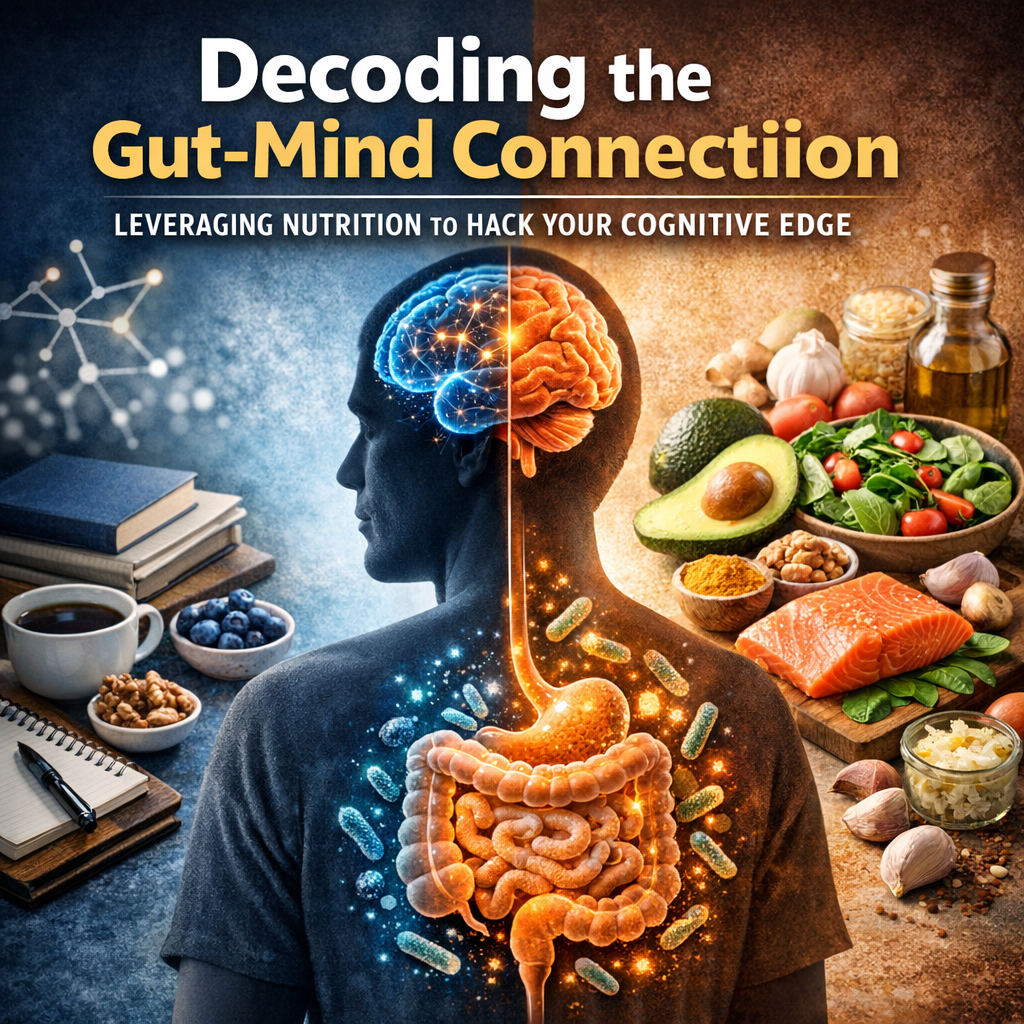
Decoding the Gut-Mind Connection: Leveraging Nutrition to Hack Your Cognitive Edge
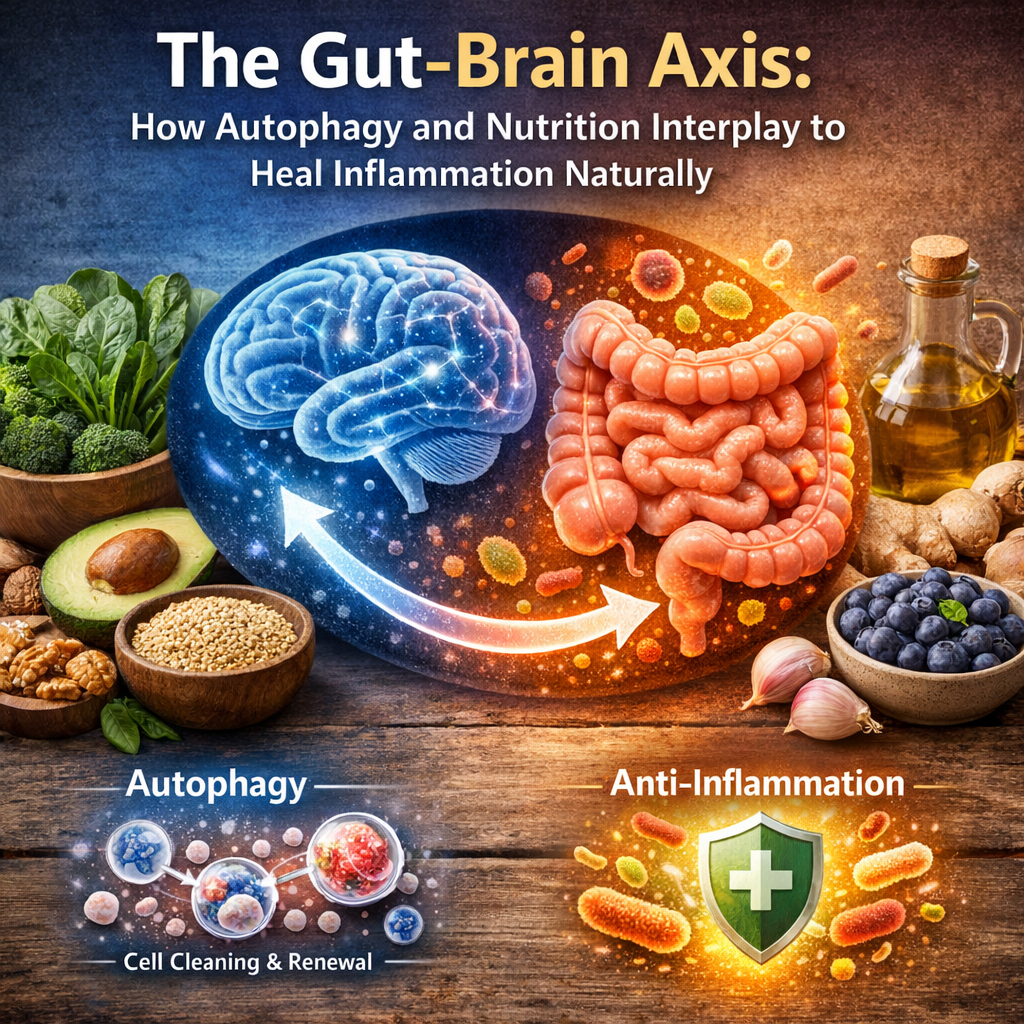
In recent years, the relationship between our gut and our brain has become a hot topic of discussion among health enthusiasts, nutritionists, and psychologists alike. Often referred to as the “gut-brain axis,” this complex biochemical signaling system illustrates how closely our mental health and cognitive functions are tied to the state of our digestive system. The idea that “you are what you eat” has never been more significant, especially when it comes to your mental acuity and wellbeing.
Imagine your gut as the body’s second brain. Comprising over 100 million neurons, the gut houses more than 95% of the body’s serotonin, aptly the “feel-good” neurotransmitter that plays significant roles in mood regulation and cognitive functionality. The health of our gut directly influences neurotransmitter function, hormonal balance, and even our immune system. This connection is bidirectional, meaning not only can the brain send signals to the gut, but the gut can send signals back to the brain. Therefore, an unhappy gut can lead to an unhappy mind and vice versa.
This burgeoning interest has spurred numerous studies exploring the gut microbiome—essentially, the community of trillions of bacteria and microbes living in our digestive tract—and its influence on our mental health and cognitive functions. Identifying how prebiotics, probiotics, and a balanced diet fuel cognitive function can empower individuals to harness nutrition in a proactive manner.
Incorporating the right nutrients doesn’t just aid digestion; it can augment mental clarity, focus, and even emotional stability. If boosting your mental game seems desirable, understanding and nurturing the gut-mind connection becomes indispensable. The goal is to cultivate a diverse and balanced microbiome, which acts as a fundamental building block to brain health and functionality, offering an innovative angle to hack your cognitive edge. By understanding the scientific foundations of this connection, you can implement practical dietary strategies aimed at boosting your mental health and performance, in turn streamlining a path to better living.
Features: Professional and Medical Studies
Scientific research around the gut-brain axis is rapidly evolving with studies providing compelling evidence about the intrinsic link between gut health and mental wellness. Research published in the journal *Psychosomatic Medicine* has extensively reviewed how probiotics, often dubbed “good bacteria,” can aid in reducing anxiety, depression, and other mood disorders in various populations. The study suggests that specific strains of probiotics have shown to influence neurotransmitter pathways, potentially leading to improved emotional outlooks and cognitive functions [source](https://www.psychosomaticmedicine.org).
Another landmark study published in *Nature Reviews Gastroenterology & Hepatology* highlights how the gut microbiota interacts with the central nervous system, potentially affecting conditions like autism spectrum disorders (ASD) and multiple sclerosis (MS). The research emphasizes nutritional therapies, such as dietary adjustments and probiotic supplements, as adjunctive measures for neurological and psychological treatments [source](https://www.nature.com/articles/nrgastro.2015.200).
Further highlighting the impact of diet on brain health, a study in the *American Journal of Clinical Nutrition* underscored the benefit of a Mediterranean diet rich in fruits, vegetables, nuts, and healthy fats, which not only supports gut health but also enhances memory and cognitive performance in aging populations [source](https://academic.oup.com/ajcn/article/90/1/179/4598274).
Conclusively, understanding these studies reinforce how adopting a balanced and microbiome-friendly diet can lead to an elevated state of cognitive function and psychological health. The emerging narrative suggests that what we consume doesn’t just fuel our bodies; it sculpturally molds cognitive architecture and emotional states, underscoring nutrition as an integral tool for cognitive enhancement.
Conclusion
Acknowledging the interconnected nature of the gut-brain axis empowers us to reimagine our approach to diet and mental health. By incorporating nutrient-rich foods, supplements, and a lifestyle promoting gut flora diversity, we can naturally bolster our cognitive balance and emotional resilience. Whether through plant-based diets, fermented foods like kimchi and yogurt, or specific supplements under professional guidance, leveraging nutritional strategies could represent a paradigm shift in how we perceive and manage mental health in the 21st century.
The journey to optimizing brain health starts with feeding our guts well. As ongoing research continues to shed light on this axis, there lies vast potential for individuals to tailor their nutritional intake for improved cognitive function and psychological health. Adopting these dietary modifications could well position you to not just survive, but thrive both mentally and emotionally in our complex modern world.
References
1. [Psychosomatic Medicine](https://www.psychosomaticmedicine.org)
2. [Nature Reviews Gastroenterology & Hepatology](https://www.nature.com/articles/nrgastro.2015.200)
3. [American Journal of Clinical Nutrition](https://academic.oup.com/ajcn/article/90/1/179/4598274)
Concise Summary
The gut-brain axis is a significant area of research, emphasizing how gut health influences mental wellbeing. The gut houses 95% of serotonin, crucial for mood and cognition. Studies show that microbiome diversity, supported by prebiotics, probiotics, and a Mediterranean diet, can enhance mental clarity and performance. The connection is bidirectional; as gut health impacts mental health, maintaining a balanced gut can elevate cognitive function and emotional resilience. Probiotics have been linked to decreased anxiety and depression. The narrative suggests a paradigm shift, underscoring nutrition’s role in naturally bolstering mental health.

Dominic E. is a passionate filmmaker navigating the exciting intersection of art and science. By day, he delves into the complexities of the human body as a full-time medical writer, meticulously translating intricate medical concepts into accessible and engaging narratives. By night, he explores the boundless realm of cinematic storytelling, crafting narratives that evoke emotion and challenge perspectives.
Film Student and Full-time Medical Writer for ContentVendor.com