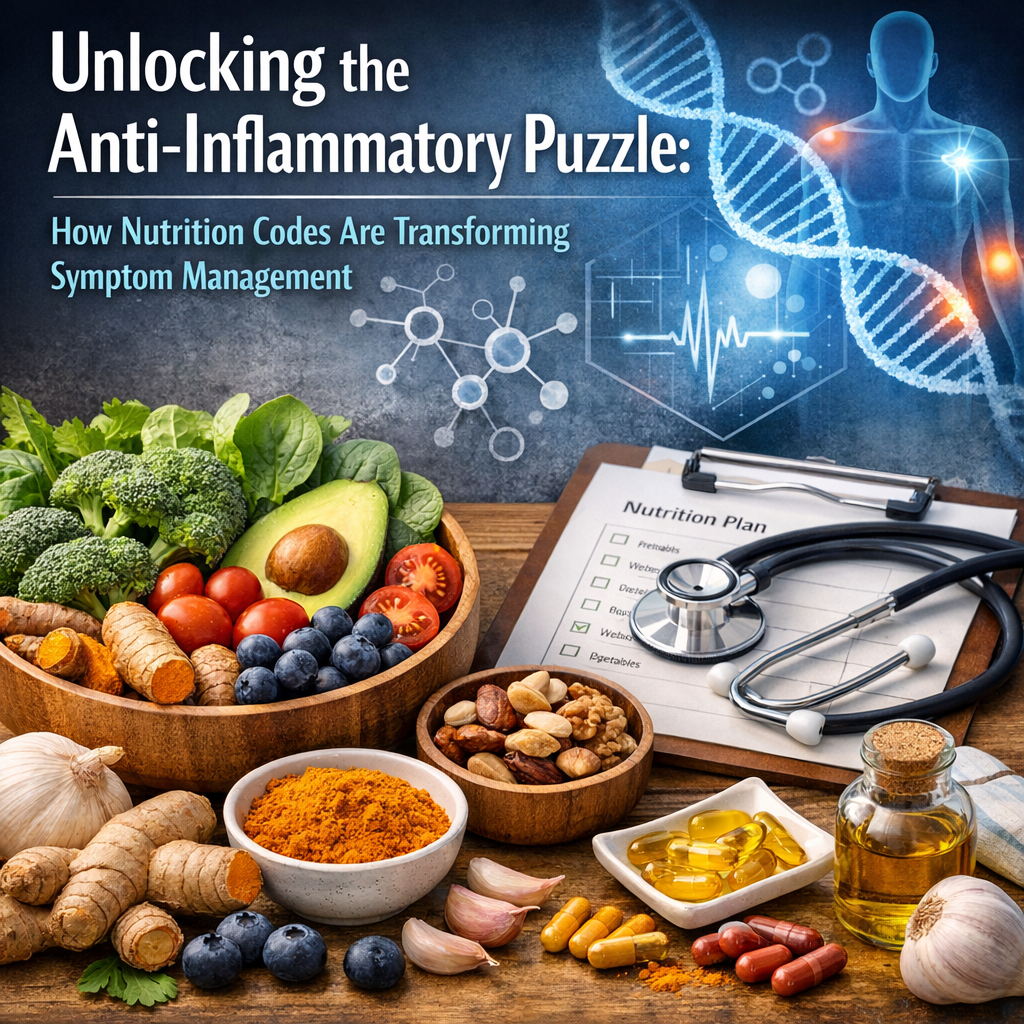
Unlocking the Anti-Inflammatory Puzzle: How Nutrition Codes Are Transforming Symptom Management
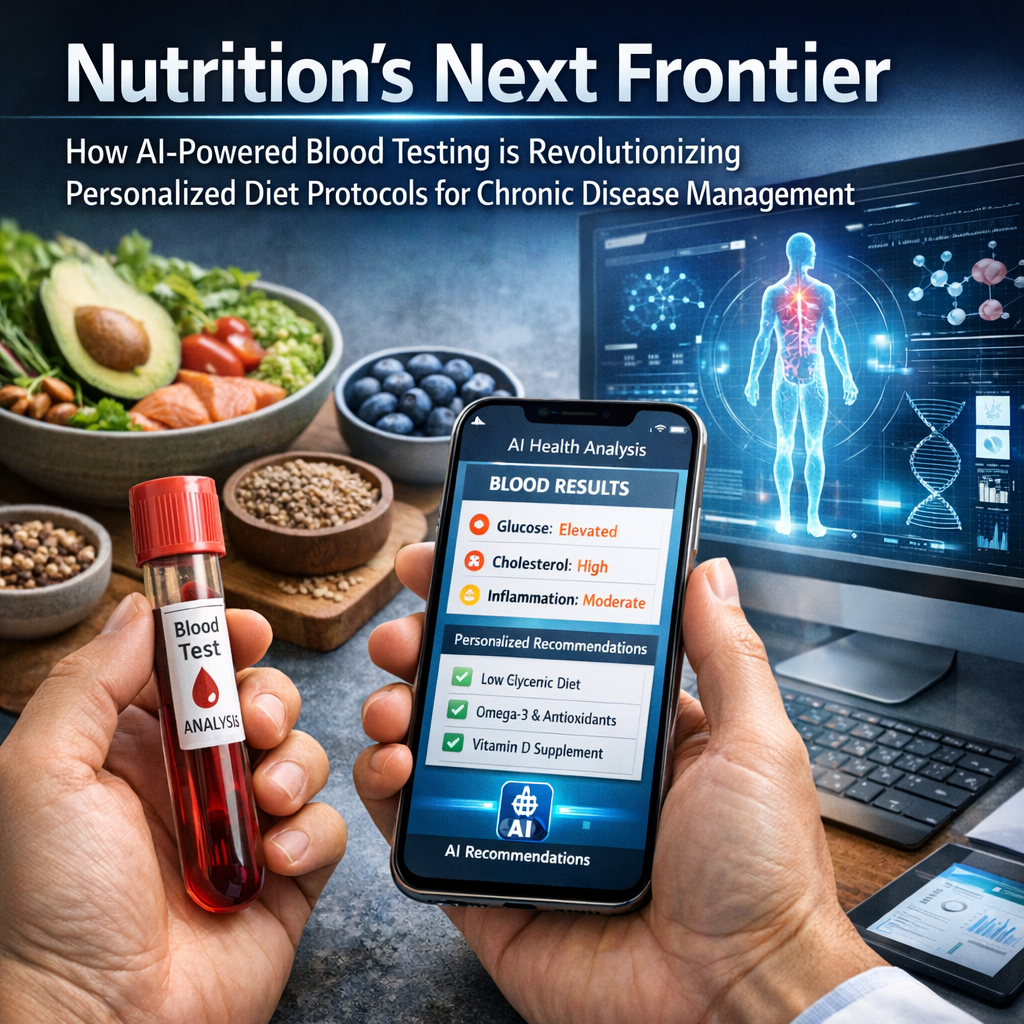
In recent years, the conversation around wellness has significantly evolved, with an increasing emphasis on understanding the role of inflammation in chronic diseases. Today, we’re not just looking to treat symptoms; we’re striving to understand and manage underlying causes. One of the groundbreaking frontiers in this journey has been the exploration of nutrition codes—an evolving science that explores how specific dietary components can mitigate inflammation and thus transform symptom management.
Inflammation is the body’s natural defense mechanism, activated in response to harm. However, when inflammation becomes chronic, it can potentially lead to a multitude of health issues including arthritis, heart disease, diabetes, and even cancer. Hence, managing inflammation is not only about alleviating pain but also about preventing longer-term health complications. Traditional medications, like NSAIDs and corticosteroids, often come with side effects, driving people towards natural cures and dietary adjustments.
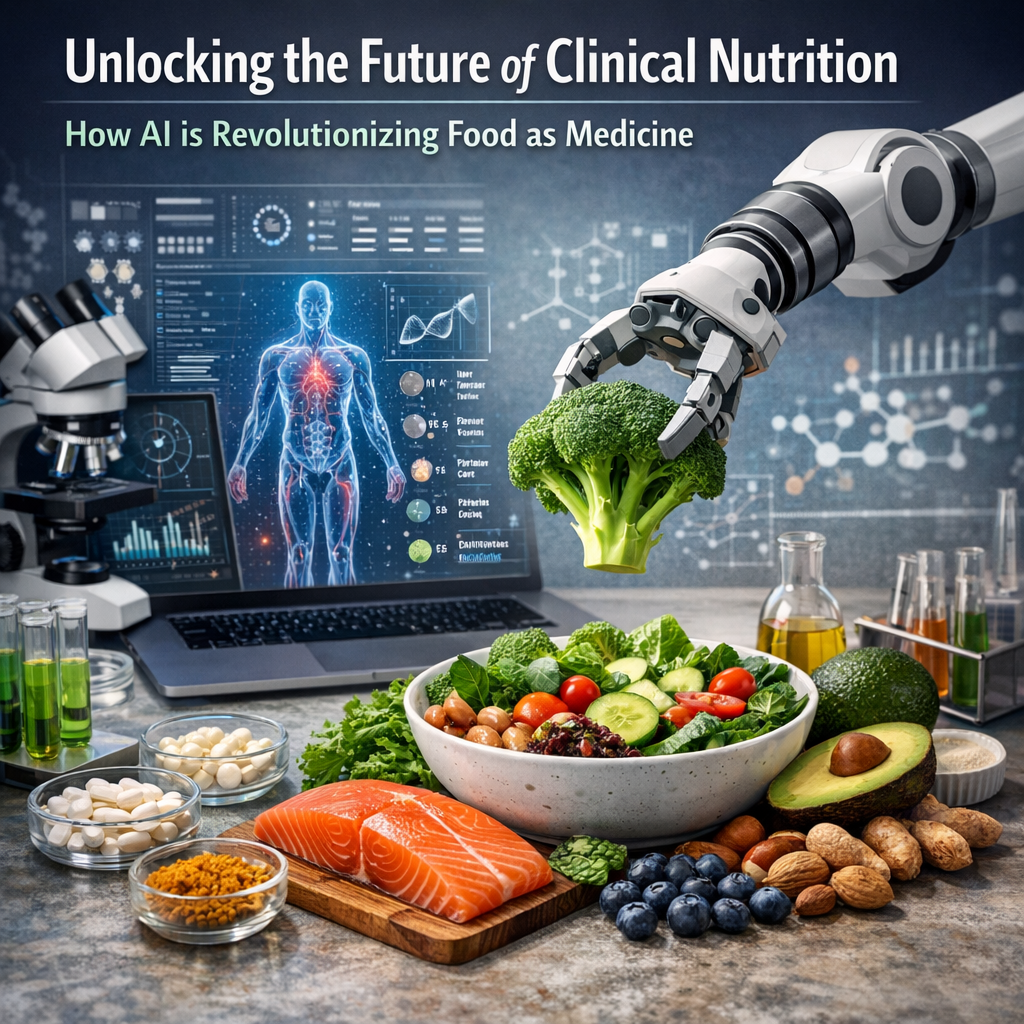
Diving deeper into anti-inflammatory diets, one finds that the foods we consume play a vital role in either exacerbating or alleviating inflammation. Modern science delves into the unique nutrition codes of various foods, which can unlock benefits beyond basic sustenance. The principles of an anti-inflammatory diet are steeped in the consumption of whole, minimally processed foods, such as fruits, vegetables, whole grains, lean proteins, and healthy fats. These components are rich in antioxidants and essential nutrients which nourish the body while combating inflammation on a cellular level.
The benefits of such a diet are not just preventive but also therapeutic. Many individuals report enhanced energy levels, improved mood, and reduced pain intensity following dietary changes geared toward anti-inflammation. Integrating these nutritional codes into daily meals isn’t just a dietary shift; it’s a lifestyle transformation—one that empowers individuals to take charge of their health.
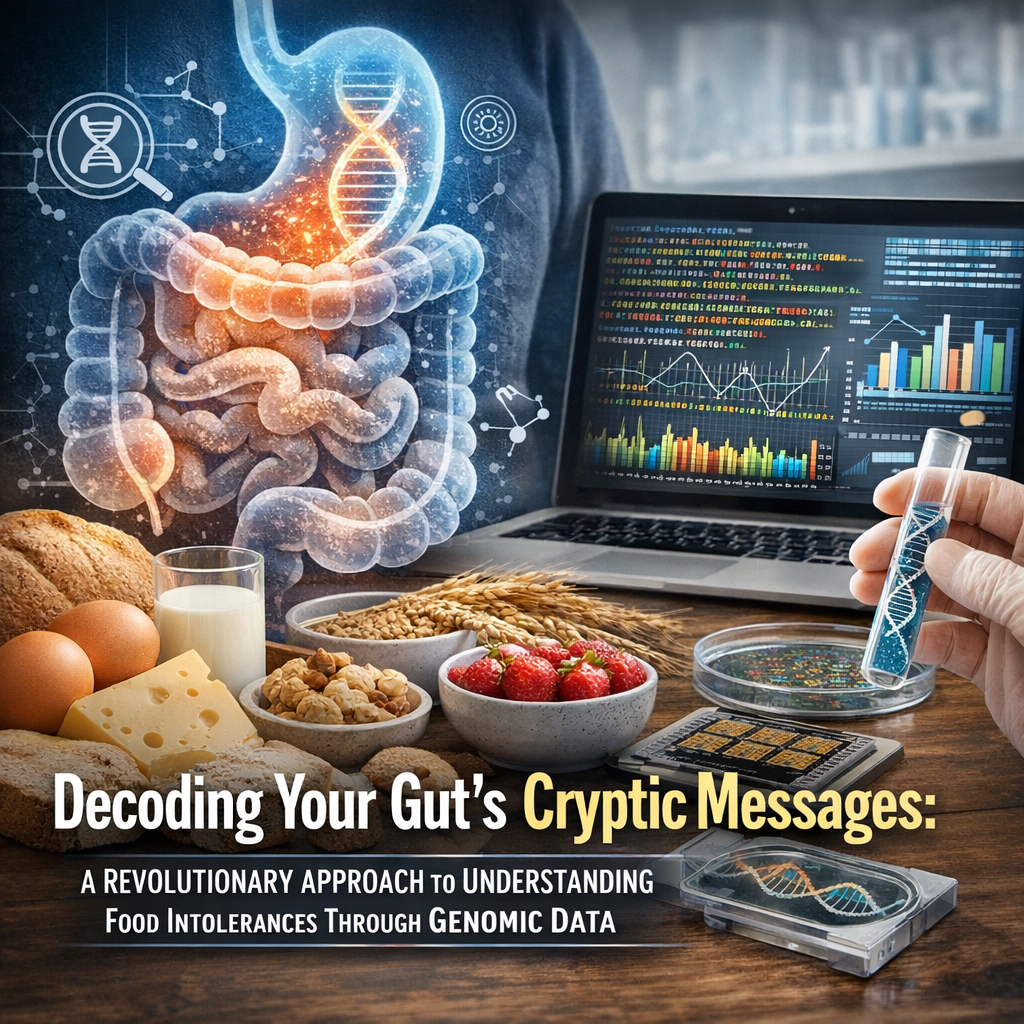
As we continue to unlock the secrets within food, it’s essential to understand that each person’s journey with inflammation management is unique. Personalized nutrition plans that account for individual dietary needs, genetic predispositions, and lifestyle choices are crucial. Without a doubt, the future of symptom management is moving towards an era where what you eat is as important as the medication prescribed.
Features
Multiple studies and professional opinions increasingly support the concept that nutrition can effectively manage inflammatory symptoms. A key study published in the Journal of Nutrition analyzed the impact of a Mediterranean diet, well-regarded for its anti-inflammatory properties. This diet is abundant in fruits, vegetables, nuts, fish, and olive oil. Researchers found that participants on this diet showed significant reductions in inflammatory markers such as C-reactive protein (CRP) and interleukin-6 (IL-6).
In another significant study, the consumption of omega-3 fatty acids, commonly found in fish oils and flaxseeds, exhibited remarkable results. A reduction in inflammation due to these fatty acids was documented, leading to decreased symptoms in patients with rheumatoid arthritis. This research was highlighted in the British Journal of Nutrition, shedding light on the therapeutic potential of nutrition.
Turmeric, a commonly used spice, has particularly been under the lens for its anti-inflammatory properties attributed to curcumin, its active ingredient. The Journal of Alternative and Complementary Medicine reported that curcumin supplementation could potentially reduce inflammation more effectively than some pharmaceutical agents, without the accompanying side effects.
Moreover, a PLOS ONE study emphasizes that flavonoids—compounds found in a variety of fruits and vegetables—can modulate inflammatory pathways in chronic diseases. Individuals consuming diets high in flavonoid-rich foods, such as berries and dark chocolate, exhibited noticeably lower prevalence of inflammatory stress.
These studies collectively underscore the transformative potential of dietary interventions in managing inflammation. By incorporating a targeted approach towards nutrition, individuals can experience not only symptomatic relief but also a profound enhancement in overall health and wellbeing.
Conclusion
The science of nutrition codes opens a promising frontier in the battle against chronic inflammation. As our understanding expands, we’re steadily moving away from the conventional symptom-treating methods towards root-cause-oriented solutions. Personalizing nutrition plans that are rich in anti-inflammatory foods have shown potential not just for symptom management but also for disease prevention and improved quality of life.
While it can be challenging to overhaul one’s dietary habits, the rewards of combating inflammation through nutrition are evident and increasingly supported by the scientific community. The emphasis is shifting towards self-empowered health management, where individuals take charge through informed dietary choices. This approach offers a multifaceted benefit—reducing reliance on medications, decreasing side effects, and augmenting life quality and longevity.
Continued research and dialogue among nutritional scientists, healthcare providers, and patients are vital for further unlocking these nutrition codes. This collaborative effort holds the promise of revolutionizing how we understand and manage our health, one meal at a time.
Concise Summary
This article explores the evolving science of nutrition codes in managing inflammation, which plays a role in chronic diseases like arthritis and heart disease. Emphasizing a shift towards anti-inflammatory diets, it highlights how foods rich in antioxidants and omega-3 fatty acids can alleviate symptoms and improve overall health. Studies underline the effectiveness of diets such as the Mediterranean diet and components like curcumin and flavonoids. By understanding these nutrition codes, personalized plans can reduce reliance on medications, decrease side effects, and promote better quality of life.

Dominic E. is a passionate filmmaker navigating the exciting intersection of art and science. By day, he delves into the complexities of the human body as a full-time medical writer, meticulously translating intricate medical concepts into accessible and engaging narratives. By night, he explores the boundless realm of cinematic storytelling, crafting narratives that evoke emotion and challenge perspectives.
Film Student and Full-time Medical Writer for ContentVendor.com