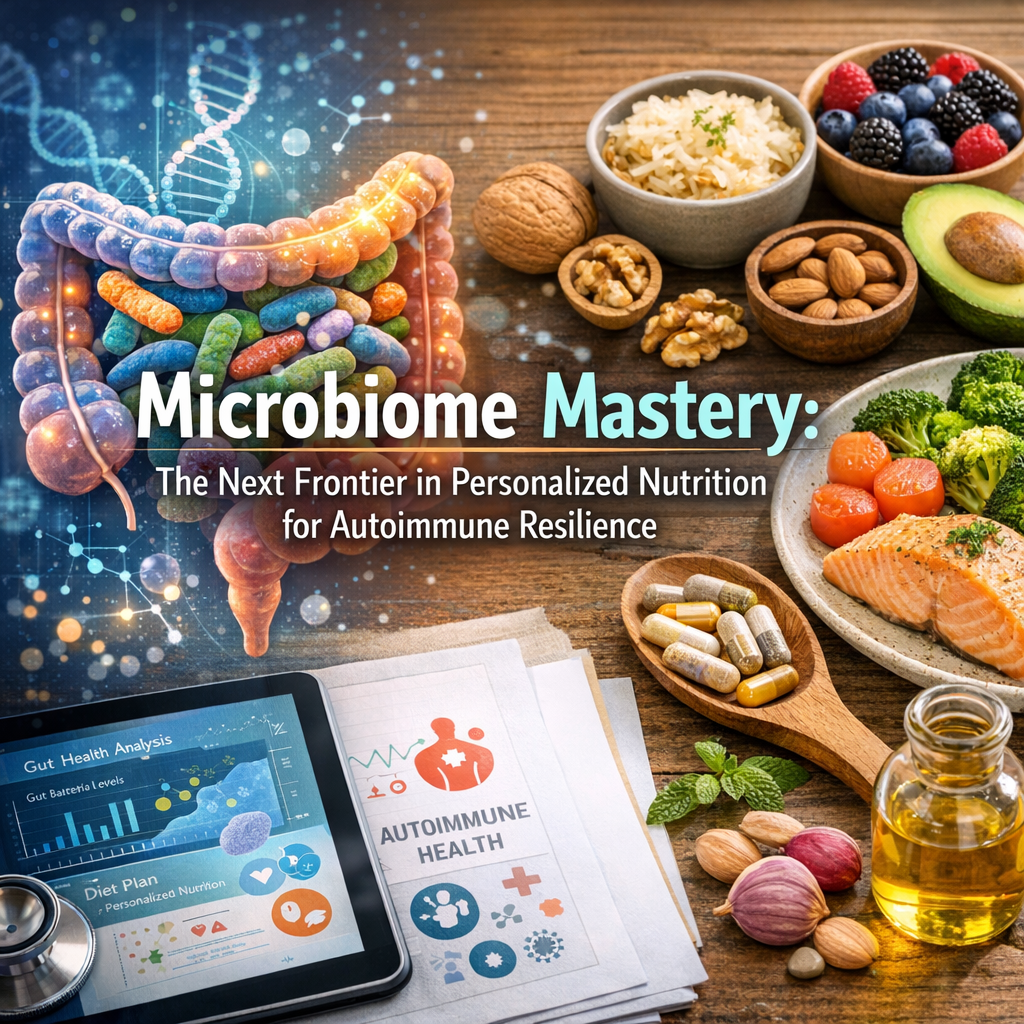
Microbiome Mastery: The Next Frontier in Personalized Nutrition for Autoimmune Resilience
In recent years, the spotlight on the human microbiome has intensified, especially in discussions about personalized nutrition and its impact on autoimmune resilience. Our microbiome, the vast collection of microbes residing in our intestines, plays a crucial role in our overall health. These trillions of microorganisms are not just passive passengers; they actively contribute to essential functions such as digestion, nutrient absorption, and immune modulation. Emerging research suggests that a well-balanced microbiome may be the key to enhanced resilience against autoimmune diseases.
Autoimmune diseases affect millions worldwide, with disorders like rheumatoid arthritis, lupus, and multiple sclerosis often causing chronic pain and fatigue. These conditions arise when the immune system mistakenly targets the body’s own cells. Traditional treatments, mostly involving immunosuppressants, often bring a host of side-effects and don’t offer a cure. This is where microbiome-centered personalized nutrition steps in.
The concept of using diet to alter the gut microbiome and, subsequently, improve autoimmune health isn’t new. However, advancements in gene sequencing and bioinformatics have revolutionized how we understand these complex interactions. Personalized nutrition now offers a promising way to craft dietary plans based on an individual’s unique microbial composition. Such targeted interventions can potentially boost beneficial gut flora, regulate inflammatory responses, and fortify the immune system.
This evolving area of study is unlocking novel paths for managing autoimmune conditions. Tailoring nutritional strategies based on microbiome analysis allows individuals to regain control over their health, reducing autoimmune flare-ups and improving quality of life. With growing interest from both the scientific community and health-conscious consumers, microbiome mastery marks the next frontier in nutrition and medicine, offering a promising way forward in health management.
Features
A plethora of scientific studies lend credence to the transformative potential of microbiome-driven personalized nutrition. One groundbreaking study published in [Nature](https://www.nature.com/articles/nature14202) demonstrated that a personalized diet based on microbiome composition could significantly alter blood glucose responses, a critical marker for metabolic and autoimmune health (Zeevi et al., 2015). The research showed that even identical foods triggered different blood sugar responses in different individuals, underscoring the necessity for tailor-made dietary regimens.
Another pivotal study from [Cell](https://www.cell.com/cell/fulltext/S0092-8674(10)01378-3) revealed that certain microbiota species could either exacerbate or alleviate autoimmune symptoms depending on their abundance and activity (Atarashi et al., 2011). This indicates that a targeted increase or decrease in specific bacterial populations could potentially rein in autoimmune reactions. By utilizing sophisticated microbiome analysis, researchers can now identify protective vs. detrimental bacterial strains, paving the way for interventions that favor the former.
The pioneering work of Dr. Alessio Fasano highlights the gut’s crucial role in celiac disease, an autoimmune disorder. His research reveals that a leaky gut—often a result of dysbiosis—acts as a catalyst for autoimmune activation ([Fasano, 2012](https://link.springer.com/article/10.1007/s12016-011-8291-x)). With these insights, interventions that restore gut barrier integrity through specific probiotics and prebiotics are gaining traction.
These findings have sparked a surge of interest in crafting microbiome-based diets tailored to individual needs. Genomic and metabolomic technologies enable an unprecedented level of personalization, where alterations in the microbiome can herald improved immune function. As our understanding deepens, the implications for treating autoimmune diseases are vast, with personalized nutrition poised to complement existing therapies and, in some cases, offer standalone solutions.
Conclusion
The burgeoning field of microbiome mastery presents an exhilarating opportunity for individuals battling autoimmune disorders. By adopting personalized nutritional interventions that cater to one’s unique microbiome, there lies potential not only for symptom management but also for overall health improvement and enhanced quality of life. While the science supporting these strategies is still evolving, the trajectory suggests a future where dietary prescriptions are as precise and individualized as our microbes themselves.
Embracing microbiome-centered personalized nutrition is more than a trend; it is a progressive step toward sustainable autoimmune health management. As research continues to unfold, so will the possibilities for harnessing our microbiota in maintaining and restoring health. For those eager to explore this frontier, consulting with healthcare professionals specializing in this field could open doors to innovative, effective strategies tailored just for them.
Concise Summary
The human microbiome plays a significant role in personalizing nutrition to enhance autoimmune resilience. Advances in gene sequencing and bioinformatics allow crafting of diets that improve gut health and manage autoimmune diseases like rheumatoid arthritis and lupus. Studies highlight that personalized nutrition can impact blood glucose levels and modify autoimmune reactions. Moreover, the role of maintaining gut barrier integrity through specific probiotics is pivotal in reducing symptoms of diseases like celiac disease. As understanding deepens, the potential for personalized diets to offer tailored solutions for autoimmune health is considerable, paving the way for improved quality of life.

Dominic E. is a passionate filmmaker navigating the exciting intersection of art and science. By day, he delves into the complexities of the human body as a full-time medical writer, meticulously translating intricate medical concepts into accessible and engaging narratives. By night, he explores the boundless realm of cinematic storytelling, crafting narratives that evoke emotion and challenge perspectives.
Film Student and Full-time Medical Writer for ContentVendor.com